
Every thunderstorm you have ever watched from a window is only showing you half the story. Above the cloud tops, invisible from the ground, bursts of light are erupting into the upper atmosphere — flashes that last just milliseconds and can reach altitudes that dwarf anything a commercial plane will ever fly through. Most people have never heard of them. Scientists have a name for them: transient luminous events, or TLEs.
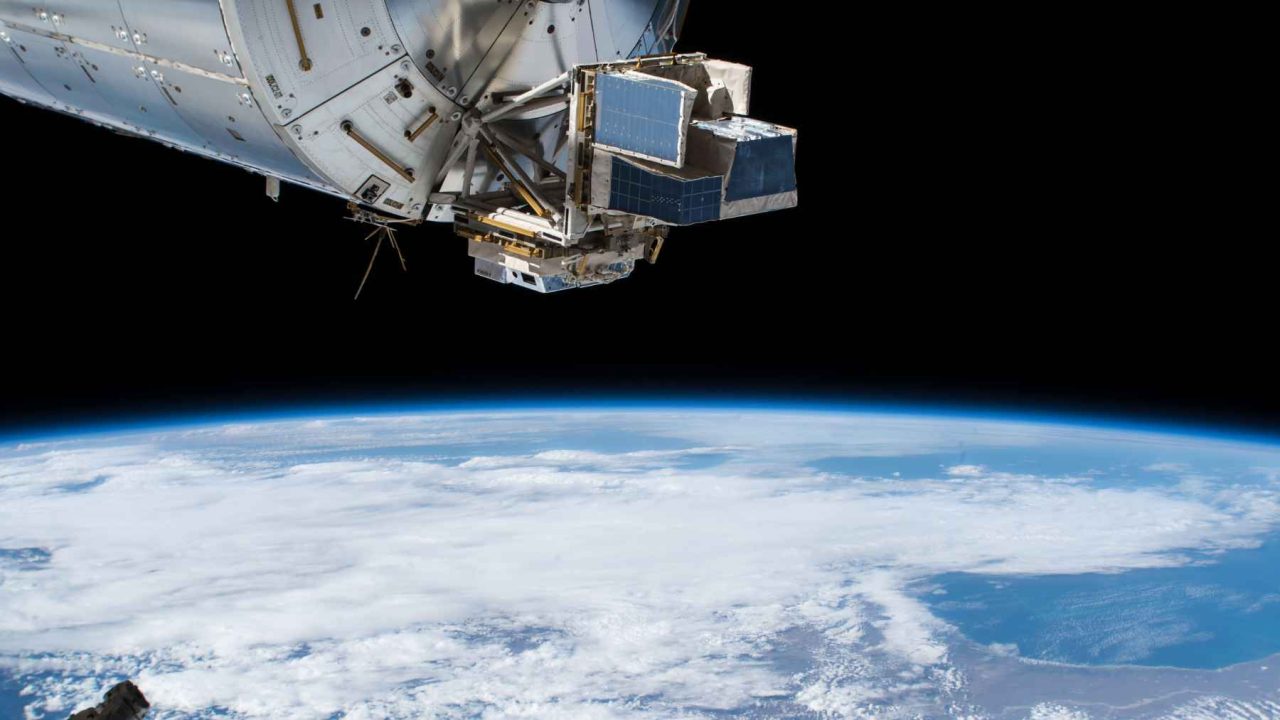
NASA and its research partners are now using instruments aboard the International Space Station, orbiting roughly 249 miles (400 kilometers) above Earth, to study these phenomena in ways that were simply impossible from the ground. What they are learning could reshape how meteorologists model extreme weather and how engineers protect aircraft and spacecraft from risks most passengers never knew existed.
This is not a niche corner of atmospheric science. The more researchers learn about what happens above a thunderstorm, the clearer it becomes that the sky has layers of activity we have barely begun to understand.
What Are Blue Jets, Sprites, and ELVES — And Why Should You Care?
The umbrella term “transient luminous events” covers several distinct phenomena, each occurring at different altitudes and with different visual signatures. They share one key trait: they are extraordinarily brief, often lasting only milliseconds, which makes them nearly impossible to observe from Earth’s surface where clouds and distance block the view.
The most widely recognized of these events are sprites — faint reddish flashes that appear roughly 50 miles (80 kilometers) above thunderstorms. Reports of strange lights hovering above storms have existed for a long time, but the first credible footage of sprites was only captured relatively recently, underscoring just how young this field of research actually is.
Then there are blue jets, which shoot upward from storm cloud tops in a vivid electric blue. And ELVES — a fitting acronym for events that are even more fleeting — which are expanding rings of light that can spread across enormous swaths of the upper atmosphere in a fraction of a second.
What connects all three is their relationship to thunderstorm activity below. They are not random. They are a direct consequence of what is happening inside the storm, which is exactly why scientists believe studying them carefully could tell us something important about the storms themselves.
Why the Space Station Changes Everything About This Research
Observing TLEs from the ground is a bit like trying to watch fireworks through a thick curtain. The cloud systems that generate these events are the same ones that block the view from below. Researchers on the ground have managed to capture footage over the decades, but the data has always been incomplete.
The ISS changes that geometry entirely. From 400 kilometers up, instruments have an unobstructed, top-down view of storm systems. Researchers can watch TLEs unfold above cloud tops in real time, collecting data on their frequency, intensity, and relationship to the storm activity happening beneath them.
NASA notes that these upper-atmosphere bursts are not just scientifically interesting — they can disrupt communications and pose real risks for both aircraft and spacecraft. That practical concern is part of what is driving investment in this research. Better data means better models, and better models mean better warnings.
A Quick Look at the Three Main Types of Transient Luminous Events
| Event Type | Approximate Altitude | Visual Appearance | Key Characteristic |
|---|---|---|---|
| Sprites | ~50 miles (80 km) above storms | Faint reddish flashes | Most documented TLE; first credible footage captured relatively recently |
| Blue Jets | Above storm cloud tops | Vivid blue upward streaks | Shoot upward directly from the tops of thunderclouds |
| ELVES | Upper atmosphere | Expanding rings of light | Extremely brief; spread across large areas in milliseconds |
The Real-World Stakes: Communications, Aircraft, and Weather Forecasting
It is easy to think of this as purely academic research — beautiful light shows in the upper atmosphere that have no bearing on daily life. That framing undersells what is actually at stake.
Researchers have identified that TLEs can interfere with communications systems. For aviation, the upper atmosphere is not empty airspace — it is a zone that high-altitude aircraft and spacecraft pass through, and understanding the electrical activity in that zone has direct safety implications.
Beyond those immediate concerns, the deeper ambition here is weather prediction. If TLEs are linked to the behavior of the thunderstorms below them, then tracking these events from orbit could give forecasters a new set of signals to work with. The ISS instruments are feeding data into weather and climate models, which researchers say could meaningfully improve how extreme weather events are anticipated and tracked.
For anyone who lives in a region prone to severe storms — which, depending on the season, is most of the planet — that is not an abstract benefit. More accurate extreme weather prediction translates directly into earlier warnings and better preparedness.
What Comes Next for This Research
The ISS remains the primary platform for this work, offering a stable, long-duration observation post that no ground-based telescope or weather satellite can replicate for this specific purpose. As data continues to accumulate from the station’s instruments, researchers expect the picture of how TLEs relate to storm intensity and behavior to become clearer.
The goal is not just to catalog these events but to integrate what is learned into the forecasting tools that meteorologists and climate scientists rely on every day. The ISS is, in that sense, functioning as a kind of atmospheric laboratory — one that happens to be orbiting 249 miles above the planet’s most violent storms.
Whether the next breakthrough comes from a single dramatic observation or from the slow accumulation of thousands of data points, the research is already shifting how scientists think about the boundary between weather and space. That boundary, it turns out, is far more active than anyone standing under a thunderstorm could ever guess.
Frequently Asked Questions
What are transient luminous events (TLEs)?
TLEs are brief flashes of light that occur above thunderstorms in the upper atmosphere. They include sprites, blue jets, and ELVES, and typically last only milliseconds.
How high above Earth do sprites appear?
Sprites appear approximately 50 miles (80 kilometers) above thunderstorms, making them impossible to see from the ground through storm clouds.
Why is the International Space Station used to study these events?
The ISS orbits about 249 miles (400 kilometers) above Earth, giving instruments an unobstructed top-down view of storm systems that ground-based observers cannot achieve through cloud cover.
Can these atmospheric events cause real harm?
According to NASA and its research partners, TLEs can disrupt communications and pose risks to both aircraft and spacecraft operating in or near the upper atmosphere.
How could this research improve weather forecasting?
Researchers believe that because TLEs are linked to storm activity below them, tracking these events from orbit could provide new signals to improve extreme weather prediction models.
When was the first credible footage of sprites captured?
A specific date has not been confirmed in the available source material.




Leave a Reply