
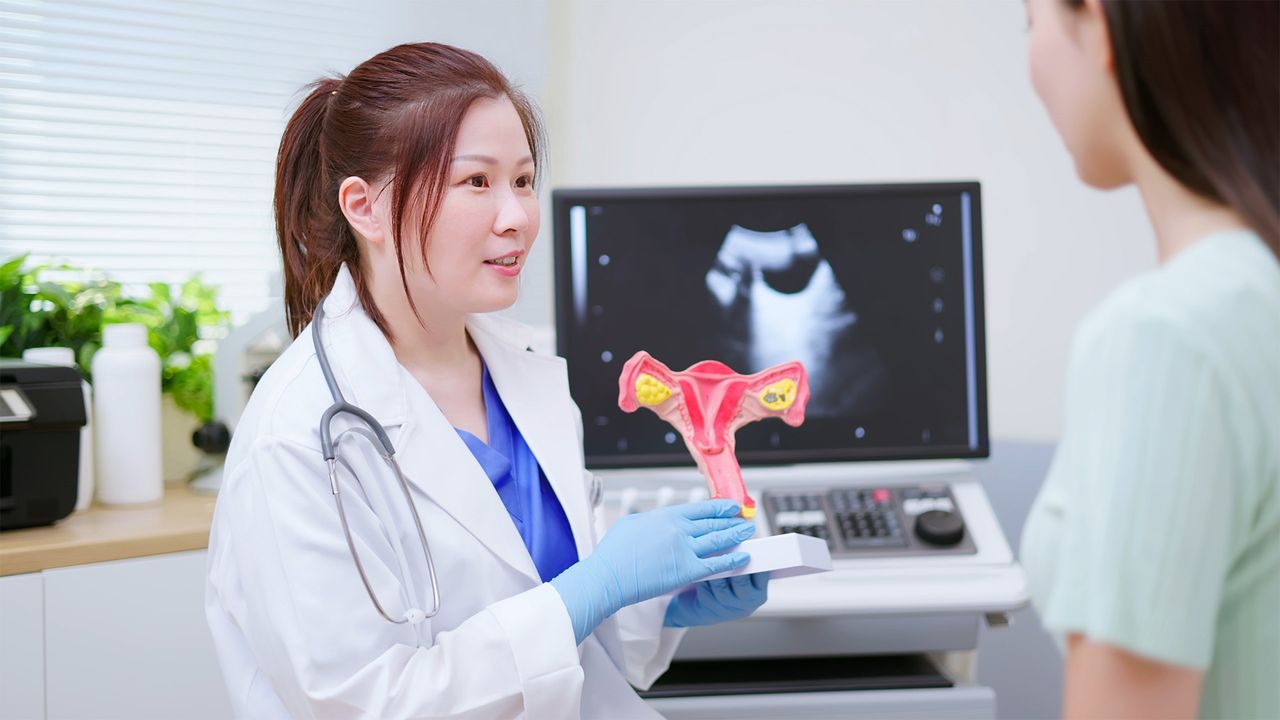
About 1 in 8 women worldwide live with a condition that has, until now, been named after something it doesn’t actually cause. That changes with a major rebrand announced last week — and for millions of people managing this disorder every day, the new name carries real meaning.
Polycystic ovary syndrome — long known as PCOS — will now be called polyendocrine metabolic ovarian syndrome, or PMOS. The shift isn’t just cosmetic. Experts say the old name was medically misleading in ways that affected how the condition was understood, discussed, and even treated.
If you’ve been diagnosed with PCOS, know someone who has, or have spent years wondering whether your symptoms fit the description, here’s what the name change means — and why it matters more than it might first appear.
Why “Polycystic Ovary Syndrome” Was Always the Wrong Name
The original name pointed directly at the ovaries and, more specifically, at cysts. The implication was clear: people with this condition have ovaries covered in many pathological cysts. That image became part of how the public understood the syndrome — and part of how patients understood their own bodies.

The problem is that it isn’t accurate. Studies have found that people with PMOS are not more likely to have pathological ovarian cysts than people who don’t have the disorder at all.
What’s actually happening in the ovaries is something different. People with PMOS often have underdeveloped eggs — called “arrested follicles” — that accumulate in the ovaries as a result of the hormonal disruptions associated with the condition. These are not the same as pathological cysts, and treating them as equivalent has muddied the picture of what this syndrome really is for decades.
What the New Name — PMOS — Actually Tells Us
The new name, polyendocrine metabolic ovarian syndrome, shifts the focus away from a misleading structural description and toward what is actually driving the condition: hormonal and metabolic disruption.
Experts say this framing better reflects the true nature of the syndrome. Rather than centering the ovaries as the primary site of pathology, PMOS acknowledges that the hormonal disruptions involved affect systems across the entire body — not just the reproductive system.
Those disruptions, according to the source reporting, can drive a wide range of effects, including:
- Insulin resistance — a metabolic issue that affects how the body processes blood sugar
- Weight gain — linked to the metabolic changes the condition causes
- Effects on the reproductive system, including the hormonal imbalances that lead to irregular ovulation
- Impacts on the skin — such as acne and excess hair growth, which are commonly reported symptoms
- Effects on mental health, which research has increasingly connected to the condition
In short, PMOS is a whole-body condition. The new name tries to say that out loud.
Old Name vs. New Name: What Actually Changed
| Feature | PCOS (Old Name) | PMOS (New Name) |
|---|---|---|
| Full name | Polycystic ovary syndrome | Polyendocrine metabolic ovarian syndrome |
| Central focus | Ovarian cysts | Hormonal and metabolic disruption |
| Accuracy of cyst description | Misleading — cysts not a defining feature | Removes cyst reference entirely |
| Reflects metabolic effects | No | Yes — “metabolic” is part of the name |
| Reflects multi-system impact | No | Yes — “polyendocrine” signals broader hormonal scope |
| Estimated people affected | Approximately 1 in 8 women worldwide | |
Why This Matters for People Living With the Condition
Names shape understanding — and misunderstanding. When a condition is named after something it doesn’t reliably cause, it creates confusion at every level: for patients trying to understand their diagnosis, for families trying to be supportive, and potentially even for clinicians navigating treatment conversations.
For years, people diagnosed with PCOS were told they had “cysts on their ovaries” — a description that could be alarming and was, in many cases, not technically correct. The accumulation of arrested follicles is a distinct phenomenon, one tied to the hormonal disruptions at the heart of the syndrome rather than to cyst formation in the traditional sense.
By renaming the condition PMOS, experts are signaling that the hormonal and metabolic dimensions of the syndrome deserve to be front and center. That includes the insulin resistance that many patients struggle with, the weight-related challenges that often follow, and the mental health impacts that have historically been underacknowledged.
For someone newly diagnosed, hearing that they have a polyendocrine metabolic condition — rather than a condition defined by ovarian cysts — could meaningfully change how they approach treatment, lifestyle changes, and conversations with their doctors.
What Happens From Here
The rebrand was announced last week, which means the transition from PCOS to PMOS is still very much in its early stages. Medical terminology takes time to filter through clinical practice, patient communities, insurance documentation, and public health messaging.
Most people searching for information about their symptoms will still encounter the old acronym for some time. Awareness campaigns, updated clinical guidelines, and changes to how the condition is labeled in medical records will all need to follow before PMOS becomes the default term in everyday use.
What is clear is that the scientific community has reached a consensus that the old name was doing real harm — not by being dangerous, but by being wrong. And in medicine, getting the name right is often the first step toward getting the treatment right.
Frequently Asked Questions
What does PMOS stand for?
PMOS stands for polyendocrine metabolic ovarian syndrome. It is the new official name for the condition previously known as PCOS, or polycystic ovary syndrome.
Why was the name changed from PCOS to PMOS?
The old name was considered medically inaccurate because it implied that pathological ovarian cysts are a central feature of the condition — but studies have found that people with the disorder are not more likely to have such cysts than those without it.
Do people with PMOS actually have cysts on their ovaries?
Not in the way the old name suggested. People with PMOS often have underdeveloped eggs called “arrested follicles” that accumulate in the ovaries due to hormonal disruptions — these are distinct from pathological cysts.
How common is PMOS?
The condition affects approximately 1 in 8 women worldwide, making it one of the most common hormonal disorders affecting people with ovaries.
What systems in the body does PMOS affect?
Beyond the reproductive system, PMOS can affect metabolic processes — driving insulin resistance and weight gain — as well as the skin and mental health.
Will doctors and medical records automatically switch to using PMOS?
The transition will take time. Medical terminology changes gradually across clinical practice, documentation, and public health messaging, so the old acronym PCOS will likely remain in wide use for some period as the rebrand takes hold.




Leave a Reply