
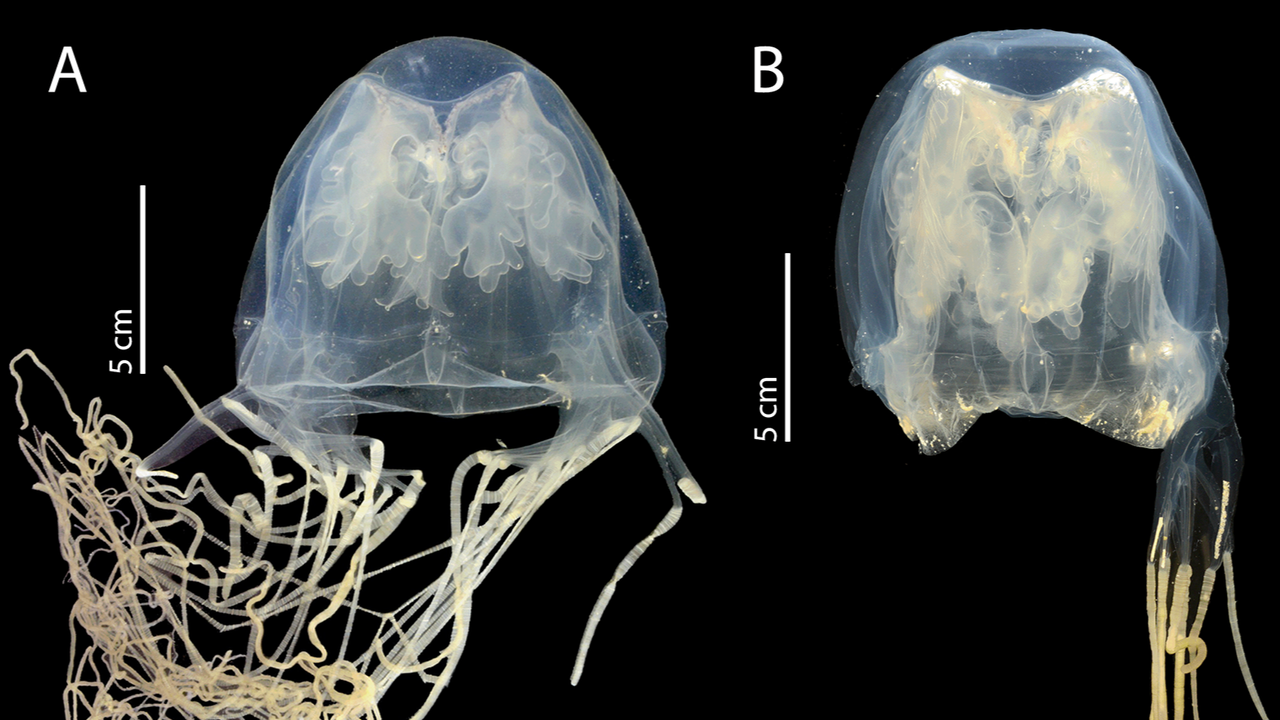
A jellyfish capable of killing a human being was hiding in plain sight near one of Southeast Asia’s most visited tourist destinations — and scientists only just realized it was an entirely new species.
Researchers have officially described Chironex blakangmati, a newly identified species of box jellyfish discovered in the waters off Singapore. Specimens were collected near Sentosa Island in 2020 and 2021, but for years, scientists had been misidentifying these animals as a different, already-known species. New genetic and physical analysis confirmed the truth: this is something science had never formally catalogued before.
The name chosen for this creature says everything about what it is. Scientists named it after the island’s original Malay name — Pulau Blakang Mati — which translates, unsettlingly, to “Island of Death Behind.” The island was renamed Sentosa, meaning “peace and tranquility,” back in 1972. Researchers clearly felt the old name was more appropriate for a venomous, potentially lethal animal.
What Makes This Box Jellyfish So Dangerous
Box jellyfish are not like the jellyfish most people picture drifting lazily through the ocean. These animals are active hunters. They have strong musculature and complex eyes that allow them to actively identify prey and swim directly toward it — rather than simply floating wherever the current takes them.
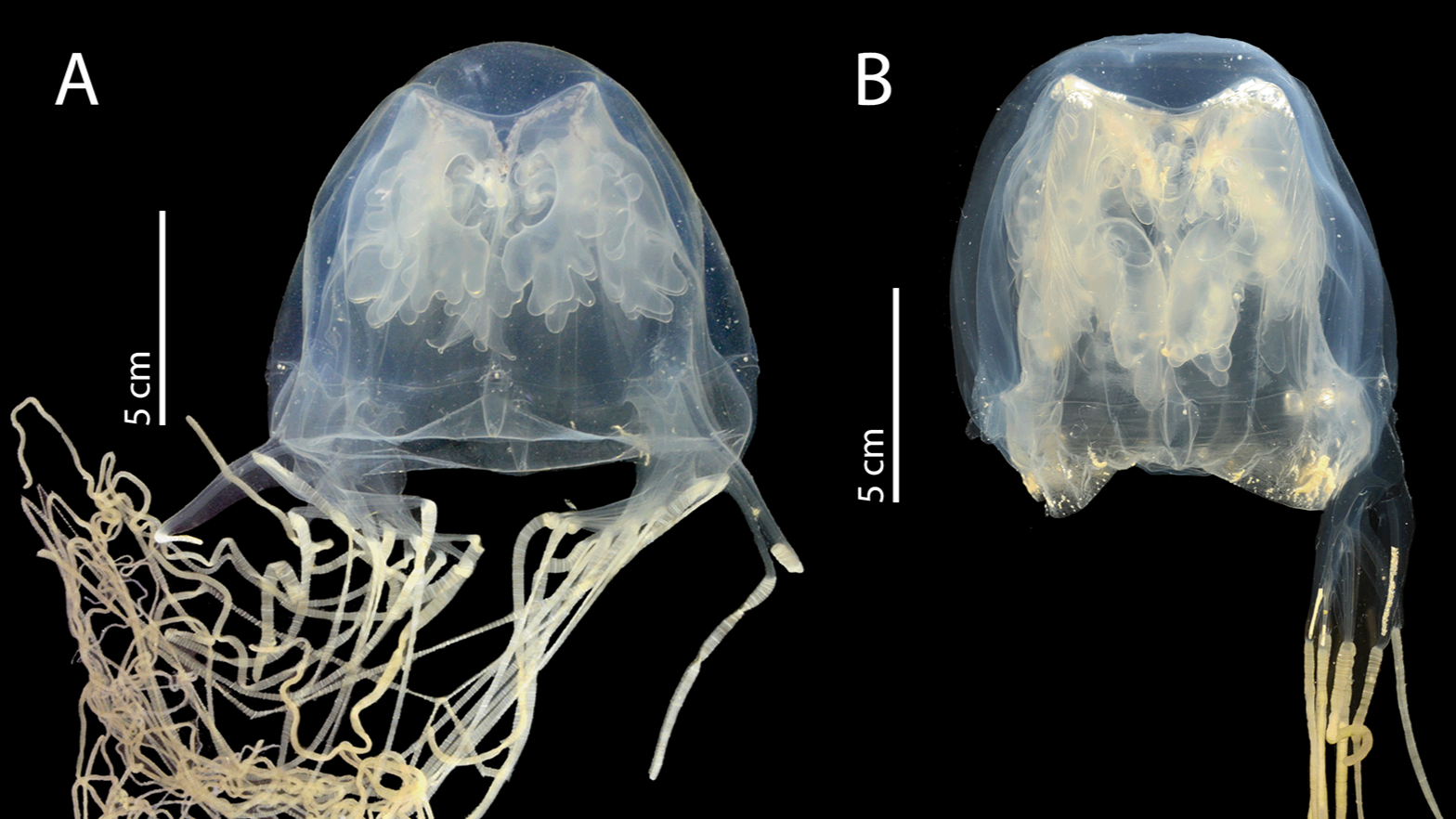
Their venom is delivered through specialized cells on their tentacles called nematocysts. In the case of Chironex box jellyfish, that venom is powerful enough to kill humans. This isn’t a creature that causes a painful sting and a trip to the pharmacy. A serious encounter with one of these animals can be fatal.
C. blakangmati belongs to the genus Chironex, which scientists now recognize as containing four known species. All four are considered incredibly venomous. The most well-known member of this group, Chironex fleckeri, is widely regarded as one of the most venomous marine animals on the planet. The newly described Singapore species is part of that same dangerous family.
How Scientists Knew This Was a New Species
For years, the box jellyfish found near Singapore’s waters were assumed to be Chironex yamaguchii, a species already known to science. It took detailed comparison — both genetic analysis and morphological examination, meaning a close look at the physical structure of the animals — to establish that these were something different entirely.
The findings were published on May 15 in the journal Raffles Bulletin of Zoology. The study formally described C. blakangmati as a distinct species, separating it from C. yamaguchii on the basis of both its DNA and its physical characteristics.
This kind of misidentification is not unusual in marine biology. The ocean remains one of the least explored environments on Earth, and even animals that have been observed for decades can turn out, under closer scrutiny, to be entirely new to science.
Key Facts About Chironex blakangmati at a Glance
| Detail | Information |
|---|---|
| Species name | Chironex blakangmati |
| Named after | Pulau Blakang Mati (“Island of Death Behind”), the original Malay name for Sentosa Island |
| Specimens collected | 2020 and 2021, near Sentosa Island, Singapore |
| Previously mistaken for | Chironex yamaguchii |
| Genus | Chironex (4 known species, all highly venomous) |
| Venom delivery | Nematocysts (specialized cells on tentacles) |
| Danger level | Sting can be lethal to humans |
| Study published | May 15, Raffles Bulletin of Zoology |
- Unlike most jellyfish, Chironex box jellies actively hunt rather than drift passively
- They possess complex eyes capable of identifying prey
- Their strong musculature allows directed, purposeful swimming
- C. blakangmati is genetically and morphologically distinct from all previously known Chironex species
Why This Discovery Matters Beyond the Science Pages
Sentosa Island, where these specimens were found, is a major tourist and resort destination. It draws millions of visitors each year to its beaches, theme parks, and waterfront attractions. The presence of a previously unidentified, potentially lethal jellyfish species in those waters is not just an academic footnote.
Awareness matters when it comes to venomous marine life. Box jellyfish are notoriously difficult to see in the water — they are largely transparent and can be nearly invisible until it is too late. Swimmers and beachgoers in the region may have been sharing the water with this animal for years without knowing what it was, or that it represented a distinct and newly described threat.
The formal description of C. blakangmati also raises questions about what else might be lurking, misidentified, in the coastal waters of Southeast Asia. The region’s marine biodiversity is extraordinary and, in many areas, still poorly understood. New species — including dangerous ones — continue to emerge from systematic scientific study.
What Researchers Are Watching Now
With the species now formally described and named, researchers can begin building a clearer picture of its distribution, behavior, and venom profile. Understanding exactly how the venom of C. blakangmati compares to other Chironex species could have real implications for treatment protocols in the event of a sting.
The publication in Raffles Bulletin of Zoology marks the beginning of that process, not the end. Formal species description opens the door to more targeted research — including studies on where exactly this jellyfish lives, how far its range extends, and how frequently it comes into contact with humans in Singapore’s coastal waters.
For now, the animal has a name. And that name — drawn from a phrase meaning “Island of Death” — is a reminder that the ocean still holds surprises, and not all of them are benign.
Frequently Asked Questions
What is Chironex blakangmati?
It is a newly described species of box jellyfish discovered near Sentosa Island in Singapore, formally named in a study published May 15 in the Raffles Bulletin of Zoology.
Can this jellyfish kill a human?
Yes. C. blakangmati belongs to the Chironex genus, all four known species of which are considered incredibly venomous, with stings powerful enough to be lethal to humans.
Where was it found?
Specimens were collected near Sentosa Island, Singapore — formerly known as Pulau Blakang Mati — in 2020 and 2021.
Why was it only identified now?
Scientists had previously mistaken it for a different species, Chironex yamaguchii. Genetic and morphological analysis revealed it was a distinct species.
How is this jellyfish different from ordinary jellyfish?
Unlike most jellyfish that drift with currents, Chironex box jellies actively hunt using complex eyes and strong muscles, swimming directly toward prey.
How does this jellyfish deliver its venom?
It stings through specialized cells on its tentacles called nematocysts, which can inject venom powerful enough to cause fatal reactions in humans.




Leave a Reply