

Centuries before the printing presses of Europe churned out their first gazettes, readers in medieval China were already scanning printed news sheets for the latest on court politics, military campaigns, and government appointments. The world’s first newspaper culture, according to emerging historical research, wasn’t born in 17th-century Europe — it was born in Song Dynasty China, more than a thousand years ago.
That’s the argument at the center of research carried out by Yangming He of Zhejiang University, which traces the origins of two distinct forms of news publication that took shape in China during the eleventh century and flourished through the Southern Song Dynasty period from 1127 to 1279.
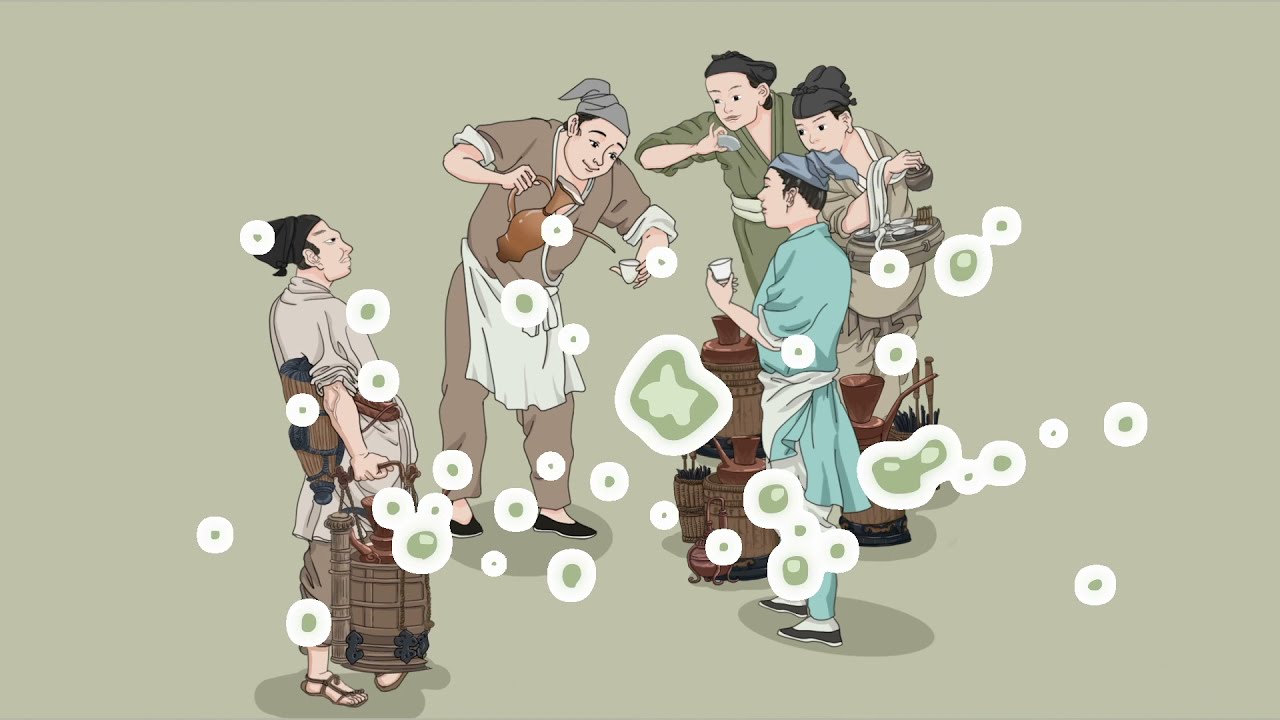
It’s a finding that challenges a deeply held assumption about where modern journalism began — and the evidence is surprisingly detailed.
How China’s First Newspapers Actually Worked
The story begins in the late tenth century, when the Northern Song Dynasty — which ruled from 960 to 1127 — established what can only be described as an early information department. Its purpose was to collect and distribute official news: new government policies, administrative appointments, decisions from the imperial court.
From this infrastructure came the chaobao, a term that translates directly as “court paper.” These were official bulletins, state-sanctioned and structured, designed to keep officials and literate citizens informed about the workings of government.
But alongside this official channel, something else was developing — something the authorities were far less comfortable with. Private publishers began producing their own news sheets, known as xiaobao. These were unofficial, often operating outside the law, and they covered the kind of material that official bulletins carefully avoided: court scandals, political intrigue, and stories the government would have preferred to suppress.
Both forms reached wide audiences hungry for information about what was happening across China. The appetite for news, it turns out, is not a modern invention.
Why the City of Hangzhou Changed Everything
When the Northern Song Dynasty fell and the Southern Song Dynasty established itself in Hangzhou in 1127, the conditions for a genuine newspaper culture came together in ways that hadn’t existed before.
Hangzhou experienced a rapid rise in population as it became the new imperial capital, creating a concentrated urban readership with both the means and the motivation to consume printed news. Historians who study this period argue that the city was positioned to become the world’s first true center for newspapers and journalism — not by accident, but because of the specific social, political, and economic forces converging there.
The Southern Song period saw both the chaobao and the xiaobao expand significantly. Official bulletins became more sophisticated. Private news sheets became more widespread — and more controversial. The tension between state-controlled information and independent publishing is, remarkably, as old as the newspaper itself.
The Two Types of Song Dynasty News Publications
| Publication Type | Chinese Name | Origin | Content | Legal Status |
|---|---|---|---|---|
| Official Bulletin | Chaobao (“court paper”) | Late 10th century, Northern Song Dynasty | Government policies, appointments, official announcements | State-sanctioned |
| Private News Sheet | Xiaobao | Emerged alongside chaobao, flourished under Southern Song | Court scandals, political affairs, unofficial news | Often illegal |
What makes this history so striking is how familiar it sounds. Official channels publishing approved information. Independent publishers pushing against those limits, sometimes breaking the law to do it. An urban public eager to read both. The dynamics of the media landscape haven’t changed as much as we might think.
What This Means for the History of Journalism
The conventional history of newspapers typically centers on Europe, with the early 17th century often cited as the starting point for regular printed news publications. That framing has always been somewhat Eurocentric, and research like Yangming He’s work at Zhejiang University provides a significant counterweight.
If the chaobao and xiaobao of Song Dynasty China qualify as newspapers — and historians are increasingly willing to argue they do — then the timeline for journalism’s origins moves back by several centuries, and its birthplace shifts from Europe to East Asia.
The key elements are all present: regular publication, a defined readership, coverage of political and public affairs, and a distinction between state-controlled and independent voices. These aren’t proto-newspapers or precursors. By many reasonable definitions, they are newspapers.
- The Northern Song Dynasty created its information infrastructure in the late tenth century
- The chaobao emerged as the first official “court paper” from this system
- Both chaobao and xiaobao became extremely popular during the Southern Song Dynasty (1127–1279)
- Hangzhou, as the Southern Song capital, developed into what some historians consider the world’s first journalism hub
- Private xiaobao publications were often considered illegal, reflecting early tensions between press freedom and state control
What Researchers Are Still Working to Understand
Yangming He’s research, based at Zhejiang University, represents part of a growing body of scholarship reexamining Chinese media history. The work focuses specifically on the eleventh century as the formative period for these publications, with the Southern Song era as the point at which newspaper culture genuinely took hold at scale.
Questions remain about the precise circulation of these publications, the mechanics of their distribution, and how consistently they were produced. Historical records from this period are fragmentary, and pinning down exact figures or publication schedules is difficult. What the research does establish clearly is that the infrastructure, the audience, and the editorial instinct were all present — centuries before Europe’s printing revolution.
The broader implication is worth sitting with: the human desire to know what’s happening, to read about power and politics and scandal, and to share that information widely is not a product of modernity. It’s something people in a Chinese city were doing nearly a thousand years ago, debating what the government was really up to and passing around news sheets that the authorities would rather have suppressed.
Frequently Asked Questions
What were the world’s first newspapers called?
According to research by Yangming He of Zhejiang University, the earliest newspapers were Chinese publications known as chaobao (official bulletins, meaning “court paper”) and xiaobao (private, often illegal news sheets), both of which emerged in the eleventh century.
When did China’s first newspapers appear?
The origins trace back to the late tenth century under the Northern Song Dynasty, with both forms becoming extremely popular during the Southern Song Dynasty period from 1127 to 1279.
What did these early Chinese newspapers cover?
Official chaobao covered government policies and appointments, while the private xiaobao reported on politics, military affairs, and court scandals — content the state often preferred to keep quiet.
Were these private news sheets legal?
No. The xiaobao were often considered illegal publications, reflecting an early and recognizable tension between independent journalism and state control of information.
Why is Hangzhou significant in newspaper history?
When Hangzhou became the capital of the Southern Song Dynasty, its rapidly growing population and political importance created conditions that some historians describe as the world’s first center for newspapers and journalism.
Does this research change the accepted history of newspapers?
It challenges the conventional European-centered timeline, suggesting that newspaper culture existed in China centuries before the early 17th-century European publications typically credited as the first newspapers.




Leave a Reply