
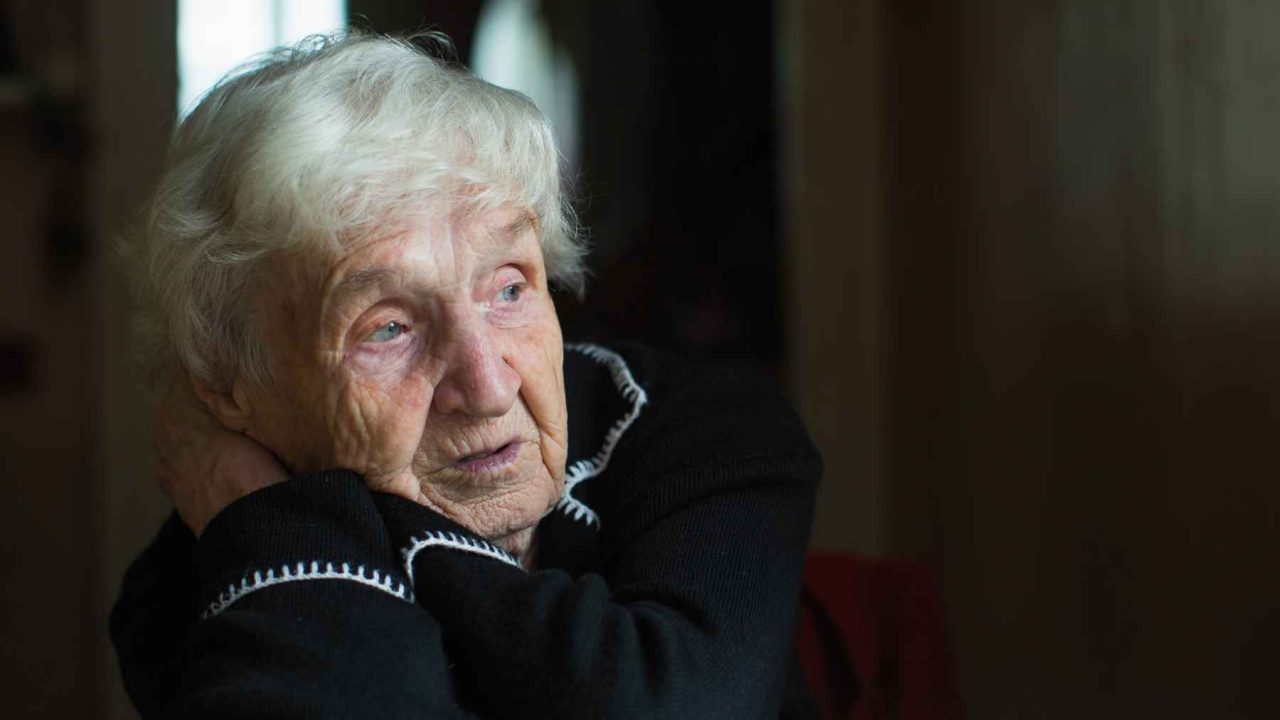
Nearly half of all adults over 60 in the United States report feeling lonely — not because they are physically alone, but because the relationships they counted on turned out to be one-sided. That gap between the friendships people expect and the ones they actually have is, according to psychologists, one of the most painful and least-discussed parts of growing older.
What makes it worse is that this kind of loss rarely announces itself. There is no argument, no dramatic ending, no moment you can point to. You just stop reaching out first — and the silence tells you everything.
For a lot of people, that silence is the loneliest sound they have ever heard.
The Friendship Loss That Nobody Calls Grief
Most people have heard of grief in the traditional sense — losing someone to death, or to a breakup, or to distance. But psychologists point to another kind of loss that almost never gets named: the slow disappearance of a friendship that only existed because one person was doing all the work.
The pattern is familiar to more people than might admit it. You are always the one who texts first. You are the one who plans the dinners, remembers the birthdays, checks in after hard weeks. Then, at some point, you stop — not out of anger, but out of exhaustion, or curiosity, or simply life getting in the way. And nothing comes back.
Days turn into weeks. The silence grows. And then comes the realization: the friendship was never mutual. It was sustained entirely by your willingness to do all the emotional labor.
Psychologists describe this as a “quiet fade” — and they note that it can hit particularly hard as people age, precisely because the built-in social structures that kept people connected earlier in life have largely disappeared. School, workplaces, shared routines — these create regular contact almost automatically. Once they are gone, the friendships that were never truly reciprocal tend to evaporate along with them.
What the Numbers Actually Show About Loneliness and Aging
This is not a small or niche problem. The scale of social isolation among older Americans is striking, and the data reflects a pattern that mental health researchers have been tracking for years.
| Population Group | Statistic | Source |
|---|---|---|
| Americans aged 65 and older | Approximately 24% are socially isolated | National Academies report |
| Adults aged 60 and older | 43% report feeling lonely | National Academies report |
The distinction the research draws between social isolation and loneliness matters. Social isolation is measurable — it refers to the objective lack of social contact. Loneliness is something different. It is defined as the felt gap between the relationships you want and the relationships you actually have. Someone can be surrounded by people and still feel profoundly lonely. Someone else can spend most of their time alone and feel genuinely connected.
That distinction explains why so many older adults report loneliness even when, on paper, they have friends. The question is not how many people are in your contact list. It is whether those relationships are real — whether care actually flows in both directions.
Why Growing Older Makes One-Sided Friendships Harder to Ignore
When people are younger, the logistics of daily life create a kind of social scaffolding. You see coworkers every day. Your kids’ school schedules create connections with other parents. You live near people your own age, share commutes, run into neighbors. A lot of friendships survive on proximity and routine rather than genuine mutual investment.
As people move through their 50s, 60s, and beyond, that scaffolding comes down. Retirement removes the workplace. Children grow up and move away. Neighborhoods change. And the friendships that were propped up by convenience rather than real connection tend not to survive the transition.
What is left can feel like a much smaller circle than people expected. And within that smaller circle, the one-sided relationships become impossible to ignore — because there is no longer enough noise to drown them out.
Psychologists note that this form of loss is particularly isolating because it tends to be invisible to others. When a friendship ends quietly, with no blowup and no shared narrative about what happened, the people around you may not even notice that anything changed. There is no one to grieve with. There is no recognized event to mark. You are simply left holding a loss that has no name.
The Emotional Work That Was Never Shared
The hardest part of recognizing a one-sided friendship is what comes with it: the retroactive understanding that the care was never mutual. It is not just that the other person stopped showing up — it is the realization that they may never have been fully present to begin with.
That kind of recognition can reshape how people see years of their own history. The invitations extended, the check-ins made, the emotional energy spent — all of it recontextualized by the silence that follows when you finally stop.
Mental health advocates argue that naming this experience matters. When people understand that what they are feeling is a genuine form of grief — even without a clear ending, even without anyone else acknowledging it — they are better positioned to process it rather than carry it as unexplained weight.
The research also suggests that the antidote is not simply more social contact, but more reciprocal social contact. Quantity of connection does not close the loneliness gap. Quality does.
What This Means for Anyone Paying Attention
If you have ever run the quiet experiment — stopping yourself from reaching out first, and waiting to see what happens — and found only silence, you are in large company. The data suggests tens of millions of people are navigating some version of this.
Recognizing the pattern is not about assigning blame or writing people off. It is about understanding what you are actually dealing with, so you can make honest decisions about where to invest your energy. Not every relationship that fades was a failure. But some of them reveal, in their absence, that they were never what they appeared to be.
That is a painful thing to know. Psychologists suggest it is also, eventually, a clarifying one.
Frequently Asked Questions
What does psychology say is the loneliest part of growing old?
According to psychologists, the loneliest part is not being physically alone, but realizing that some friendships only existed because you were doing all the emotional work — and that they disappear as soon as you stop.
How common is loneliness among older adults in the United States?
A National Academies report found that approximately 43% of adults aged 60 and older report feeling lonely, and around 24% of Americans 65 and older are considered socially isolated.
Is loneliness the same as being alone?
No. Researchers define loneliness as the felt gap between the relationships you want and the relationships you actually have — meaning someone can feel lonely even when surrounded by other people.
What is a “quiet fade” in friendship?
A quiet fade refers to a friendship that ends without any argument or clear moment of rupture — it simply disappears once one person stops doing all the work of maintaining it.
Why does this type of friendship loss feel so isolating?
Because it is largely invisible to others. With no shared story about what happened and no recognized ending, people often grieve this kind of loss alone, without acknowledgment from those around them.
What does research suggest actually helps with loneliness in older age?



Leave a Reply