
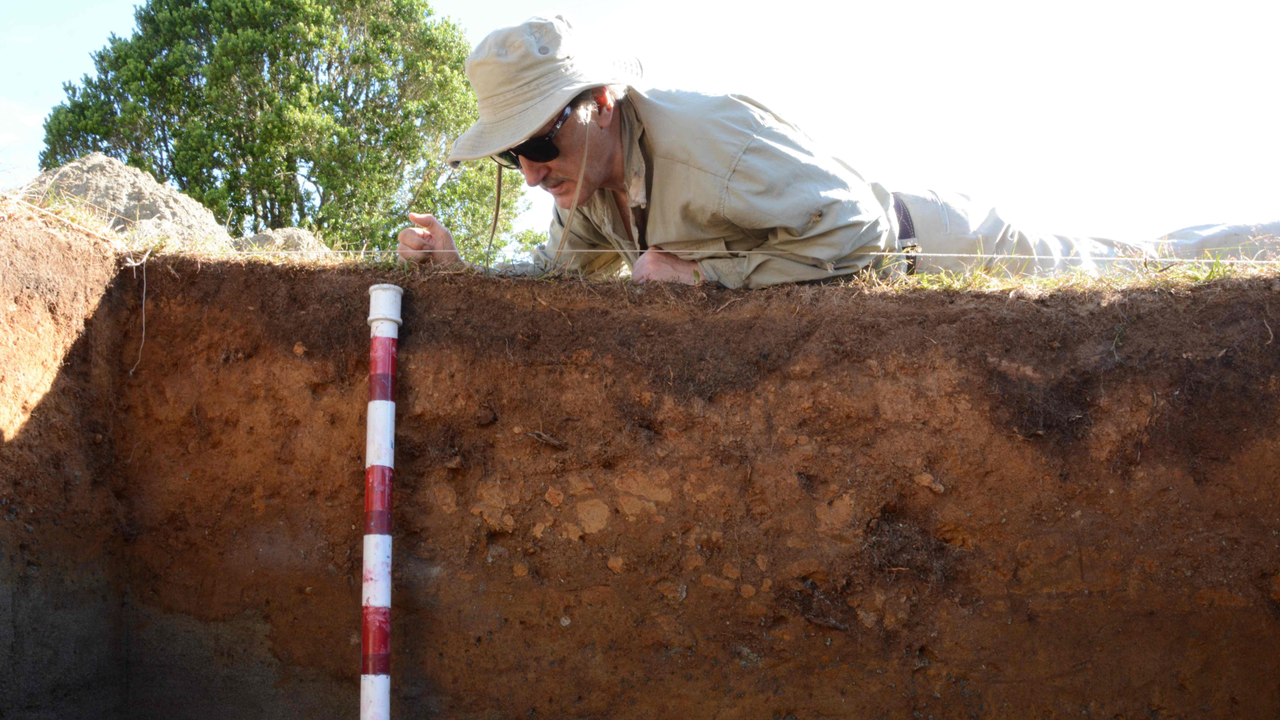
Thirty researchers have fired back — hard — against a study that tried to rewrite one of the most important chapters in the story of human migration to the Americas. The target of their criticism: a paper published in the journal Science in March that claimed the ancient site of Monte Verde in Chile was thousands of years younger than decades of archaeological work had established.
The response, delivered through three separate scientific letters published last week, was anything but polite. The 30 experts described the study’s claims as containing “substantive errors and misrepresentations” and called its central conclusions “categorically false and found to be unsupported.” Words like “speculation” and “egregious failure” were used. This is not how scientists usually talk in print — which tells you something about how seriously they took the challenge.
At stake is a question that matters enormously to our understanding of prehistory: when did the first humans actually arrive in the Americas, and how do we know?
What Monte Verde Is — and Why It Changed Everything
Monte Verde sits in the mountains of southern Chile. It was discovered in 1976, and archaeologist Tom Dillehay of Vanderbilt University has led excavations there for nearly 50 years. What his team found was remarkable by any standard.
The site, sometimes referred to as Monte Verde II or MV-II, yielded a striking collection of ancient evidence:
- Stone tools
- Preserved wood
- Bones and skin from extinct animals
- A human footprint
- Edible plant remains
- Hearths
- Natural rope
Carbon dating placed human occupation of the site at approximately 14,500 years ago, making Monte Verde the only securely dated Late Pleistocene archaeological site in all of South America. For decades, it has served as a cornerstone of research into how and when the first people reached the Americas.
That date — 14,500 years — pushed back the timeline of human arrival in the Americas significantly and challenged the long-dominant “Clovis First” theory, which held that humans didn’t reach the continent until around 13,000 years ago. Monte Verde became, in effect, proof that the story was more complicated and more ancient than many had assumed.
The Study That Sparked the Controversy
In March, the journal Science published a paper led by Todd Surovell, an archaeologist at the University of Wyoming, that challenged the established dating of Monte Verde. The study’s claim was striking: rather than being 14,500 years old, the human occupation layer at the site was actually only around 8,200 years old.
If true, that would mean Monte Verde was not a Pleistocene-era site at all — and would effectively erase one of the most important pieces of evidence for early human presence in South America. It would also reopen debates that many researchers considered settled.
The claim landed like a disruption in a field that had spent decades building consensus around Monte Verde’s significance. It did not take long for the response to come.
What the 30 Researchers Are Actually Saying
The rebuttal — organized across three scientific letters — brought together 30 experts who collectively rejected the Surovell study’s conclusions in unusually direct terms. Their criticism centered on what they characterized as fundamental problems with the research itself.
| Element of the Debate | Established Position | Surovell Study Claim | Critics’ Response |
|---|---|---|---|
| Age of human occupation at Monte Verde | ~14,500 years ago (Late Pleistocene) | ~8,200 years ago | “Categorically false and unsupported” |
| Quality of the study’s methodology | Decades of carbon dating and excavation | Reanalysis challenging prior dating | “Substantive errors and misrepresentations” |
| Nature of the claims | Peer-reviewed consensus over ~50 years | Published in Science, March | Described as “speculation” and “egregious failure” |
| Site classification | Only securely dated Late Pleistocene site in South America | Implies site is Holocene-era | Rejected by responding researchers |
The language the critics used is notable. Scientific literature tends toward measured, careful phrasing. Phrases like “egregious failure” signal that the researchers felt the study didn’t just reach a wrong conclusion — they believe it failed at a more basic level of scientific rigor.
Why This Debate Matters Beyond One Site in Chile
Monte Verde is not just a data point. It is a symbol in a much larger argument about human prehistory in the Western Hemisphere. The question of when and how people first arrived in the Americas — whether by land bridge, coastal route, or some combination — is one of the most debated topics in archaeology.
A site dated to 14,500 years ago supports models of early migration that predate the opening of an ice-free corridor through North America. Knock that date back to 8,200 years, and those models lose a critical anchor. The stakes for the broader field are real.
Dillehay has spent close to five decades excavating and defending Monte Verde. The site’s acceptance as a legitimate pre-Clovis occupation was itself a long fight — it took years for the archaeological community to fully embrace the carbon-dating evidence. The new challenge, and the force of the response it generated, reflects just how much weight the site carries.
What Happens Next in This Scientific Dispute
The publication of three critical letters in a peer-reviewed context means this debate is now formally on the record. The Surovell study appeared in Science, one of the most prestigious scientific journals in the world, so the response carries significant weight within the field.
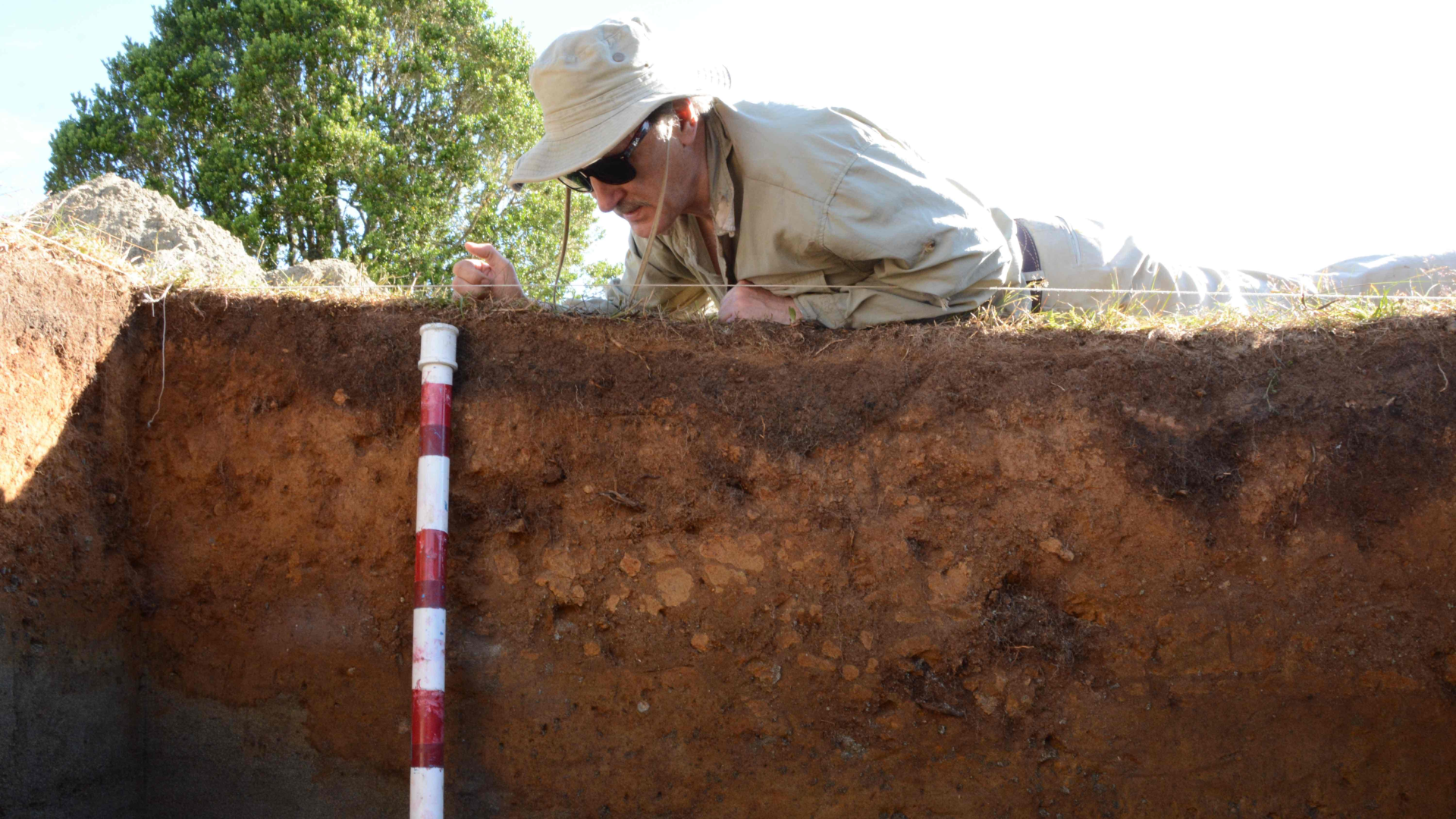
Whether the journal will publish a formal reply from Surovell and his co-authors, or whether additional research will be commissioned to further examine the dating question, has not been confirmed based on the available source material. What is clear is that 30 researchers have drawn a firm line, and the scientific community will be watching how this plays out.
For now, the 14,500-year date for Monte Verde — and its place as the oldest securely dated human occupation in South America — remains the position defended by the majority of experts in the field.
Frequently Asked Questions
What is Monte Verde and why is it significant?
Monte Verde is an archaeological site in southern Chile discovered in 1976. It is considered the only securely dated Late Pleistocene human occupation site in South America, with evidence of human presence dating back approximately 14,500 years.
What did the controversial study published in Science claim?
A study led by archaeologist Todd Surovell of the University of Wyoming claimed that the human occupation layer at Monte Verde was only around 8,200 years old, not 14,500 years old as established by decades of prior research.
Who responded to the study and what did they say?
Thirty researchers published three scientific letters criticizing the study, calling its claims “categorically false and found to be unsupported” and describing it as containing “substantive errors and misrepresentations.”
Who has led the excavations at Monte Verde?
Tom Dillehay, an archaeologist at Vanderbilt University, has led excavations at Monte Verde for nearly 50 years since the site was discovered in 1976.
What kind of evidence was found at Monte Verde?
Excavations recovered stone tools, preserved wood, bones and skin of extinct animals, a human footprint, edible plant remains, hearths, and natural rope.
Has the journal Science responded to the criticism?
This has not yet been confirmed based on currently available information. The three critical letters were published last week, and any formal response from the journal or the study’s authors has not been reported.




Leave a Reply