
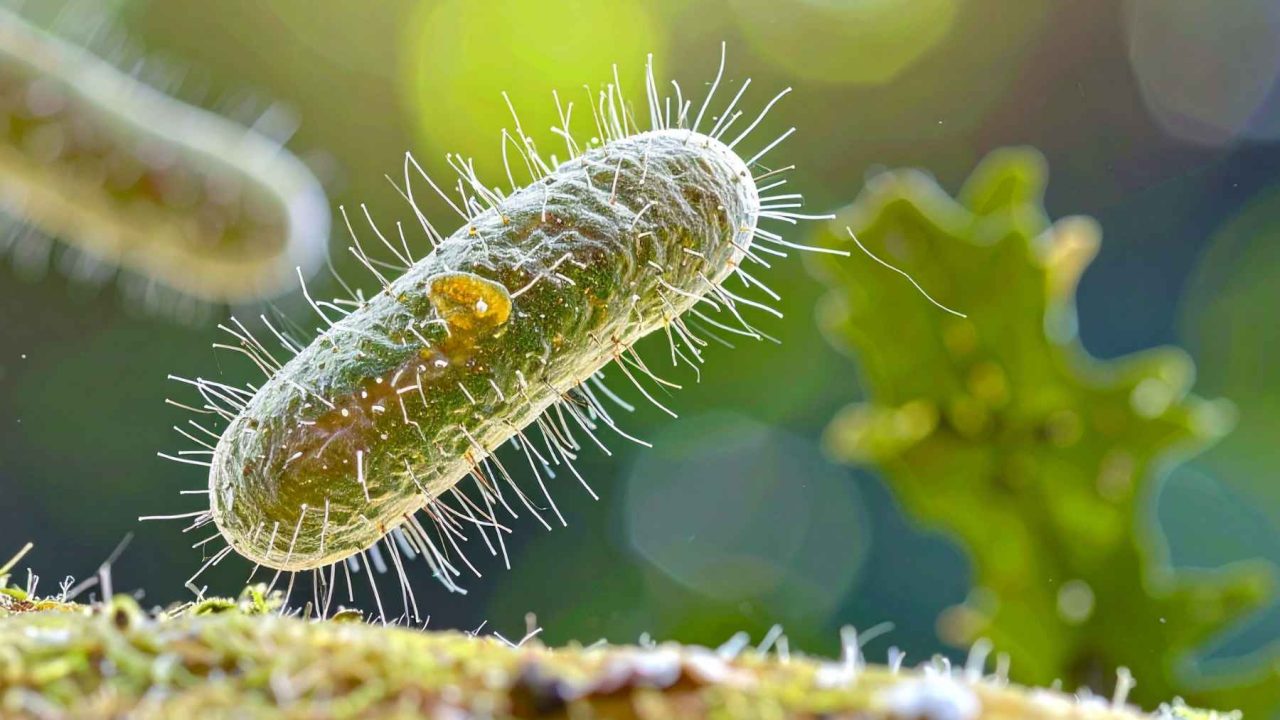
What if the next major biological threat isn’t a new virus spreading through airports and crowded markets, but a microbe built in a laboratory — one that life on Earth has never encountered before and has no natural defense against? That is exactly the scenario the World Health Organization began formally addressing in early 2026, and the warning is worth taking seriously.
In a question-and-answer document dated February 5, 2026, the WHO laid out why so-called “mirror life” — specifically, self-replicating mirror organisms like a synthetic mirror bacterium — could pose catastrophic risks to humans, animals, plants, and the broader environment. The core message is pointed: continue exploring useful mirror biomolecules for science and medicine, but draw firm red lines around any effort to create self-replicating mirror organisms.
The reason those red lines matter so much comes down to biology’s most fundamental quirk — and understanding it doesn’t require a science degree.
What “Mirror Life” Actually Means
The concept hinges on something called chirality — a word scientists use to describe the same property you experience every morning when you try to put on a glove. Your right hand and left hand are mirror images of each other, but they are not interchangeable. The same is true at the molecular level.
Two molecules can share the exact same atoms, arranged in the exact same sequence, and still be fundamentally different because one is a mirror image of the other. They look alike on paper but don’t fit the same biological locks.
Life on Earth, as the WHO notes, is largely homochiral — meaning it settled on one molecular “handedness” billions of years ago and stuck with it. Amino acids in natural living organisms are almost exclusively left-handed. The sugars that make up DNA and RNA are right-handed. This consistent orientation is not a coincidence; it is what allows biological molecules to fit together and function properly.
Mirror life would be built the opposite way — right-handed amino acids, left-handed sugars. It would be chemically alive, capable of replicating, but running on a molecular architecture that nothing in nature has ever had to deal with.
Why Synthetic Mirror Bacteria Could Be So Dangerous
The danger isn’t just theoretical. It follows directly from the biology. Earth’s existing immune systems, ecosystems, and predator-prey relationships are all built around recognizing and responding to normal, naturally-handed life forms.
A mirror bacterium would be invisible to those systems in ways that matter enormously:
- Immune systems may not recognize mirror proteins and structures the way they recognize natural pathogens, making it harder for the body to mount a defense.
- Natural predators — the bacteria, viruses, and organisms that normally keep microbial populations in check — may be unable to consume or neutralize mirror organisms.
- Environmental surveillance systems developed for detecting biological threats are calibrated for natural life, and may not perform as expected against mirror organisms.
- Plants and animals, not just humans, could face exposure with no evolved protection.
The WHO’s concern is not that mirror bacteria exist today — they do not. No self-replicating mirror organism has been created. But the underlying science of building mirror biomolecules is advancing, and the gap between useful mirror molecules and a self-replicating mirror organism, while still large, is a gap worth watching closely.
The Line the WHO Is Drawing
The WHO’s February 2026 guidance draws a careful distinction that is easy to miss if you skim the headlines. It is not calling for a ban on all mirror biology research. Mirror biomolecules — molecules built with the opposite chirality to natural ones — have real and valuable scientific applications, including in medicine and drug development, precisely because their unusual handedness can make them more stable or harder for the body to break down.
What the WHO is flagging as a potential catastrophic risk is a very specific next step: creating a mirror organism capable of self-replication. That is the threshold that transforms a useful research tool into something that could, if released, operate outside every biological safety net humanity has ever built.
| Concept | Natural Life | Mirror Life |
|---|---|---|
| Amino acid handedness | Left-handed | Right-handed |
| Sugar handedness (DNA/RNA) | Right-handed | Left-handed |
| Immune system recognition | Yes | Potentially no |
| Natural predators/controls | Yes | May not function |
| Self-replicating version exists | Yes (all natural life) | No (as of early 2026) |
Who Is Actually Affected by This Warning
At first glance, this might feel like a concern for laboratory scientists and biosecurity officials. But the WHO’s warning reaches further than that.
Because mirror organisms could theoretically affect humans, animals, plants, and the environment simultaneously, a containment failure would not be confined to a hospital ward or a single species. It could ripple through food systems, wildlife, and agriculture in ways that current response frameworks were not designed to handle.
The safety nets the WHO references — immunity, predation, and surveillance — are the same systems that have helped humanity manage biological threats throughout history. Mirror life, by its very nature, could sidestep all three at once.
That makes this less a narrow scientific concern and more a question of how society governs emerging biotechnology before a risk becomes a reality, rather than after.
What Comes Next in Mirror Life Research
The WHO’s February 2026 guidance represents an early-stage warning, not a response to an active crisis. No self-replicating mirror organism exists today, and creating one remains well beyond current capabilities.
But the field of synthetic biology moves quickly, and the WHO’s intervention signals that international health authorities believe the conversation about governing this technology needs to happen now — while the science is still in its early stages and before commercial or competitive pressures accelerate development in ways that outpace oversight.
The practical next steps being implied, though not yet formalized in
Frequently Asked Questions
What is mirror life?
Mirror life refers to organisms built with the opposite molecular “handedness” to natural life — using right-handed amino acids and left-handed sugars, the reverse of what all known living things use.
Does a mirror bacterium exist right now?
No. As of the WHO’s February 2026 guidance, no self-replicating mirror organism has been created.
Why would a mirror bacterium be hard to stop?
Because immune systems, natural predators, and biological surveillance tools are all built around recognizing normal, naturally-handed life — a mirror organism could evade all of these defenses simultaneously.
Is the WHO calling for a ban on all mirror biology research?
No. The WHO distinguishes between useful mirror biomolecules, which have legitimate scientific applications, and self-replicating mirror organisms, which it identifies as a potential catastrophic risk.
What populations or ecosystems could be affected?
According to the WHO, the risks extend to humans, animals, plants, and the broader environment — not just human health.
When did the WHO issue this warning?
The WHO published its questions-and-answers guidance on mirror life on February 5, 2026.


Leave a Reply