
A $3 million prize and a milestone in medical history — that’s what two researchers have earned for foundational work that made the first-ever approved CRISPR-based therapy a reality. The 2026 Breakthrough Prize in Life Sciences has been awarded to Dr. Swee Lay Thein of the National Heart, Lung and Blood Institute (NHLBI) and Dr. Stuart H. Orkin of Harvard University, recognizing decades of basic scientific research that ultimately led to a functional cure for sickle cell disease.
It’s the kind of story that doesn’t always make headlines — two scientists doing quiet, foundational laboratory work that, years later, changes what medicine can actually do for real patients. But the impact here is anything but quiet. Sickle cell disease affects millions of people worldwide, and for most of its history, the condition had no cure. That changed when a CRISPR-based gene therapy reached regulatory approval, and the path to that moment runs directly through the research of Thein and Orkin.
The Breakthrough Prize is one of the most prestigious — and most lucrative — scientific awards in the world. Winning it signals not just achievement, but a recognition that a body of work has genuinely moved the needle for human health.
What the Breakthrough Prize Recognizes — and Why It Matters This Year
The Breakthrough Prize in Life Sciences is awarded annually to scientists whose research has produced significant advances in understanding living systems and extending human life. At $3 million per prize, it dwarfs many other scientific honors in financial terms, and it carries enormous weight in the research community.
This year’s Life Sciences award to Thein and Orkin is specifically tied to basic research — the kind of foundational, often unglamorous science that happens long before any drug or therapy reaches a patient. Their work helped unravel the biological mechanisms behind sickle cell disease at a molecular level, providing the scientific groundwork that gene-editing researchers later built upon.
The therapy that followed is historic. It represents the first approved treatment using CRISPR technology — a gene-editing tool that has been described as one of the most significant scientific breakthroughs of the 21st century. CRISPR allows scientists to edit DNA with precision, and in the context of sickle cell disease, that precision opened the door to something that once seemed impossible: a potential cure.
Understanding Sickle Cell Disease and Why a CRISPR Cure Is Such a Big Deal
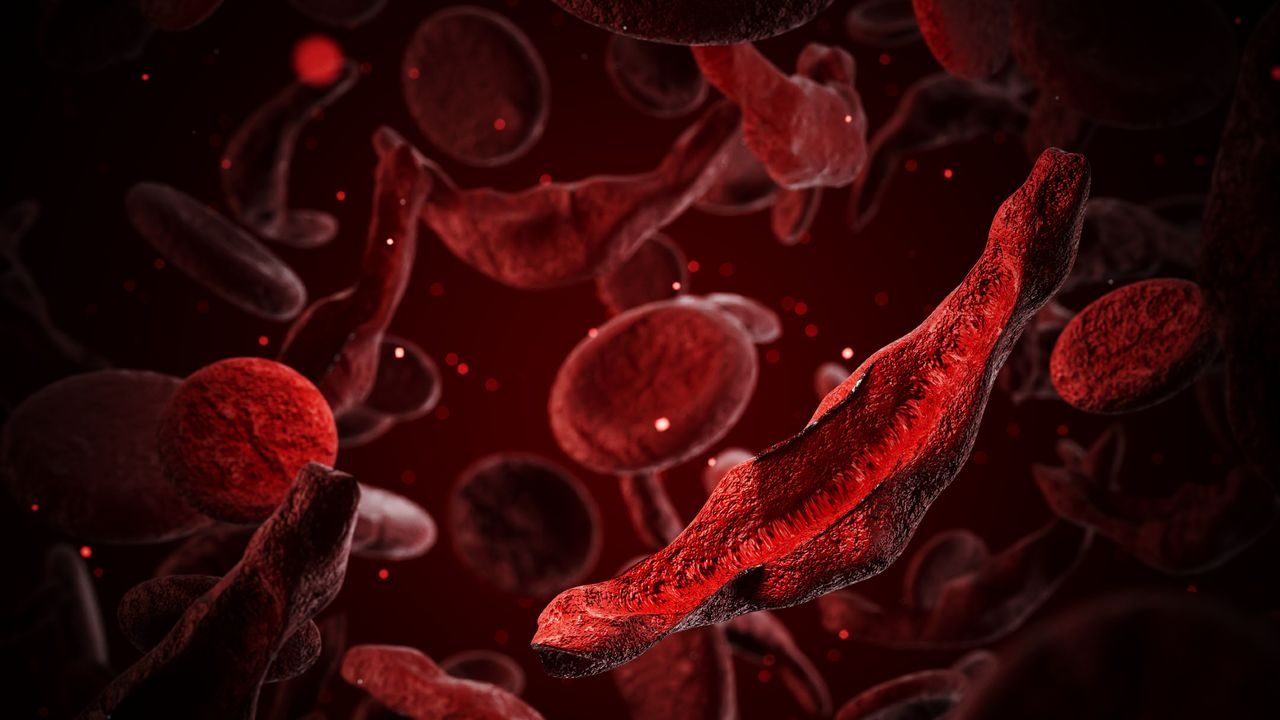
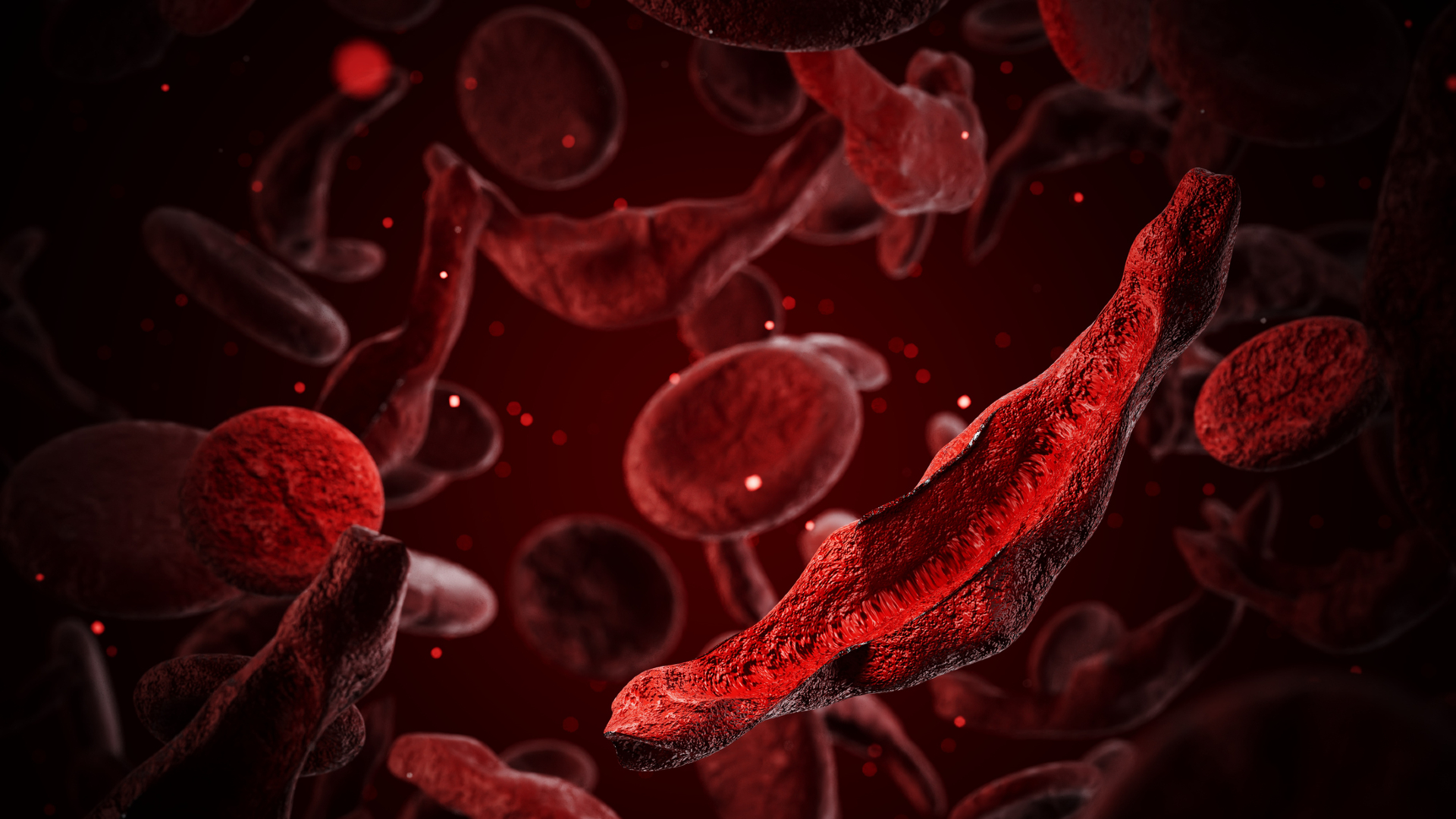
Sickle cell disease is a genetic blood disorder that causes red blood cells to form an abnormal, crescent or “sickle” shape instead of the normal round shape. These misshapen cells can block blood flow, causing severe pain episodes, organ damage, stroke, and a significantly shortened lifespan.
For generations, treatment options were limited. Blood transfusions and medications could manage symptoms, and bone marrow transplants offered a potential cure for some patients — but finding a compatible donor is difficult, and the procedure carries serious risks. Most patients lived with the disease rather than being freed from it.
CRISPR changed that equation. By editing the genes responsible for the disease at the source, researchers were able to develop a therapy that doesn’t just manage sickle cell disease — it addresses the underlying genetic cause. The approval of this therapy marked a turning point in both sickle cell treatment and the broader history of gene editing in medicine.
The research by Thein and Orkin was essential to understanding which genetic targets to pursue — knowledge without which the CRISPR therapy could not have been developed in the form it was.
The Two Scientists Behind the Prize
| Researcher | Institution | Award |
|---|---|---|
| Dr. Swee Lay Thein | National Heart, Lung and Blood Institute (NHLBI) | 2026 Breakthrough Prize in Life Sciences (shared) |
| Dr. Stuart H. Orkin | Harvard University | 2026 Breakthrough Prize in Life Sciences (shared) |
Both researchers have spent years working in the field of blood disorders and hemoglobin biology. Their shared prize reflects a shared contribution — two scientists whose independent and collaborative efforts converged on the same critical problem and helped solve it in ways that are now transforming patient care.
Dr. Thein is based at the NHLBI, the federal institute within the National Institutes of Health that funds and conducts research on heart, lung, and blood diseases. Dr. Orkin is affiliated with Harvard University, one of the leading academic medical research institutions in the United States. Together, their institutional pedigrees reflect the kind of deep, well-resourced scientific commitment that foundational biomedical breakthroughs typically require.
What This Means for Patients and the Future of Gene Therapy
For people living with sickle cell disease and their families, the approval of a CRISPR-based therapy is not an abstraction — it is the possibility of a life without the chronic pain, hospitalizations, and shortened life expectancy that define the condition for so many.
The recognition of Thein and Orkin also sends a signal to the broader scientific community: basic research matters. The work that wins prizes and makes front pages is often the clinical breakthrough, the approved drug, the therapy that reaches patients. But behind every one of those moments is years — sometimes decades — of foundational science that rarely gets the same attention.
The Breakthrough Prize, by honoring that foundational layer, reinforces the idea that investing in basic science is not just academically valuable — it is medically essential. Without understanding the biology of sickle cell disease at the level that Thein and Orkin explored, the CRISPR cure that followed may never have arrived.
More broadly, the success of this therapy is widely seen as a proof of concept for CRISPR-based medicine. Researchers across the world are now applying similar approaches to other genetic diseases, and the approval of the sickle cell therapy has accelerated that work considerably.
What Comes Next in CRISPR Medicine
The recognition of this research comes at a moment when gene therapy is moving rapidly from the laboratory into clinical practice. The sickle cell approval is the first, but it is unlikely to be the last CRISPR-based therapy to reach patients.
Researchers and advocates note that while the therapy represents a major advance, questions remain about accessibility, cost, and how widely it can be deployed — particularly in lower-income countries where sickle cell disease is most prevalent. Those are challenges that science alone cannot solve, and they are likely to shape the next chapter of this story.
For now, though, the 2026 Breakthrough Prize has put a spotlight — and a $3 million check — on the scientists whose curiosity and persistence made a CRISPR cure for sickle cell disease possible in the first place.
Frequently Asked Questions
Who won the 2026 Breakthrough Prize in Life Sciences?
The prize was shared by Dr. Swee Lay Thein of the National Heart, Lung and Blood Institute (NHLBI) and Dr. Stuart H. Orkin of Harvard University.
How much is the Breakthrough Prize worth?
The Breakthrough Prize in Life Sciences carries a $3 million award, which Thein and Orkin shared for their contributions.
What did their research lead to?
Their foundational basic research led to the development of the first approved gene therapy using CRISPR technology, targeting sickle cell disease.
Is the CRISPR sickle cell therapy a cure?
The therapy has been described as a functional cure for sickle cell disease, addressing the underlying genetic cause of the condition rather than just managing symptoms.
What is sickle cell disease?
Sickle cell disease is a genetic blood disorder in which red blood cells form an abnormal sickle shape, causing pain, organ damage, and other serious health complications.
Will CRISPR be used to treat other diseases?


Leave a Reply