
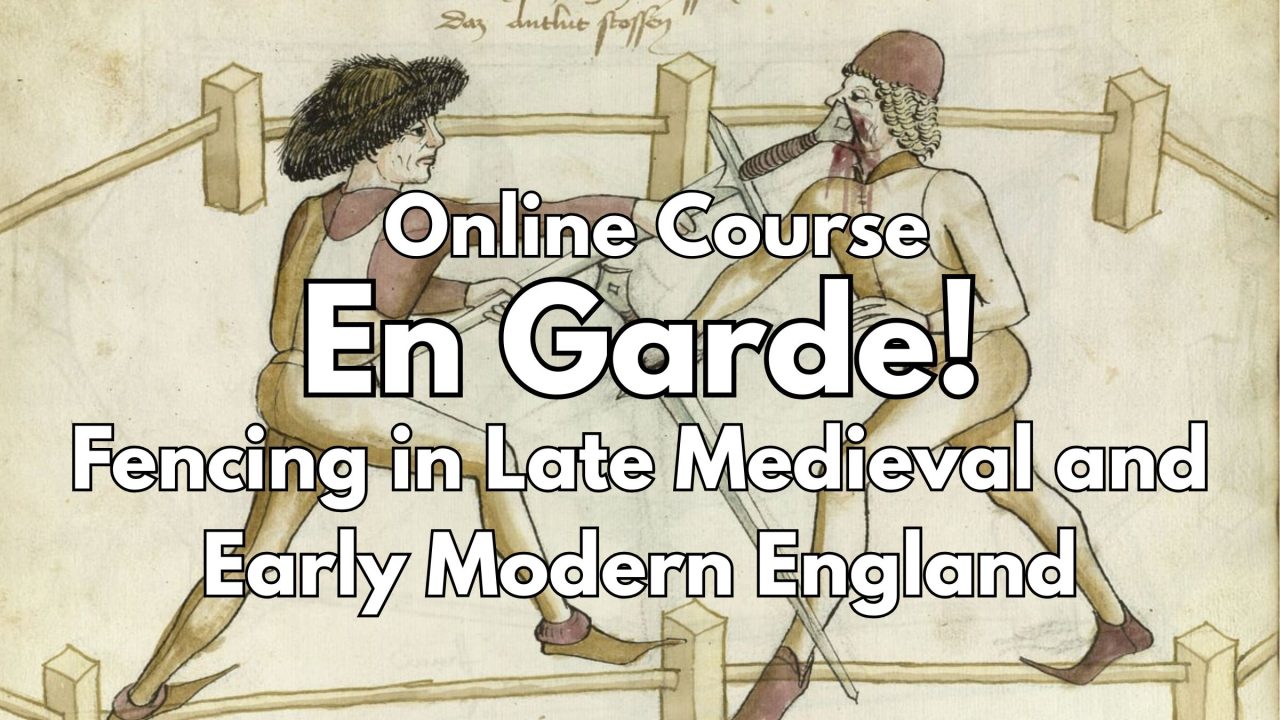
From street-level apprentices to royalty at court, fencing was one of the most socially widespread physical practices in late medieval and early modern England — and yet it rarely gets the serious academic attention it deserves. A new online course is changing that, offering history enthusiasts a structured, expert-led look at the martial culture, teaching traditions, and key figures who shaped swordsmanship across several centuries of English history.
The course, titled En Garde! Fencing in Late Medieval and Early Modern England, launched on Friday, March 6th, and runs for six weeks. It’s taught by Dr Jacob H. Deacon, a specialist in late medieval martial culture who completed his PhD in Medieval Studies at the University of Leeds in 2025. For anyone curious about the real history behind the sword — not the Hollywood version — this is a rare opportunity to learn directly from a researcher working at the cutting edge of the field.
What makes this course particularly compelling isn’t just its subject matter. It’s the scope. Fencing in this era wasn’t a niche pursuit reserved for nobility. It cut across social classes, from young tradespeople learning to defend themselves in city streets to aristocrats training under masters of arms in royal households. That breadth is exactly what the course sets out to explore.
Why Medieval Fencing Is More Than Just Swordplay
When most people think of historical fencing, they picture knights in full armor or Hollywood swashbucklers. The reality of late medieval and early modern English martial culture was far more nuanced — and far more interesting.
Fencing masters of this period weren’t just fighters. They were educators, entrepreneurs, and sometimes controversial public figures who occupied a unique space in society. They wrote manuals, established schools, attracted students from wildly different social backgrounds, and in some cases earned royal patronage. Understanding who they were and how they operated tells us a great deal about how violence, discipline, and physical education were understood in pre-modern England.
The course focuses specifically on the instructors themselves — the men who taught others how to use arms — and traces both their careers and their techniques. That focus on the human story behind the martial art is what separates this kind of academic history from a simple how-to guide on historical combat.
Course Details: What You Need to Know Before Signing Up
The course is delivered online with live sessions, making it accessible to learners anywhere in the world. Here’s a quick breakdown of what’s confirmed from the course listing:
| Detail | Information |
|---|---|
| Course Title | En Garde! Fencing in Late Medieval and Early Modern England |
| Instructor | Dr Jacob H. Deacon |
| Instructor Credentials | PhD in Medieval Studies, University of Leeds (2025) |
| Format | Online with live sessions |
| Start Date | Friday, March 6th |
| Session Times | 2:00 – 3:30 pm EST |
| Duration | Six weeks |
| Platform | Medievalists.net |
Each live session runs for 90 minutes, which gives enough time for genuine depth without becoming overwhelming. The live format also means participants can engage directly — something that’s genuinely valuable when the subject matter involves interpreting historical texts and practices that aren’t always straightforward.
Who This Course Is Really For
The obvious audience is history enthusiasts with an interest in medieval or early modern England. But the course likely appeals to a wider group than that label suggests.
- Historical European Martial Arts (HEMA) practitioners who want academic context behind the techniques they already study
- Students and researchers in medieval or Renaissance history looking for specialized content beyond what standard curricula offer
- Writers and game designers who want accurate detail about how combat instruction actually worked in this period
- General readers curious about how ordinary people — not just knights — experienced and practiced martial culture
The course’s framing — from apprentices in the street to princes at court — signals that it’s deliberately inclusive in its historical scope. That’s not just a marketing line. It reflects genuine historical reality: fencing schools in late medieval and early modern England served a remarkably diverse clientele, and that diversity is part of what makes the subject so rich.
The Instructor Behind the Course
Dr Jacob H. Deacon’s expertise sits at an intersection that doesn’t have many specialists: the academic study of martial culture in the medieval and early modern periods. His doctorate from the University of Leeds, one of the UK’s leading centers for medieval studies, was completed in 2025, meaning this course draws on genuinely current research.
The field of historical martial arts scholarship has grown considerably over the past two decades, as researchers have taken the surviving fencing manuals — known as fechtbücher in German tradition, though English equivalents exist — more seriously as historical documents. A course taught by someone who has spent years working in this space at doctoral level offers something that general history courses simply can’t replicate.
What Comes Next for Interested Learners
Since the course began on March 6th, prospective students should check the Medievalists.net course page directly for current enrollment availability and any updates to the schedule. The six-week structure means the course runs through mid-April, based on the confirmed start date.
For those who miss this run, Medievalists.net has a track record of offering medieval history courses on an ongoing basis — so watching their course listings for future offerings is worthwhile. Signing up for their newsletter is also a practical way to stay informed about upcoming academic opportunities in medieval and early modern history.
Whether you’re a seasoned history reader or someone who simply wants to understand what fencing actually meant in the world before sport fencing existed, this course offers a grounded, research-led route into a subject that’s surprisingly underexplored.
Frequently Asked Questions
When does the En Garde fencing course start?
The course began on Friday, March 6th. Prospective students should check Medievalists.net directly for current enrollment availability.
How long is each session and how many weeks does the course run?
Live sessions run from 2:00 to 3:30 pm EST — 90 minutes each — and the course runs for six weeks in total.
Who teaches the course?
The course is taught by Dr Jacob H. Deacon, who holds a PhD in Medieval Studies from the University of Leeds, completed in 2025, and specializes in late medieval martial culture.
What time zone are the live sessions in?
Sessions are scheduled at 2:00 to 3:30 pm Eastern Standard Time (EST).
Do I need prior knowledge of medieval history or fencing to take this course?
This has not been specified in the available course information — checking the full course details on Medievalists.net would clarify any prerequisites.
What does the course actually cover?
The course explores the careers and martial arts of those who instructed others in the use of arms in late medieval and early modern England, covering practitioners from street-level apprentices to figures at royal courts.


Leave a Reply