
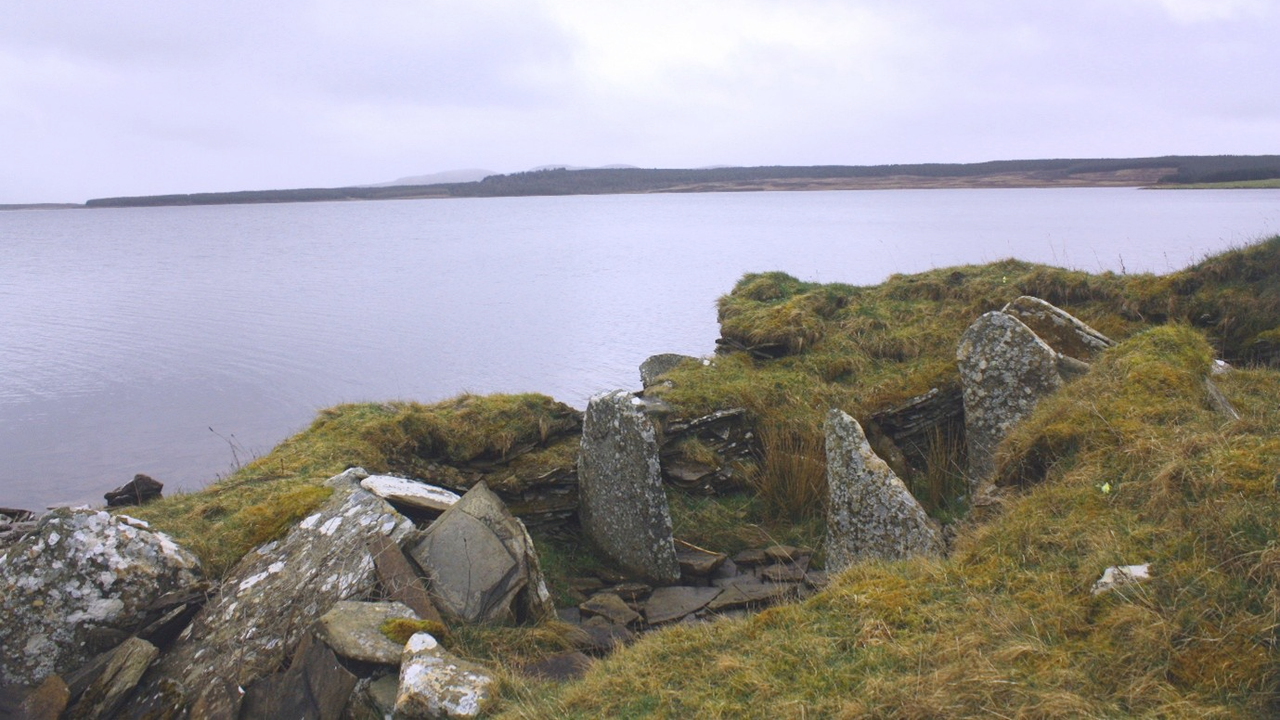
Thousands of years before written records, before kingdoms, before anything we’d recognize as organized society, people in northern Scotland were carefully choosing who got buried together — and new DNA evidence reveals that choice was anything but random.
A study published on April 14 in the journal Antiquity found that Stone Age communities in the far north of Scotland buried related males together in the same tombs, while females were not grouped by biological relationship in the same way. The result, researchers say, was the creation of what they describe as “webs of descent” — family networks linking multiple Neolithic burial sites across the landscape.
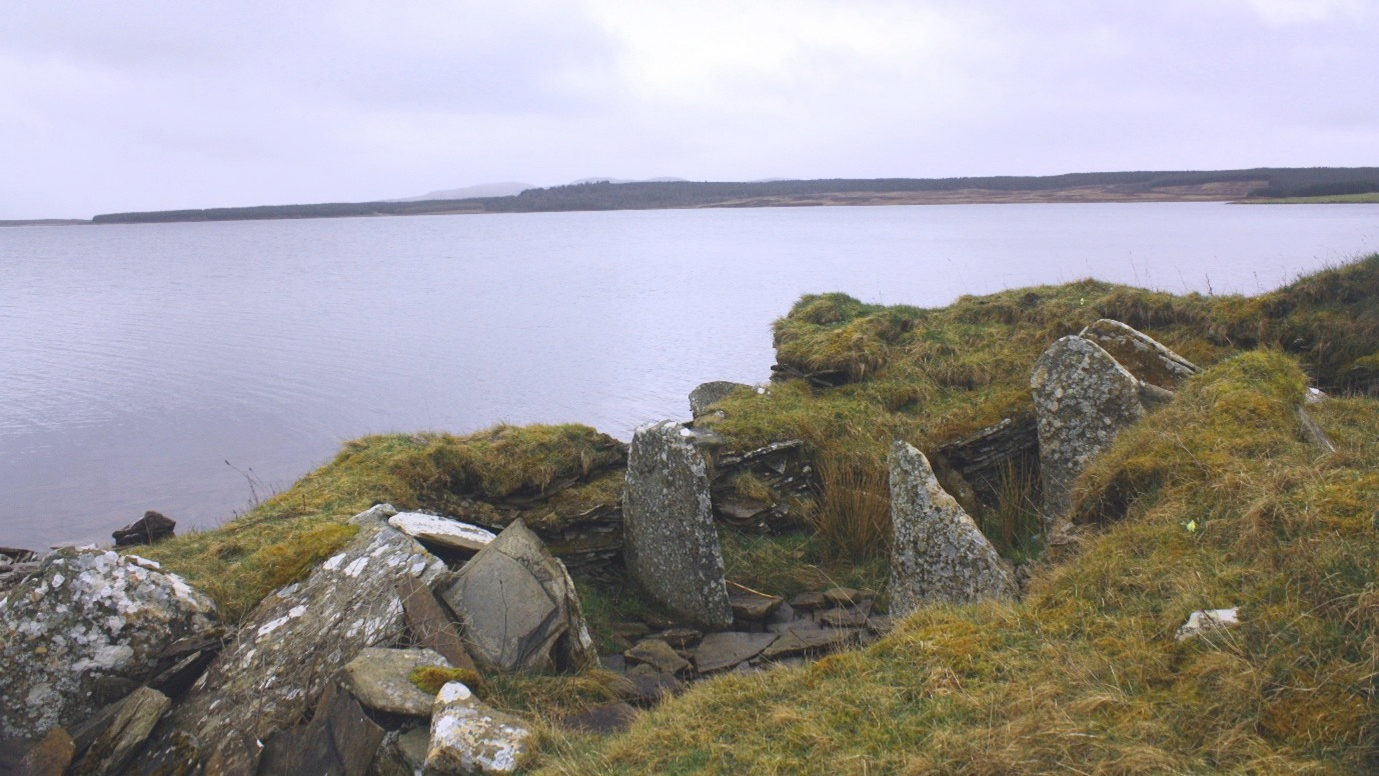
The findings offer a rare and remarkably intimate window into how prehistoric people understood family, identity, and belonging — and they raise new questions about the social structures that shaped early farming communities in Britain.
What the DNA Study Actually Found
Researchers analyzed the DNA of 22 individuals recovered from five tombs located in Caithness, a county in the far north of mainland Scotland, and the Orkney Islands. These tombs were in active use during a period stretching from approximately 3800 to 3200 B.C. — a span of some 600 years during the Neolithic, or late Stone Age.
What the genetic data revealed was a consistent and deliberate pattern. Male individuals buried within the same tomb were biologically related to one another. Female individuals, by contrast, did not share the same pattern of genetic relatedness within tomb groups.
This asymmetry is significant. It suggests that these communities organized burial — and likely social life more broadly — around male lineages. Women may have come from outside the immediate kin group, a practice known as patrilocality, where men remain in their home community while women move into it upon marriage or partnership.
The connections didn’t stop at individual tombs, either. The DNA evidence pointed to biological links between people buried at different tomb sites, weaving together a broader regional network of related families across Caithness and Orkney.
Key Details From the Research
Here is what the study confirmed based on the genetic analysis of the 22 individuals examined:
- Five tombs were included in the study, all located in Caithness and the Orkney Islands in northern Scotland
- The tombs were used between 3800 and 3200 B.C.
- DNA was successfully analyzed from 22 individuals across the five sites
- Related males were consistently buried together within the same tomb
- Females buried at the same sites did not show the same pattern of close biological relatedness
- Genetic links were identified between individuals buried at different tomb sites, suggesting family networks spanning multiple locations
- The study was published in the journal Antiquity on April 14
| Detail | Finding |
|---|---|
| Study published | April 14, in the journal Antiquity |
| Individuals analyzed | 22 people from 5 tombs |
| Locations studied | Caithness and Orkney Islands, northern Scotland |
| Time period covered | 3800–3200 B.C. (Neolithic / Stone Age) |
| Male burial pattern | Related males buried together within same tomb |
| Female burial pattern | No equivalent pattern of biological relatedness found |
| Cross-site connections | Genetic links found between individuals at different tomb sites |
Why the “Webs of Descent” Finding Matters
The phrase “webs of descent” captures something genuinely striking about what this research uncovered. These weren’t isolated family units burying their dead in private plots. These were interconnected communities, apparently organized around shared male ancestry, whose burial practices reflected and reinforced those social bonds across a wide geographic area.
For archaeologists studying Neolithic Britain, this kind of genetic confirmation of social structure is still relatively new. Ancient DNA analysis has only become a powerful research tool in the past decade, and its application to prehistoric Scottish sites is helping reshape long-held assumptions about how early farming communities were organized.
The fact that women don’t appear in the same pattern of tomb-based kinship groupings is particularly telling. It doesn’t mean women were unimportant — but it does suggest they occupied a different social position relative to the burial sites. They may have been born elsewhere and joined these communities, meaning the tombs themselves functioned as monuments to the male lineages that anchored each settlement.
Researchers note that the cross-site genetic links — family ties connecting people buried in entirely different tombs — point to a broader social web. These communities almost certainly knew one another, intermarried, and maintained relationships across what was a relatively remote and rugged landscape.
What This Tells Us About Stone Age Society in Scotland
Caithness and the Orkney Islands are not obvious places to look for complex social organization. They sit at the very northern edge of the British mainland, exposed to the North Atlantic, with short growing seasons and challenging terrain. And yet the Neolithic people who lived there between roughly 3800 and 3200 B.C. were clearly capable of sophisticated, multigenerational social planning.
The tombs themselves — communal stone structures used over centuries — were already understood to be significant monuments. But knowing that the people placed inside them were biologically related, and that those relationships extended across the region, adds a new layer of meaning to what these structures represented.
They weren’t just burial places. They were, in a very real sense, family archives — physical records of descent, identity, and belonging, built in stone and maintained across generations.
What Researchers Are Likely to Explore Next
The study focused on 22 individuals across five sites, which is a meaningful sample but still a limited one given the scale of Neolithic settlement across northern Scotland and the islands. Future research using ancient DNA from additional sites in the region could help confirm whether the patterns found in Caithness and Orkney were consistent across a wider area — or whether these communities were unusual in how they organized burial and kinship.
Researchers may also probe why females were not grouped by kinship in the same way. Whether this reflects marriage practices, social hierarchy, or something else entirely remains an open and genuinely compelling question.
Frequently Asked Questions
Where were the Stone Age tombs in this study located?
The five tombs studied were located in Caithness, a county in northern mainland Scotland, and on the Orkney Islands.
How old are the tombs?
The tombs were used between approximately 3800 and 3200 B.C., during the Neolithic period, also known as the late Stone Age.
How many people’s DNA was analyzed?
Researchers analyzed the DNA of 22 individuals recovered from the five tomb sites.
Why were males and females buried differently?
The study found that related males were grouped together within tombs while females did not show the same pattern, suggesting communities may have been organized around male lineages, with women potentially coming from outside the immediate kin group.
What does “webs of descent” mean in this context?
The term refers to the network of biological family relationships researchers identified not just within individual tombs, but stretching across multiple tomb sites in the region.
Where was the study published?
The study was published on April 14 in the journal Antiquity.


Leave a Reply