
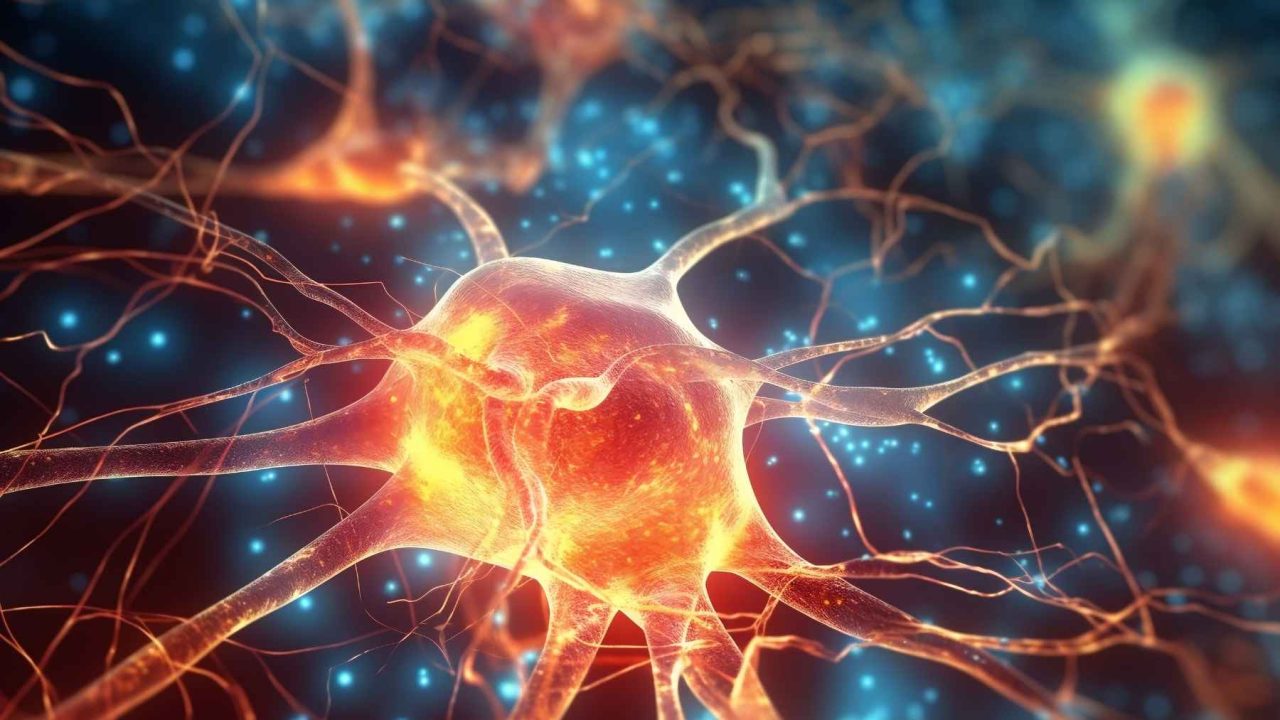
An estimated 57 million people worldwide were living with dementia in 2021 — and that number keeps climbing. Now, a discovery from one of Europe’s leading research universities is raising a question that scientists and physicians have debated for decades: Is the aging brain actually more reversible than we ever believed?
Researchers at EPFL — the Swiss Federal Institute of Technology in Lausanne — have managed to restore learning ability and memory function in elderly mice. The method didn’t involve new drugs, surgery, or wholesale genetic overhaul. It came down to briefly switching on just three specific genes, targeted at the precise clusters of brain cells responsible for storing a memory.
The results are early, and the road from mouse to human medicine is long. But the underlying science is striking enough that it’s reshaping how researchers think about cognitive decline — and what might one day be possible.
What “Engram” Neurons Are and Why They Matter
To understand what this research actually did, it helps to know what an engram is. The term refers to the physical trace a memory leaves in the brain — the biological footprint of an experience. When you learn something new, a sparse group of neurons activates. Those same neurons are supposed to reactivate when you recall that memory later.
These clusters are called engram neurons, and they’ve become one of the most actively studied areas in neuroscience over the past decade. Scientists have come to understand that in aging brains — and especially in Alzheimer’s disease — these engram circuits don’t fire the way they should. The memory isn’t necessarily gone, but the brain loses its ability to reliably access it.
That distinction matters enormously. If memories are inaccessible rather than destroyed, there may be a path to recovering them. That’s exactly the possibility this EPFL research begins to explore.
Three Genes, Targeted Precisely Where It Counts
The EPFL team’s approach was notable for its precision. Rather than flooding the brain with broad genetic signals, the researchers activated three “reprogramming” genes inside the specific engram neurons tied to a particular memory. The activation was brief — more of a targeted nudge than a permanent rewrite.
The outcome in elderly mice: measurable restoration of both learning ability and memory recall. The animals showed cognitive improvements that, for a mouse, represent a meaningful reversal of age-related decline.
What makes this approach scientifically interesting is the specificity. Targeting the exact neurons that hold a memory — rather than attempting brain-wide intervention — reduces the risk of unintended consequences and points toward a more surgical future for cognitive therapies.
Key Facts About the Research at a Glance
| Detail | What the Source Confirms |
|---|---|
| Research institution | EPFL (Swiss Federal Institute of Technology, Lausanne) |
| Subject of study | Elderly mice |
| Method used | Brief activation of three reprogramming genes |
| Target cells | Engram neurons — the brain’s physical memory trace |
| Outcome observed | Restored learning ability and memory in aging mice |
| Global dementia burden (2021) | Estimated 57 million people affected worldwide |
- Engram neurons activate during learning and reactivate during recall
- The gene activation was described as brief, not permanent
- The intervention targeted only the neurons storing a specific memory
- The research team is based at EPFL in Lausanne, Switzerland
- The study connects to a broader scientific conversation about whether cognitive aging is reversible
Why This Matters Beyond the Laboratory
Dementia isn’t an abstract statistic. It’s a condition that reshapes families, careers, and entire life trajectories. The 57 million people living with it globally represent millions more caregivers, relatives, and communities affected in ripple effects that medical data rarely captures.
For a long time, the dominant assumption in medicine was that significant cognitive decline was essentially a one-way road. Neurons die, circuits degrade, and the best available tools — whether lifestyle interventions or pharmaceutical options — could slow the process but not meaningfully reverse it.
Research like this challenges that assumption at a fundamental level. If the brain’s memory architecture can be selectively reactivated through targeted genetic signals, the question shifts from “can we slow decline?” to “can we actually reverse it?”
The researchers and The framing here is deliberate — discoveries about brain plasticity don’t exist in a vacuum. Clean air policies, the argument goes, are also brain health policies. The same aging brains that might one day benefit from genetic therapies are, right now, being shaped by the air quality of the cities they live in.
The Gap Between Mice and Medicine
It would be easy — and wrong — to read this research as a near-term treatment announcement. It isn’t. What works in elderly mice must go through years of additional study before it can be considered for human application. The biology is more complex, the ethical questions are real, and the path through clinical research is neither quick nor guaranteed.
But that’s not why science stories like this one matter in the short term. They matter because they reframe what researchers consider possible. Each study that demonstrates meaningful cognitive reversal in animal models adds weight to the argument that the aging brain retains more flexibility than previously assumed — and that weight influences where funding goes, what clinical trials get designed, and how quickly new approaches move forward.
The EPFL finding is a data point in a larger, accelerating conversation about neuroplasticity and aging. Advocates in the field argue that the pace of discovery in this space has shifted noticeably in recent years, with engram research in particular opening doors that weren’t visible a decade ago.
What Comes Next in This Research
The immediate next steps for this line of research would typically involve replicating results, understanding the mechanisms in greater depth, and eventually exploring whether similar approaches are feasible in other animal models closer to human neurobiology.
What is clear is that the core question this research raises — does the brain age more than we think, or more than it has to? — is now harder to dismiss. That question is likely to drive scientific attention, and potentially resources, for years to come.
Frequently Asked Questions
What did the EPFL researchers actually do?
They briefly activated three reprogramming genes inside engram neurons — the specific brain cells that store a memory — in elderly mice, which resulted in restored learning and memory function.
What are engram neurons?
Engram neurons are small clusters of brain cells that activate when a memory is formed and reactivate when that memory is recalled. They are often described as the brain’s physical memory trace.
Does this mean there’s a cure for Alzheimer’s disease?
No. This is early-stage animal research, and Significant additional research would be required before any clinical application could be considered.
How many people are currently affected by dementia worldwide?
According to
What does air pollution have to do with this research?
When could this type of therapy be available for humans?
This has not been confirmed in The research is at an early, animal-model stage, and no human timeline has been announced.




Leave a Reply