
Three hundred and seventeen human skeletons were found beneath a former department store in Gloucester, England — and the discovery is reshaping what researchers thought they knew about centuries of urban life in one of Britain’s oldest cities.
The site in question is King’s Square, where workers were redeveloping a former Debenhams department store. They expected the usual complications that come with an old building in an old city. What they found instead was an archaeological record stretching back centuries, hidden just below the concrete and brick of a thoroughly modern retail space.
It is the kind of find that stops a construction project in its tracks — and for good reason. The ground beneath that shopping center had been holding secrets for a very long time.
A Church Buried Beneath a Shopping Center
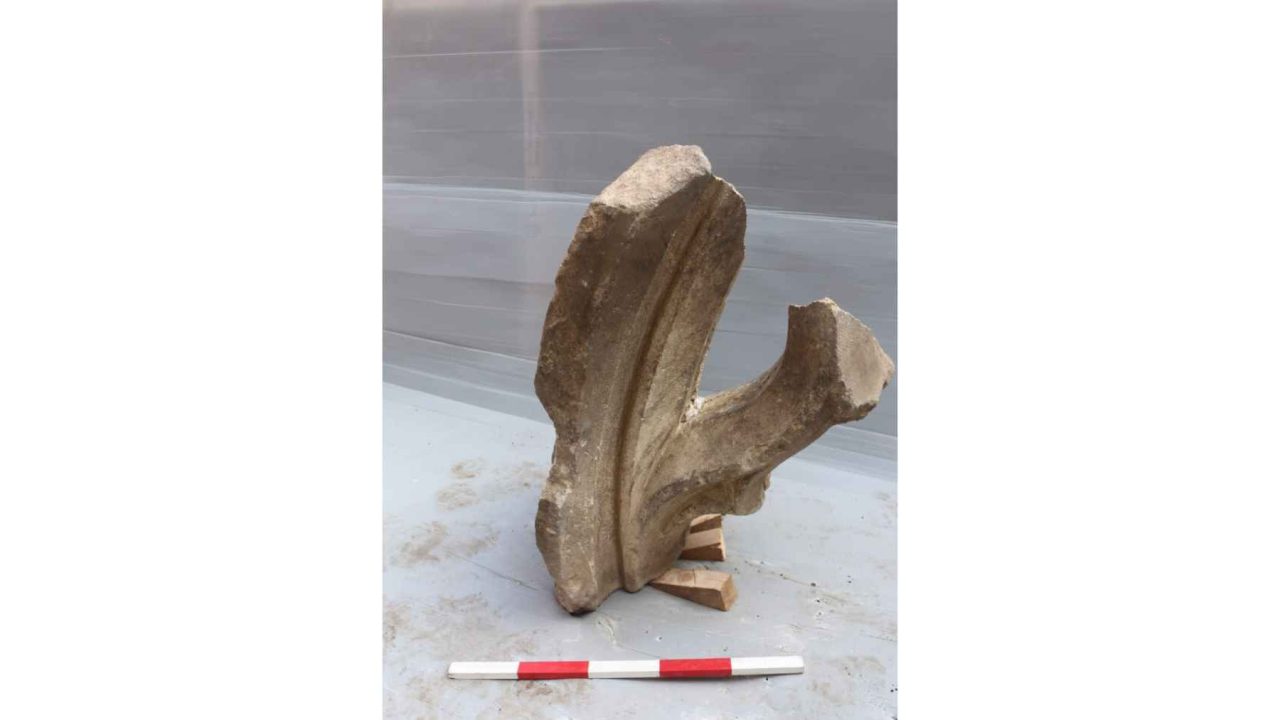
The excavation at King’s Square revealed far more than scattered remains. Archaeologists documented 317 human skeletons and 83 brick-lined burial vaults beneath the site, concentrated in what is now described as the campus courtyard — an area that previously served as a service yard for earlier retail buildings built on the same footprint.
The burials were not random. Excavations also uncovered limestone and brick foundations linked to St Aldate’s Church, along with the 83 brick-lined vaults located within the church itself and its associated burial ground. What had been a functioning place of worship and burial for the community had, over the centuries, been built over, forgotten, and eventually paved into the foundations of a department store.
That transformation — from sacred ground to service yard to retail space — is a story that plays out in cities across Britain. Urban development rarely stops to ask what came before. In this case, the answer turned out to be an entire churchyard, largely intact, waiting beneath the surface.
What the Skeletons Can Actually Tell Us
The sheer number of remains is striking, but researchers are focused on what those bones and teeth can reveal about life in Gloucester across multiple centuries. The plan is to conduct detailed analysis of the skeletal material, and early observations have already produced one particularly vivid finding.
Some of the remains show visible dental damage consistent with sugar consumption — pointing to the period when sugar became common enough in everyday diets to leave a mark on tooth enamel. That kind of evidence turns an abstract historical fact into something you can actually see and measure.
For archaeologists and historians, that is enormously valuable. Written records can tell you when sugar imports increased or when a particular food became fashionable. Bones and teeth tell you when ordinary people actually started eating it — and what it cost their health.
The broader research goal is to understand how urban living shaped human health over time. A population buried in one place across multiple generations offers a rare longitudinal view: how bodies changed, what diseases appeared, how diet shifted, and what the rhythms of city life looked like from the inside out.
Key Facts From the Gloucester Excavation
| Detail | Finding |
|---|---|
| Location | King’s Square, Gloucester, England |
| Former building on site | Debenhams department store |
| Human skeletons found | 317 |
| Brick-lined burial vaults | 83 |
| Associated structure | St Aldate’s Church (limestone and brick foundations) |
| Area of discovery | Campus courtyard, formerly a retail service yard |
| Notable early finding | Dental damage consistent with early sugar consumption |
- The site previously functioned as a service yard for earlier retail buildings on the same footprint
- Foundations of St Aldate’s Church were found alongside the burial vaults
- Researchers plan to analyze bones and teeth for evidence of diet, disease, and health trends
- The dental evidence may help pinpoint when sugar became a routine part of ordinary diets
Why This Find Matters Beyond Gloucester
Discoveries like this one are more common in British cities than most people realize — but a find of this scale, with 317 individuals and 83 intact vaults, is genuinely significant. It gives researchers a large enough sample to draw meaningful conclusions rather than educated guesses.
Urban archaeology often operates in difficult conditions. Construction timelines create pressure, access is limited, and the evidence can be fragmentary. What makes King’s Square unusual is both the quantity of remains and the structural context — the church foundations, the vaults, the layered history of a single plot of land that has been continuously used for centuries.
For the city of Gloucester, the find also reframes the history of a space that most residents would have associated entirely with shopping. A department store is about as modern and commercial a building as you can imagine. Knowing that it sat above a medieval churchyard — and that hundreds of people were buried in the ground beneath it — changes the character of that place entirely.
Researchers argue that these kinds of discoveries matter not just for what they reveal about the past, but for what they demonstrate about the relationship between modern cities and the layers of history they are built upon. Every urban redevelopment project carries the possibility of uncovering something that rewrites the local record.
What Happens to the Remains Now
The confirmed next step is detailed scientific analysis of the skeletal material. Researchers plan to study the bones and teeth to build a picture of health, diet, and disease across the population buried at the site. The dental evidence of sugar damage is among the early findings that will likely be examined more closely.
Beyond the scientific work, the discovery raises practical questions about the redevelopment project itself. Sites with remains of this significance typically require careful management, documentation, and in many cases, reburial or preservation arrangements — though the specific plans for this site have not been confirmed in the available reporting.
What is clear is that King’s Square in Gloucester is no longer just a construction zone. It is, unexpectedly, one of the more significant archaeological sites currently active in England — and the full story of what lies beneath it is still being written.
Frequently Asked Questions
Where exactly were the skeletons found?
The 317 human skeletons and 83 brick-lined burial vaults were found beneath King’s Square in Gloucester, England, at the site of a former Debenhams department store.
What church was associated with the burials?
Excavations uncovered limestone and brick foundations linked to St Aldate’s Church, along with burial vaults within the church and its associated burial ground.
What do researchers hope to learn from the remains?
Researchers plan to analyze the bones and teeth to study how urban living shaped health over time, including evidence of diet changes such as the point at which sugar consumption became common enough to damage tooth enamel.
What dental evidence was found?
Early observations identified visible dental damage in some remains consistent with sugar consumption, potentially marking the period when sugar became a routine part of ordinary people’s diets.
Will the redevelopment project continue?
This has not yet been confirmed in the available reporting. Sites with remains of this significance typically require careful documentation and management before any construction work proceeds.
Is this kind of discovery unusual in British cities?
Urban archaeology finds are relatively common in Britain’s older cities, but a single site yielding 317 skeletons and 83 intact vaults alongside church foundations is considered a significant and unusually large discovery.



Leave a Reply