
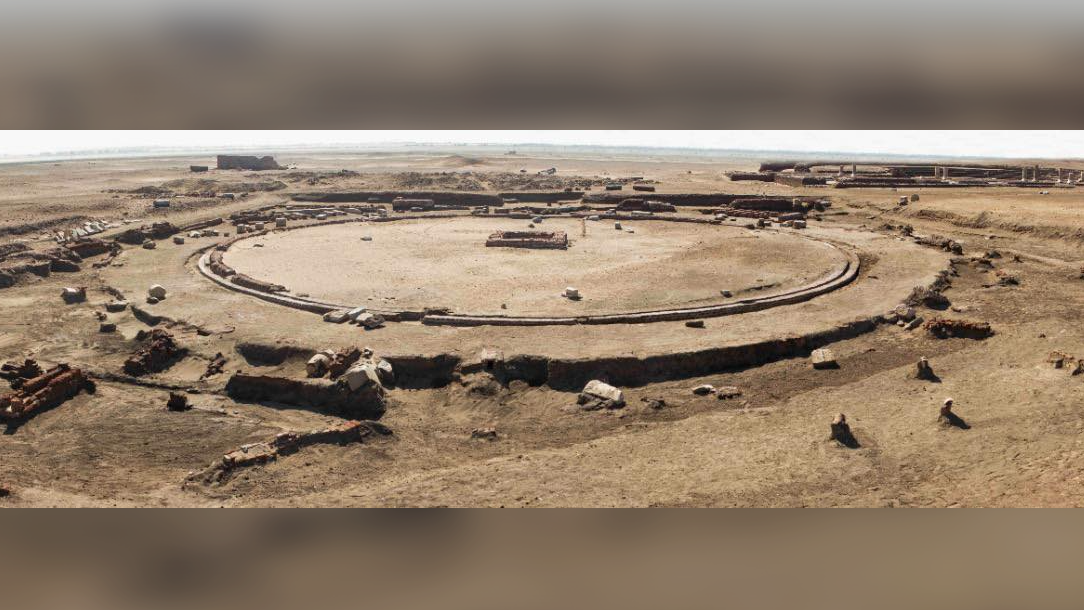
A 2,200-year-old temple with a perfectly circular design has been unearthed in North Sinai, Egypt — and archaeologists say it may have been used for sacred water rituals connected to the Nile itself. The discovery, announced by the Egyptian Ministry of Tourism and Antiquities, is being described as rare, and for good reason: circular religious structures from ancient Egypt are exceptionally uncommon.
The temple was dedicated to a local Egyptian deity known as Pelusius, and it comes complete with complex water infrastructure that once linked the sanctuary directly to the Nile. That connection to flowing water isn’t just architectural — it points to a deeper spiritual purpose that researchers are still working to understand.
The site was fully excavated over the past several years, making this one of the more methodical and complete ancient Egyptian temple discoveries in recent memory. What emerged from that careful work is a structure unlike almost anything else found in the region.
What Makes This Ancient Egyptian Temple So Unusual
Most temples from ancient Egypt follow a rectangular or axial design — long halls, pylons, and sanctuaries arranged along a straight ceremonial path. Circular religious architecture breaks sharply from that tradition, which is part of why this discovery is drawing so much attention from the archaeological community.
The temple was dedicated to Pelusius, described as a local Egyptian deity. The city of Pelusium itself was a significant settlement in ancient times, situated near the northeastern edge of the Nile Delta — a strategically and spiritually important location. The area served as a gateway between Egypt and the ancient Near East, and its connection to water made it a natural site for rituals tied to the Nile’s flooding cycle, which ancient Egyptians considered sacred.
The presence of complex water infrastructure within the temple structure strongly suggests that water wasn’t just nearby — it was central to whatever rituals took place inside. Officials have noted that the sanctuary was once physically connected to the Nile, which would have allowed water to flow into or through the temple grounds as part of religious ceremonies.
The Key Details of What Was Found
Here’s what has been confirmed from the excavation and the announcement by the Egyptian Ministry of Tourism and Antiquities:
- The temple has a perfectly circular design, which is rare in ancient Egyptian religious architecture
- It is approximately 2,200 years old, placing its construction in the Ptolemaic period of Egyptian history
- The structure is dedicated to Pelusius, a local deity associated with the region
- The site includes complex water infrastructure built into the temple
- The temple was once connected to the Nile, suggesting water played a central role in its religious function
- The excavation took place in North Sinai, Egypt and was completed over several years
| Feature | Detail |
|---|---|
| Age | Approximately 2,200 years old |
| Location | North Sinai, Egypt |
| Deity | Pelusius (local Egyptian deity) |
| Design | Perfectly circular — rare for ancient Egypt |
| Infrastructure | Complex water systems connected to the Nile |
| Announced by | Egyptian Ministry of Tourism and Antiquities |
Why Sacred Water Rituals Matter to Understanding Ancient Egypt
Water held enormous religious significance in ancient Egyptian culture. The annual flooding of the Nile wasn’t just a practical agricultural event — it was understood as a divine act, a renewal of life orchestrated by the gods. Temples built near or connected to the Nile were often designed to incorporate that sacred flow into their rituals.
A sanctuary with built-in water infrastructure and a direct channel to the Nile would have been a powerful ceremonial space. Researchers suggest this kind of setup could have supported purification rituals, offerings involving water, or ceremonies tied to the Nile’s flood cycle — though the specific practices at this particular site have not yet been fully confirmed.
The circular shape of the structure adds another layer of intrigue. Circles carried symbolic weight in many ancient cultures, often representing completeness, eternity, or the cyclical nature of time. Whether that symbolism was intentional here is something archaeologists are still working to establish, but the design alone sets this temple apart from the vast majority of known Egyptian religious sites.
What This Find Means for the Broader Archaeological Record
North Sinai has been an active zone for archaeological discovery, and this temple adds meaningfully to the picture of how religious life was organized in ancient Egypt’s northeastern frontier. The Pelusium region was not a backwater — it was a crossroads, a place where Egyptian, Greek, and Near Eastern cultures intersected, particularly during the Ptolemaic period when this temple was likely built.
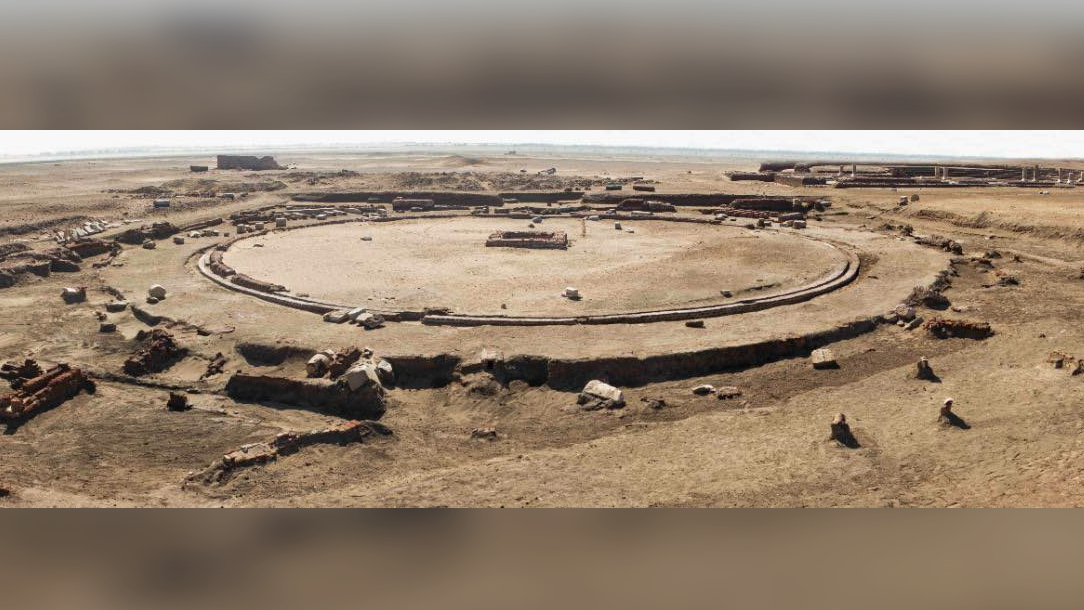
A 2,200-year-old circular sanctuary with Nile-connected water systems tells researchers something important: that religious innovation and architectural experimentation were happening even at the edges of the empire, not just at the grand temple complexes of Luxor or Karnak.
The full excavation over multiple years also means researchers have had time to document the site carefully, which should yield more detailed findings as analysis of the artifacts and structural features continues.
What Researchers Are Looking at Next
The announcement from Egypt’s Ministry of Tourism and Antiquities confirms the discovery and the basic facts of what was found, but the deeper interpretive work is ongoing. Archaeologists will likely continue analyzing the water infrastructure to better understand how it functioned and what role it played in the temple’s ceremonies.
Further study of the site’s architectural layout may also shed light on whether the circular design had specific ritual or astronomical significance — a question that cannot yet be answered definitively based on what has been publicly confirmed.
For now, the temple stands as one of the more striking ancient Egyptian finds in recent years: a perfectly circular, 2,200-year-old sanctuary built for a local god, designed around the sacred power of water, and hidden beneath the sands of North Sinai for millennia.
Frequently Asked Questions
Where was the ancient circular temple discovered?
The temple was found in North Sinai, Egypt, and was fully excavated over the past several years.
Who was Pelusius?
Pelusius is described as a local Egyptian deity to whom the temple was dedicated, associated with the Pelusium region of northeastern Egypt.
How old is the temple?
The temple is approximately 2,200 years old, placing its construction in the Ptolemaic era of ancient Egyptian history.
Why is the circular design significant?
Circular religious structures are extremely rare in ancient Egypt, where temples almost always followed a rectangular or axial design, making this discovery architecturally unusual.
What was the water infrastructure used for?
The exact rituals have not yet been fully confirmed, but the temple’s connection to the Nile and its built-in water systems strongly suggest the site was used for sacred water rituals of some kind.
Who announced the discovery?
The discovery was announced by the Egyptian Ministry of Tourism and Antiquities.



Leave a Reply