
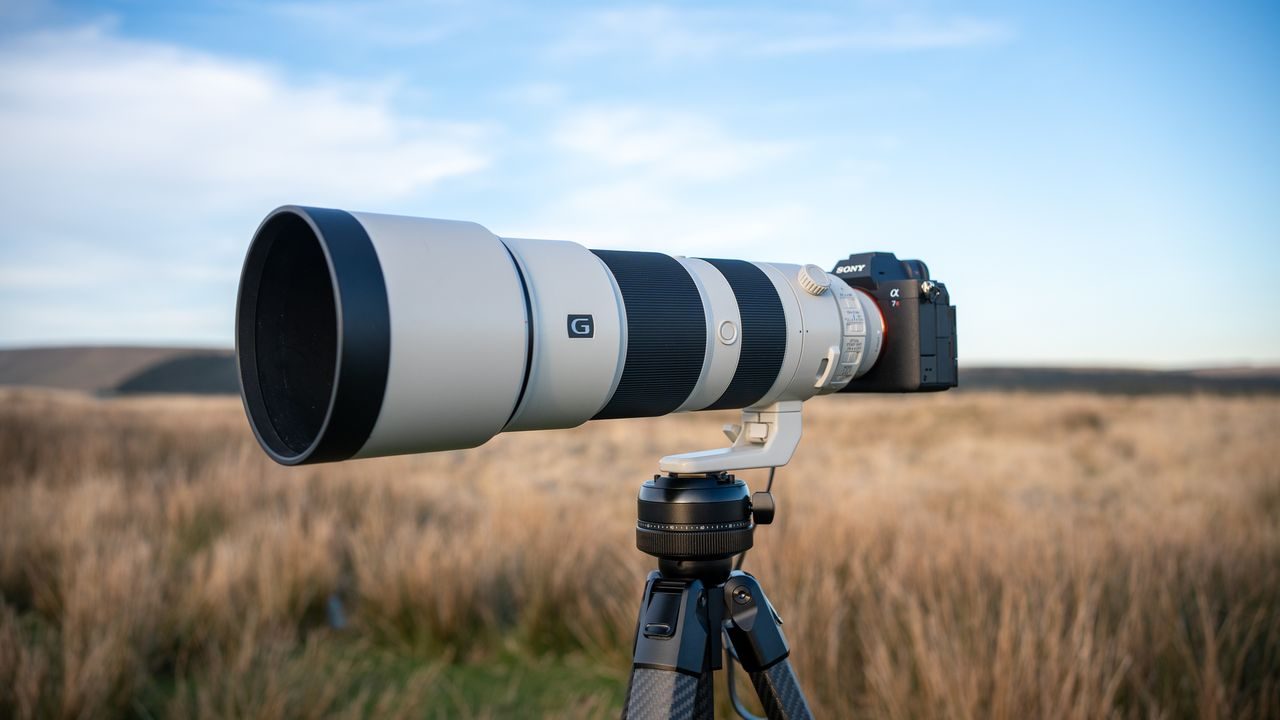
Wildlife photography has a way of humbling even the most prepared shooter. You’ve hiked to the right spot, you’ve waited in the cold, and then the moment arrives — and your lens simply doesn’t have the reach. That’s the problem the Sony FE 200-600mm f/5.6-6.3 G OSS is built to solve.
Covering a focal range of 200mm to 600mm, this super-telephoto zoom is designed specifically for situations where closing the distance isn’t an option. Whether you’re shooting birds in flight, large mammals on an open plain, or distant action across a sports field, the lens is engineered to bring the subject to you — optically, at least.
Reviewed by Kimberley Lane for Live Science, the lens earned a strong endorsement as a standout entry-level option in the super-telephoto category. Here’s what you need to know before buying.
What the Sony FE 200-600mm G OSS Actually Does
The Sony FE 200-600mm f/5.6-6.3 G OSS sits in Sony’s G-series lineup — one step below the premium G Master range, but still built to a high standard. It’s a zoom lens, which means you get flexibility across a wide range of distances rather than being locked into a single focal length.
At the wide end, 200mm gives you enough reach for moderate distances. At 600mm, you’re pulling in subjects that would be invisible to the naked eye. That combination makes it genuinely versatile in the field, where wildlife rarely cooperates with fixed-distance shooting.
The lens also features OSS — Optical SteadyShot — Sony’s in-lens image stabilization system. When you’re shooting handheld at 600mm, even the slightest movement can ruin a frame, so stabilization isn’t a luxury here. It’s essential.
It pairs naturally with Sony’s full-frame mirrorless camera bodies and is frequently recommended alongside some of the best wildlife cameras currently available for long-range setups.
Sony FE 200-600mm: Strengths and Weaknesses at a Glance
Based on the Live Science review, the lens has a clear set of strengths and a handful of real limitations worth knowing before you commit. No telephoto zoom at this price point is perfect, and the Sony 200-600mm is no exception — but the trade-offs are manageable for most wildlife shooters.
| What Works Well | What to Watch Out For |
|---|---|
| Versatile focal length for near and distant wildlife | Big and heavy lens to carry in the field |
| Sharp images at 600mm | Not the greatest performer in low light |
| Barely any chromatic aberration | No zoom lock mechanism included |
| Great value for money in the super-telephoto category | Won’t match G Master or prime lens image quality |
The sharpness at 600mm is particularly worth highlighting. Many zoom lenses lose meaningful quality at their maximum focal length — it’s one of the most common complaints in this category. The fact that this lens holds up well at the long end is a genuine advantage for wildlife photographers who will regularly be shooting at or near 600mm.
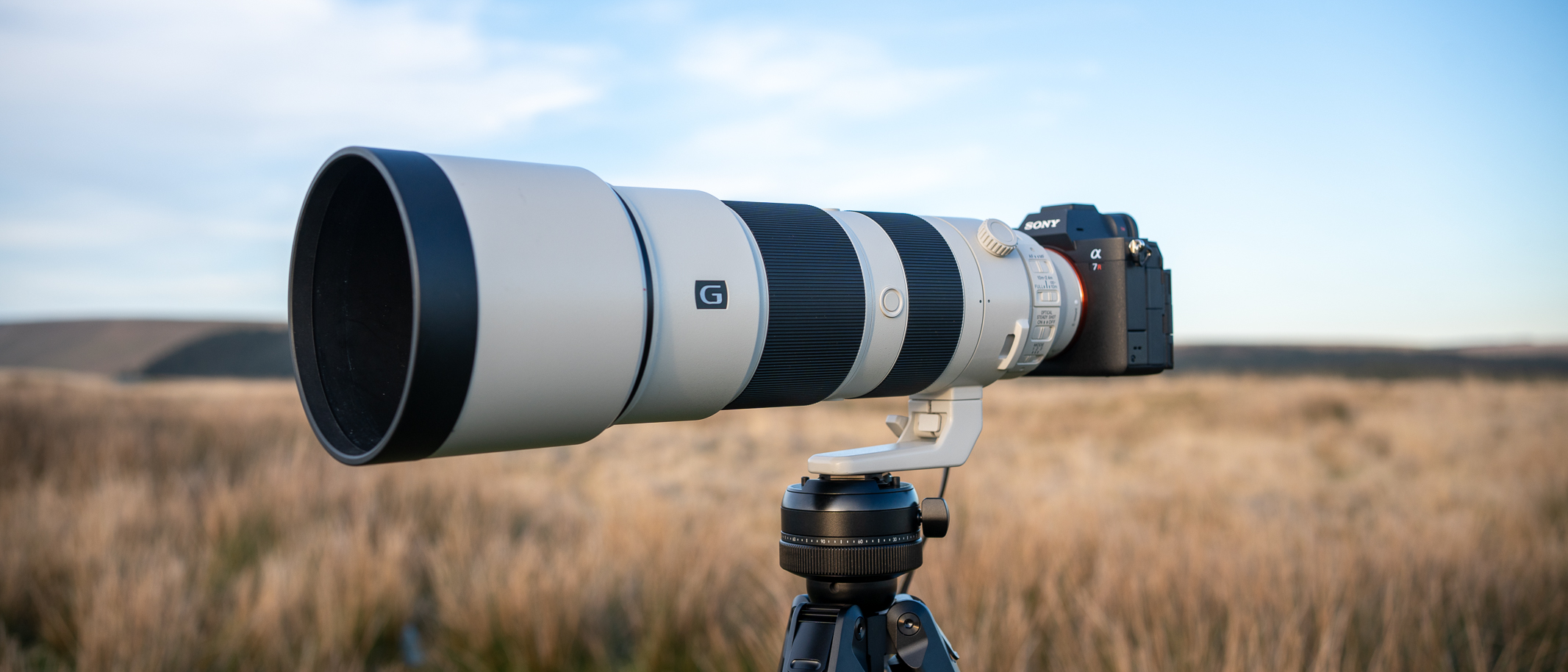
Chromatic aberration — the coloured fringing that appears around high-contrast edges in an image — is also kept well under control. This kind of optical flaw can require significant post-processing work to fix, so minimising it in-camera saves real time.
The Low-Light Limitation Is Worth Taking Seriously
The lens has a maximum aperture of f/5.6 at 200mm, narrowing to f/6.3 at 600mm. Those are relatively modest apertures for serious wildlife work, where shooting in the golden hour — or in shaded forest environments — is common.
A narrower aperture means less light reaches the sensor, which forces you to raise your ISO or slow your shutter speed to compensate. For fast-moving wildlife, a slower shutter speed isn’t an option. That means higher ISO, and higher ISO means more digital noise in your images.
This isn’t a flaw unique to Sony’s lens — it’s a physical reality of zoom lenses at this focal length and price point. Fast super-telephoto zooms exist, but they cost significantly more. What the review makes clear is that buyers should go in with realistic expectations for low-light performance, particularly at 600mm.
The absence of a zoom lock is a smaller but still practical concern. Without it, the lens barrel can creep when pointed downward — a minor irritation in the field that more experienced shooters will want to know about in advance.
Who This Lens Is Really Built For
The Live Science review positions the Sony FE 200-600mm f/5.6-6.3 G OSS as a fantastic entry-level option for anyone looking to start taking wildlife photography seriously. That framing matters.
This isn’t a lens for professionals who need the absolute best image quality regardless of cost. For that, Sony’s G Master lenses or dedicated prime telephoto lenses would be the appropriate choice. But for a photographer stepping up from a kit lens, or someone building their first serious wildlife kit, the 200-600mm offers a compelling combination of reach, sharpness, and value.
It’s already a popular choice among wildlife photographers, frequently paired with Sony’s best mirrorless bodies for long-range shooting. The focal range alone — stretching from a useful 200mm all the way to 600mm — means it can handle everything from medium-distance subjects to birds or animals far across open terrain.
If you’re weighing up your first serious wildlife lens and you’re already in the Sony ecosystem, this is one of the stronger options currently available at its price tier.
Frequently Asked Questions
Is the Sony FE 200-600mm f/5.6-6.3 G OSS good for beginners?
Yes — the Live Science review describes it as a fantastic entry-level option for anyone looking to start taking wildlife photography seriously.
How sharp is the lens at 600mm?
According to the review, the lens produces sharp images at 600mm, which is one of its standout strengths in the super-telephoto category.
Does the Sony 200-600mm have image stabilization?
Yes, it features Sony’s OSS (Optical SteadyShot) in-lens stabilization, which is particularly important when shooting handheld at longer focal lengths.
What are the main downsides of this lens?
The review identifies three key drawbacks: it is big and heavy, it performs less well in low light, and it does not include a zoom lock mechanism.
How does it compare to Sony G Master lenses?
The review notes it won’t match a G Master or a prime lens for image quality, but represents strong value for money given its position in the super-telephoto category.
Is chromatic aberration a problem with this lens?
No — the review specifically highlights that there is barely any chromatic aberration, which reduces the need for correction in post-processing.




Leave a Reply