
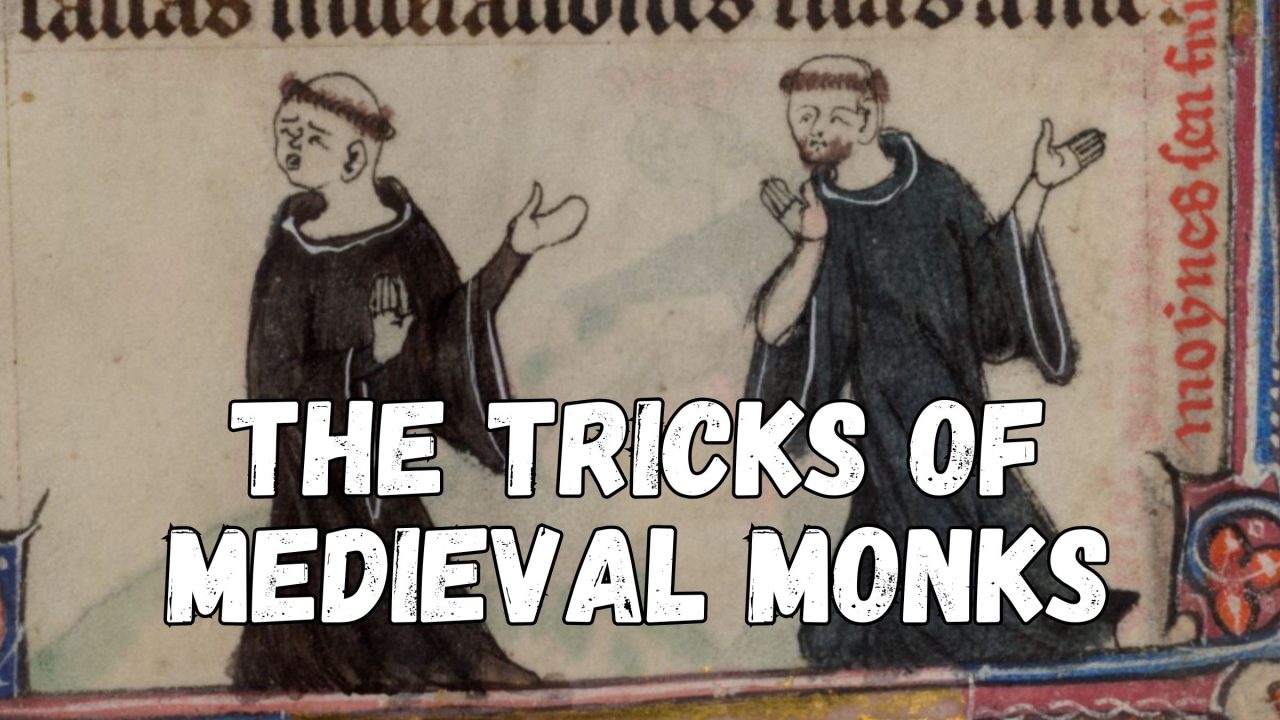
Religious fraud is not a modern invention. Long before televised faith healers and radio earpieces, monks in the medieval Christian world were reportedly staging elaborate fake miracles — and a thirteenth-century Arabic text called The Book of Charlatans documented exactly how they pulled it off.
The parallels across the centuries are striking. In the mid-1980s, investigators working with magician and skeptic James Randi exposed American televangelist Peter Popoff, who appeared to receive miraculous divine knowledge about audience members during his faith-healing revivals — their names, illnesses, and personal details. The reality was far more mundane: Popoff wore a hidden radio earpiece while his wife transmitted information backstage, gathered from prayer cards attendees had filled out before the service. It was one of the most notorious religious fraud exposés in modern American history.

What makes this story more than just a curiosity is what it connects to. The same human impulse to manufacture wonder — and to question it — turns out to have deep roots. Scholars studying medieval history have found that the tricks of the trade were being catalogued and criticized as far back as the 1200s, in an unexpected place: the Arabic-language literary tradition of the Islamic world.
What The Book of Charlatans Actually Reveals
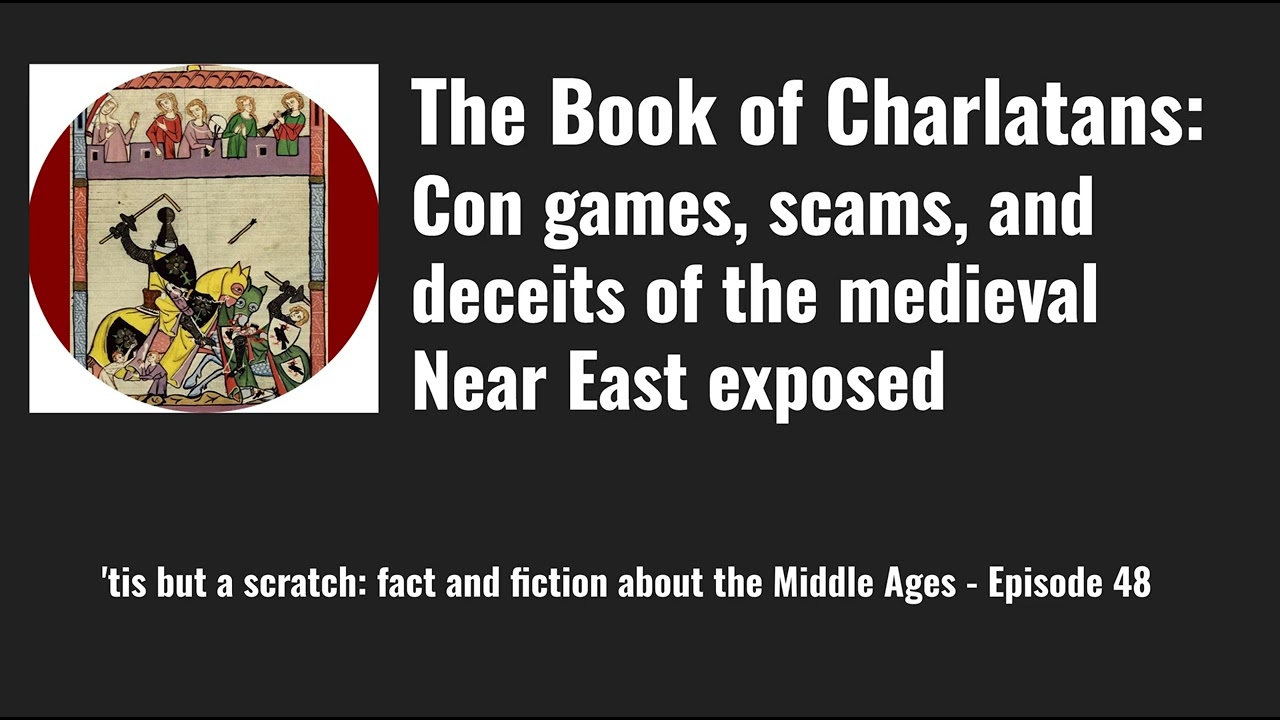
The Book of Charlatans is a thirteenth-century Arabic work that set out to expose frauds, con artists, and tricksters operating across medieval society. Among its targets were Christian monks who, according to the text, staged fake miracles to impress and deceive Christian audiences.
The book offers a remarkable window into a world where religious performance was both a tool of faith and a mechanism of manipulation. The author documented specific techniques — referred to as the “tricks of monks” — used to create the illusion of divine intervention. These weren’t vague accusations. They were practical exposés, written in the spirit of a skeptic pulling back the curtain.
The text also provides something historians rarely get: a Muslim observer’s detailed account of Christian religious practice in the medieval period. That cross-cultural perspective makes it a significant source not just for the history of fraud, but for understanding the complex and often overlooked relationship between medieval Muslim and Christian communities.
The Long History of Fake Miracles
Religious deception has always existed alongside genuine faith. What changes across time is the technology and the audience — not the underlying dynamic. Medieval monks reportedly used stagecraft and props. Peter Popoff used radio frequency technology. The goal in both cases was the same: convince an audience that something supernatural was happening when it wasn’t.
What the medieval Arabic record adds to this picture is context. The fact that a Muslim scholar in the thirteenth century found it worth documenting Christian fraudulent miracle-working suggests these practices were visible and widespread enough to be notable to outside observers. It wasn’t a secret whispered among insiders — it was apparently common enough to write a book about.
It also tells us something about how medieval audiences, Christian and Muslim alike, thought about miracles. Miracles were expected, sought after, and powerful. That’s precisely what made them exploitable.
Key Facts About the Source and Its Significance
| Detail | Information |
|---|---|
| Title of the medieval text | The Book of Charlatans |
| Century of composition | Thirteenth century |
| Language of the text | Arabic |
| Subject matter | Frauds, tricksters, and fake miracle-workers |
| Religious focus (relevant section) | Christian monks staging miracles for Christian audiences |
| Broader historical value | Insights into medieval Muslim–Christian relations |
| Modern parallel documented | Peter Popoff faith-healing fraud, exposed mid-1980s by James Randi investigators |
The text stands out because it crosses religious boundaries. A Muslim author writing critically about Christian religious fraud in the medieval period is itself a statement — one that suggests a level of cultural observation and interaction that popular history often underplays.
Why This Story Still Matters Today
Peter Popoff, it’s worth noting, did not disappear after James Randi’s exposure in the 1980s. According to ..” to audiences looking for hope and healing. The exposure didn’t end the enterprise. It rarely does.
That continuity is exactly what makes the medieval parallel so resonant. The Book of Charlatans was written more than 700 years ago, and it was already treating fake miracles as a known, documented problem — something that needed to be named, described, and warned against. The human appetite for miraculous experience, and the willingness of some to exploit it, appears to be a constant.
For historians, texts like this are invaluable. They show that skepticism isn’t a modern invention either. Medieval readers, like modern ones, were capable of asking hard questions about what they were being shown — and some writers were willing to answer those questions publicly.
What Researchers Are Learning From Medieval Muslim–Christian Encounters
The broader significance of The Book of Charlatans extends beyond the specific question of fake miracles. Scholars studying the medieval period have increasingly focused on the points of contact between Muslim and Christian cultures — the trade routes, the shared cities, the texts that crossed religious lines.
A Muslim author documenting the internal religious practices of Christian communities — critically, with specific detail — is evidence of real observation and real interaction. These weren’t cultures sealed off from each other. They watched each other, wrote about each other, and sometimes exposed each other’s frauds.
That kind of cross-cultural documentation is rare and valuable. It complicates the simple narrative of medieval religious conflict and replaces it with something more human: two communities, close enough to see each other clearly, and occasionally calling out what they saw.
Frequently Asked Questions
What is The Book of Charlatans?
It is a thirteenth-century Arabic text that documented frauds and tricksters in medieval society, including Christian monks who reportedly staged fake miracles for their audiences.
Who wrote The Book of Charlatans?
The specific author is not named in the available source material. It is described as a thirteenth-century Arabic work.
What kinds of tricks did medieval monks reportedly use?
The book refers to the “tricks of monks” used to stage miraculous-seeming events, though
Who was Peter Popoff, and what does he have to do with this?
Peter Popoff was an American televangelist who staged fake faith-healing revivals in the mid-1980s, using a hidden radio earpiece to receive information about audience members — an exposure carried out by investigators working with skeptic James Randi.
Why is a Muslim text about Christian fraud historically significant?
It offers rare evidence of direct cross-cultural observation in the medieval period and provides insights into the relationship between Muslim and Christian communities at the time.</p

Leave a Reply