
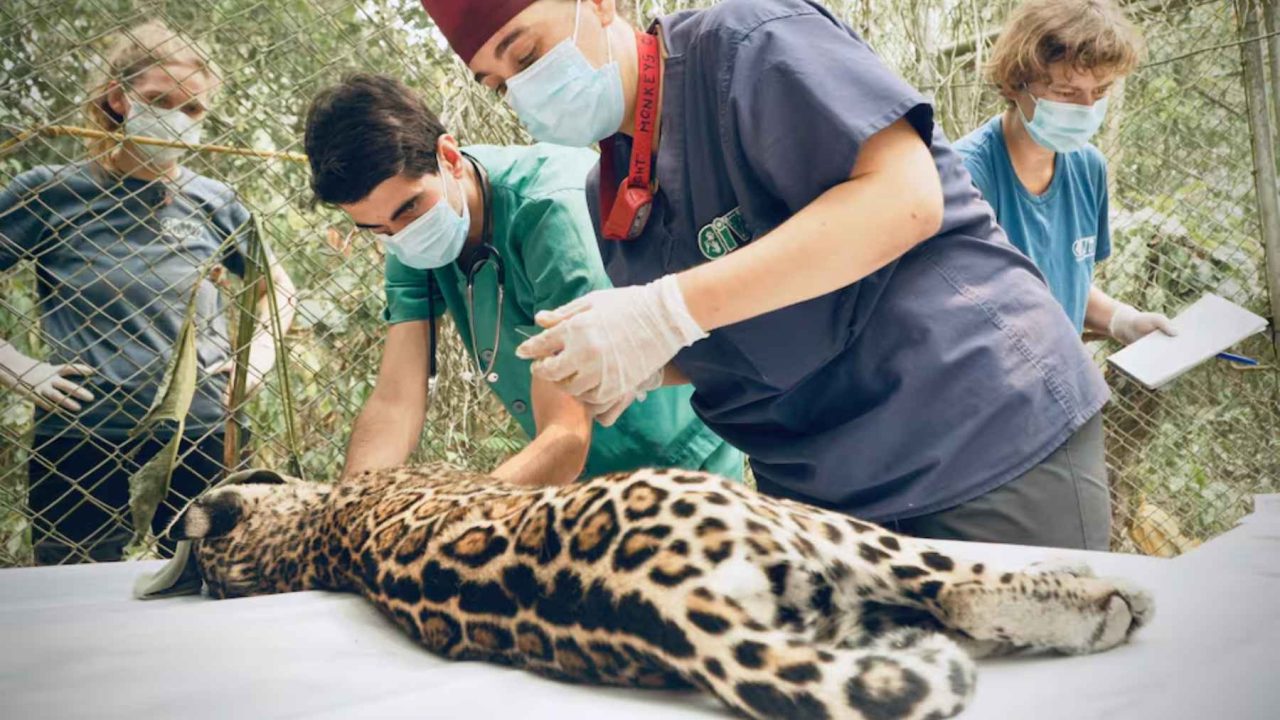
Bolivia is about to do something it has never done before — open a gate and watch a jaguar walk back into the wild. For a country where these big cats are routinely killed through poaching and human conflict, that single moment carries far more weight than it might appear.
The jaguar in question is a young female named Yaguara. After nearly two years of careful rehabilitation in the Bolivian Amazon, she is expected to be released back into her natural habitat in April 2026. Wildlife advocates say this is not just a milestone for one animal — it could reshape how Bolivia, and potentially all of South America, approaches big cat conservation.
The stakes are real, and the clock is already moving.
Bolivia’s First Jaguar Release — What’s Actually Happening
Yaguara’s story runs through the work of Tania Baltazar, a Bolivian wildlife advocate with more than three decades of experience rescuing animals from illegal trafficking. Known to friends and colleagues as “Nena,” Baltazar has described this release as potentially the biggest challenge she has faced in her career.
The rehabilitation was carried out by Comunidad Inti Wara Yassi (CIWY), a Bolivian wildlife organization operating a refuge called Ambue Ari. Located approximately 217 miles (350 kilometers) from Santa Cruz de la Sierra, the refuge sits near the Amazon and spans roughly 2,471 acres — about 1,000 hectares of land dedicated to rescuing and rehabilitating animals caught up in the illegal wildlife trade.
Ambue Ari is not a small operation. The refuge currently houses around 60 rescued animals representing approximately 20 different species. For many of them, it is the last stop after being pulled from trafficking networks. For Yaguara, it became the place where she learned, slowly and deliberately, how to be a jaguar again.
Why This Release Matters Beyond One Animal
Bolivia has never rehabilitated and released a jaguar back into the wild before. That fact alone makes this a historic moment. But the significance goes deeper than a conservation first.
Jaguars in Bolivia face a brutal combination of threats. Poaching remains a persistent problem. So does conflict with local communities and farmers who may view large predators as a direct threat to their livestock and livelihoods. Habitat loss compounds both issues. When a jaguar loses territory, it comes into closer contact with people — and those encounters rarely end well for the cat.
Releasing Yaguara into the wild is not just an act of conservation. It is, as observers have noted, a stress test for the entire system — wildlife law enforcement, habitat protection policies, and the fragile relationship between wild predators and the communities that share their landscape.
If this release succeeds, it could establish a replicable model for jaguar conservation across South America, where the species faces similar pressures in multiple countries. If it struggles, it will expose exactly where the gaps are.
Key Facts About the Yaguara Release
| Detail | Information |
|---|---|
| Jaguar’s name | Yaguara |
| Species | Jaguar (female) |
| Rehabilitation duration | Nearly two years |
| Expected release date | April 2026 |
| Rehabilitation organization | Comunidad Inti Wara Yassi (CIWY) |
| Refuge name | Ambue Ari |
| Refuge size | ~2,471 acres (1,000 hectares) |
| Distance from Santa Cruz de la Sierra | ~217 miles (350 km) |
| Animals currently at refuge | ~60 animals, ~20 species |
| Lead advocate | Tania Baltazar (“Nena”), 30+ years experience |
- This will be the first time Bolivia has ever released a rehabilitated jaguar into the wild
- Yaguara was rescued from illegal wildlife trafficking networks
- The release location is in or near the Bolivian Amazon
- CIWY’s Ambue Ari refuge functions as a rehabilitation center for trafficking victims across multiple species
The Threats That Make This So Difficult
Releasing a jaguar into the wild sounds straightforward. In practice, it is anything but. The challenges Yaguara will face the moment she steps beyond the refuge boundary are the same ones that have driven jaguar populations across South America into decline for decades.
Poaching networks remain active in Bolivia. Jaguars are targeted for their pelts, teeth, and bones — the latter increasingly in demand for use in traditional medicine markets, particularly in Asia. A jaguar moving through unprotected territory is a jaguar at risk.
Beyond poaching, the conflict between large predators and farming communities is one of the most persistent and difficult problems in big cat conservation anywhere in the world. A jaguar that takes livestock becomes an immediate target. Without strong community engagement and genuine economic alternatives for affected farmers, even a successful release can end in tragedy within weeks.
Advocates argue that Bolivia’s conservation infrastructure — law enforcement capacity, habitat corridors, community programs — will be tested by this release in ways that no amount of policy planning can fully anticipate.
What Happens After the Gate Opens
The release of Yaguara is expected to take place in April 2026, meaning the moment may already be approaching or imminent as this is published. What comes next will depend on factors both within and well beyond anyone’s control.
Wildlife teams will almost certainly monitor Yaguara’s movements after release, though the specifics of post-release tracking protocols have not been detailed in available reporting. The broader question — whether this becomes a repeatable conservation model or a cautionary tale — will likely take months or years to answer.
What is clear is that Bolivia’s conservation community, led by organizations like CIWY and advocates like Tania Baltazar, views this as a turning point. The country has never done this before. Whether it can do it successfully, and then do it again, is the question that will define jaguar conservation in Bolivia for years to come.
For a species under pressure across its entire South American range, one open gate in the Bolivian Amazon might matter more than it seems.
Frequently Asked Questions
Who is Yaguara?
Yaguara is a young female jaguar who was rescued from illegal wildlife trafficking and rehabilitated at the Ambue Ari refuge in Bolivia over nearly two years.
Has Bolivia ever released a rehabilitated jaguar before?
No. This will be the first time Bolivia has ever released a rehabilitated jaguar back into the wild.
Which organization is leading the release?
Comunidad Inti Wara Yassi (CIWY) led the rehabilitation at their Ambue Ari refuge, with wildlife advocate Tania Baltazar playing a central role.
Where is the Ambue Ari refuge located?
Ambue Ari is located approximately 217 miles (350 kilometers) from Santa Cruz de la Sierra, near the Bolivian Amazon.
What threats will Yaguara face after release?
Jaguars in Bolivia face ongoing threats from poaching and conflict with farming communities, both of which have driven population declines across South America.
Could this release influence jaguar conservation in other countries?
Advocates believe a successful release could establish a replicable model for jaguar rehabilitation and rewilding across South America, though the full impact will take time to assess.

Leave a Reply