
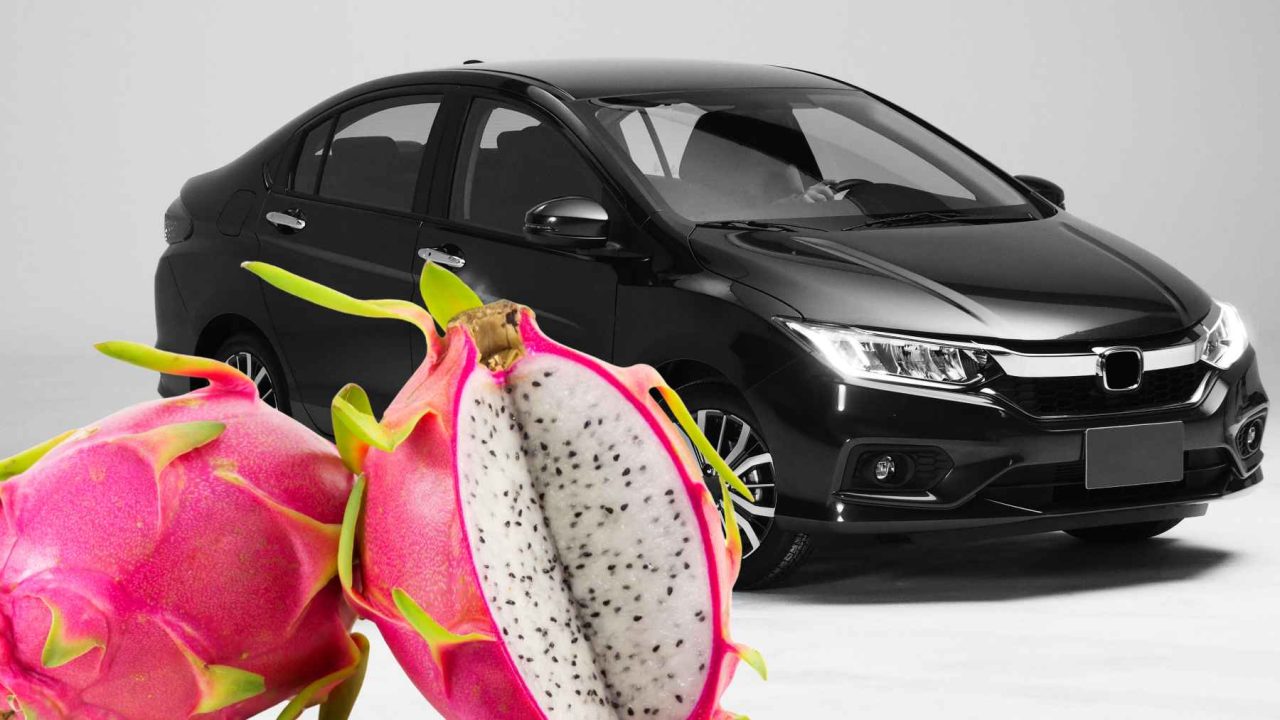
What if the peels you throw away every time you eat dragon fruit could end up inside the battery powering an electric car or a drone? That is not a hypothetical anymore. A team of researchers in China has done exactly that — and the process is simpler than you might expect.
The team took pitaya peels, known in the United States as dragon fruit peels, and converted them into a functional carbon film using a single heating process. That film now works as a helper layer inside a lithium-sulfur battery — one of the most promising but frustrating battery technologies in development today.
The research is still at an early stage. No one is selling dragon fruit peel batteries at a car dealership yet. But the underlying idea — turning agricultural waste into battery components — has real practical appeal, and the science behind it is worth understanding.
Why Lithium-Sulfur Batteries Keep Falling Short
Lithium-sulfur batteries have been talked about for years as a potential step beyond the lithium-ion batteries that power most electric vehicles and consumer electronics today. The appeal is significant: sulfur is cheap, abundant, and lightweight. Batteries built around it could theoretically store more energy per pound than current options, which matters enormously for electric cars, drones, and aircraft where weight is a constant constraint.
The problem is chemistry. During charging and discharging, lithium-sulfur batteries produce compounds called polysulfides, which dissolve into the battery’s liquid electrolyte and migrate around inside the cell. Over time, this causes the battery to degrade faster than it should. Capacity drops. Performance becomes unreliable. That polysulfide migration problem has been one of the core obstacles preventing lithium-sulfur batteries from reaching mass production.
This is where the dragon fruit peel comes in.
The Chemical Trick That Makes Dragon Fruit Peels Useful
The researchers used a process called carbonization — essentially heating organic material in a controlled environment until it transforms into a carbon-rich structure. The key here is that the process was done in a single step, which keeps it simple and potentially scalable.
When dragon fruit peels go through this one-step carbonization, they become a self-supporting carbon film. That means the film holds its shape without needing to be bonded to another material. It can be placed directly inside the battery as a standalone layer.
That layer is called a functional interlayer. It sits between parts of the battery and acts as a physical and chemical barrier. The goal is to slow down or stop the polysulfide compounds from migrating freely through the battery — addressing one of the main reasons lithium-sulfur batteries degrade so quickly.
The fruit itself is almost beside the point. The real insight is that agricultural waste, which is cheap and plentiful, can produce a carbon film with the right structural properties to serve this role. Dragon fruit peels happen to work. Other organic waste materials may work too — that is part of what makes this line of research interesting beyond just the headline.
What This Research Actually Confirms — and What It Does Not
| Claim | Status |
|---|---|
| Dragon fruit peels can be converted into a carbon film via one-step carbonization | Confirmed by the study |
| The carbon film works as a functional interlayer in a lithium-sulfur battery | Confirmed by the study |
| The interlayer helps address polysulfide migration issues | Confirmed as the intended function |
| This technology is ready for use in commercial electric vehicles | Not confirmed — still at research stage |
| Dragon fruit peel batteries will reach consumers soon | Not confirmed — timeline unknown |
That distinction matters. A lot of promising battery research never makes it out of the lab. The jump from a working prototype layer to a commercially viable battery cell to a product inside a vehicle involves years of engineering, safety testing, and manufacturing development. This study is a real step, but it is one step in a long process.
Who Stands to Benefit If This Pans Out
The potential applications named in the research point toward industries where energy density and weight are critical factors.
- Electric vehicles — A lighter, higher-capacity battery could extend range without adding weight, one of the most persistent challenges in EV design.
- Drones — Commercial and industrial drones are extremely sensitive to battery weight. Better energy density directly translates to longer flight times.
- Aircraft — Electric aviation is in its early stages, but it faces severe battery limitations. Lithium-sulfur technology, if it can be made reliable, would be a significant development for that sector.
There is also an environmental angle that goes beyond the battery itself. Agricultural waste is a real problem in food production systems worldwide. Dragon fruit cultivation generates large volumes of peel waste. Finding industrial uses for that waste — particularly high-value uses like battery components — addresses two problems at once: waste disposal and the demand for battery materials.
Supporters of bio-derived materials research argue that sourcing battery components from agricultural byproducts could reduce dependence on mining-intensive materials and lower the overall environmental cost of battery manufacturing. That argument is still theoretical at this scale, but it is part of why this type of research attracts attention.
Where This Research Goes From Here
The study, titled “Pitaya peel-derived carbon film through one-step carbonization as a functional interlayer for lithium sulfur battery,” establishes that the concept works at a laboratory level. The next stages would typically involve testing durability over many charge and discharge cycles, scaling up production of the carbon film, and integrating it into full battery cells under real-world conditions.
No timeline for commercial development has been confirmed. The research team has not announced partnerships with battery manufacturers or automakers based on the available information. What exists right now is a proof of concept — and a genuinely interesting one.
The broader field of lithium-sulfur battery research is active and competitive. Multiple research groups around the world are working on the polysulfide problem from different angles. This approach, using waste-derived carbon films as interlayers, represents one viable path among several being explored simultaneously.
Frequently Asked Questions
What did Chinese researchers actually do with dragon fruit peels?
They used a one-step carbonization process to convert dragon fruit peels into a self-supporting carbon film, which was then placed inside a lithium-sulfur battery as a functional interlayer.
What is a functional interlayer in a battery?
It is a helper layer placed inside the battery that is designed to keep the battery chemistry working more smoothly — in this case, by addressing the migration of polysulfide compounds that cause lithium-sulfur batteries to degrade.
Are dragon fruit peel batteries available in electric cars now?
No. This research is at an early laboratory stage and is not yet ready for commercial use in electric vehicles or any other consumer product.
Why are lithium-sulfur batteries considered promising?
Sulfur is cheap, abundant, and lightweight, which means batteries built around it could theoretically store more energy per pound than current lithium-ion batteries — a major advantage for electric vehicles and aircraft.
Could other types of agricultural waste be used the same way?
What is the name of the study behind this research?
The study is titled “Pitaya peel-derived carbon film through one-step carbonization as a functional interlayer for lithium sulfur battery.”


Leave a Reply