
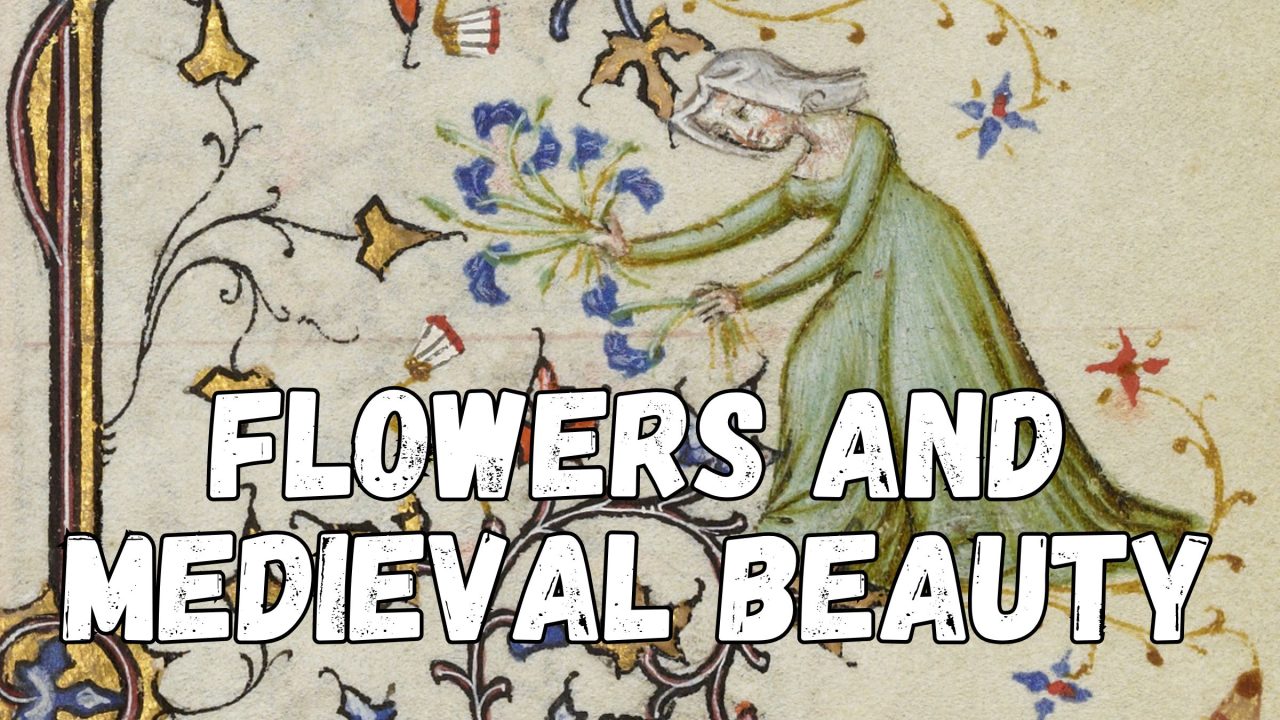
Long before the modern beauty industry existed, medieval people were crafting sophisticated skincare routines using ingredients pulled straight from the garden. Roses, violets and lilies weren’t just pretty flowers — they were the active ingredients in ointments, perfumes, hair treatments and even toothpaste used across medieval Europe.
New research published by Medievalists.net, written by Lorris Chevalier, sheds light on just how developed medieval cosmetic culture really was. Drawing on historical medical and beauty texts, the work reveals a world where caring for your skin was considered both a health practice and an aesthetic one — and where flowers sat at the heart of it all.
If you’ve ever assumed that beauty routines are a modern invention, medieval history has a few things to say about that.
Why Flowers Were Central to Medieval Beauty and Medicine
In the Middle Ages, the line between medicine and cosmetics was blurry by design. Treating the body well was understood as both therapeutic and aesthetic — keeping skin clear and youthful wasn’t vanity, it was part of maintaining good health.
Flowers played a central role in that system. Medieval treatises on medicine and beauty regularly featured floral ingredients in remedies designed to heal wounds, soothe the body, perfume the skin and improve the complexion. The most commonly referenced flowers were roses, violets and lilies, each of which appeared across dozens of different preparations.
These weren’t folk remedies scribbled in the margins of obscure manuscripts. They appeared in major, widely circulated medical texts of the era — works that were considered authoritative references for physicians and healers across Europe.
The Key Medieval Texts Behind These Beauty Secrets
Several foundational texts documented these floral beauty practices in detail. According to Chevalier’s research, the most significant sources include:
- The Trotula — a collection of medieval texts on women’s medicine and cosmetics, widely used across Europe
- Guy de Chauliac’s Great Surgery — a major medical reference that incorporated floral preparations into its treatments
- The writings of Aldebrandin of Siena — another key medieval authority who documented floral ingredients in health and beauty remedies
Together, these texts illustrate how deeply embedded flowers were in the medieval understanding of bodily care — not as decorative afterthoughts, but as functional, medicinal ingredients.
What Medieval Beauty Treatments Actually Looked Like
The range of preparations described in these texts is surprisingly broad. Flowers were processed and used in multiple forms depending on the intended purpose.
| Preparation Type | Common Floral Ingredients | Intended Use |
|---|---|---|
| Ointments | Roses, lilies, violets | Skin treatment, wound healing, complexion care |
| Syrups | Roses, violets | Internal remedies, body health |
| Floral waters | Roses | Skin cleansing, perfuming the body |
| Oils | Roses, lilies | Haircare, skin softening |
| Powders | Various floral extracts | Complexion enhancement, hygiene |
| Toothpaste preparations | Floral ingredients | Oral hygiene |
The breadth of these preparations shows that medieval beauty culture extended well beyond simple skin creams. Hair, teeth, body odour and complexion were all addressed through floral-based treatments documented in these texts.
The Medieval Beauty Ideal These Treatments Were Designed to Achieve
Understanding what medieval people were actually trying to achieve with these treatments adds important context. According to the research, one of the dominant beauty ideals of the period was a clear, pale complexion — and many of the floral preparations described in the texts were specifically designed to help achieve that look.
This wasn’t purely about appearance in the modern sense. In medieval culture, a clear complexion was also associated with health and bodily balance. The cosmetic and the medicinal were genuinely intertwined — using a rose-based ointment to brighten the skin was simultaneously understood as a health-promoting act.
That framing is quite different from how we tend to think about beauty products today, where cosmetics and medicine occupy strictly separate categories. In the medieval world, that distinction simply didn’t exist in the same way.
What This Tells Us About Medieval Life That Most People Get Wrong
The popular image of the Middle Ages as a period of grime, ignorance and neglect of the body doesn’t hold up well against the historical record. The existence of detailed, systematic cosmetic literature — covering everything from skincare to haircare to oral hygiene — points to a culture that took bodily care seriously.
Medieval physicians and healers weren’t guessing randomly. They were working within structured intellectual frameworks, drawing on classical sources and building their own traditions of observation and practice. The fact that flowers occupied such a central place in these traditions reflects both the practical availability of floral ingredients and a sophisticated understanding of their properties.
Roses, in particular, appear with remarkable consistency across the texts. Their use in floral waters for skin cleansing, in oils for haircare and in ointments for wound healing suggests they were considered one of the most versatile and valuable cosmetic ingredients available.
Violets and lilies followed close behind, each appearing in multiple preparation types across multiple authoritative texts — a sign that their value was broadly recognised, not just the preference of a single author or region.
Frequently Asked Questions
Which flowers were most commonly used in medieval beauty treatments?
According to the research, roses, violets and lilies were the most frequently mentioned floral ingredients in medieval cosmetic and medical texts.
What medieval texts documented these beauty practices?
The key sources identified in the research include the Trotula, Guy de Chauliac’s Great Surgery, and the writings of Aldebrandin of Siena.
Did medieval people really use flowers in toothpaste?
Yes — the research notes that floral ingredients appeared in toothpaste preparations alongside ointments, oils, powders and floral waters.
What beauty ideal were medieval people trying to achieve?
The research highlights a clear, pale complexion as one of the dominant beauty ideals of the period, which many floral preparations were specifically designed to support.
Was medieval cosmetic use considered medicine or just vanity?
In medieval culture, the two were closely linked. Caring for the body was understood as both a therapeutic and aesthetic endeavour, meaning cosmetic treatments were also seen as health-promoting practices.
Who wrote the research on medieval beauty and flowers?
The research was written by Lorris Chevalier and published by Medievalists.net.

Leave a Reply