
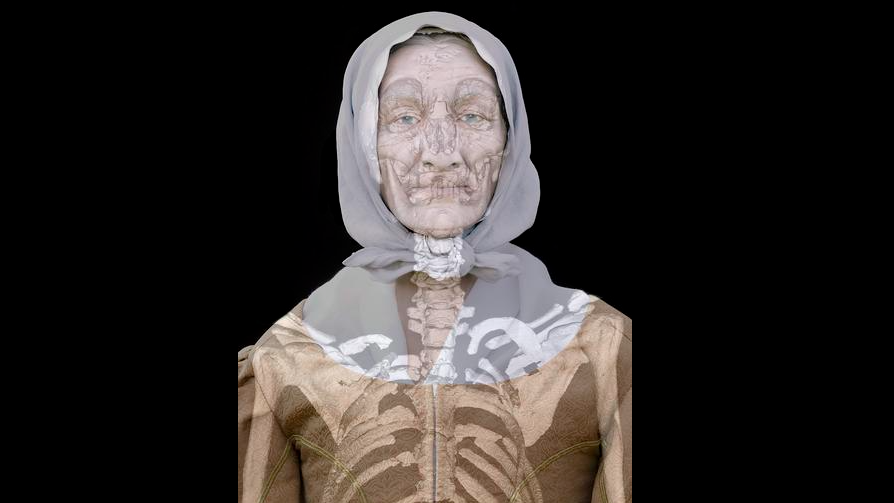
Buried in a gable-lidded coffin, wrapped in a shroud, and laid to rest among some of Maryland’s most distinguished Colonial families — the remains of an 8-year-old boy have quietly waited more than three centuries to tell his story. Now, researchers say that story is far more complicated, and far more important, than anyone expected.
A new study published May 14 in the journal Current Biology has identified the boy as having largely African-derived ancestry, with approximately 25% to 30% European ancestry. He was born in America, according to isotope analysis of his skeleton, and he died sometime between 1667 and 1704. He was found buried alongside white colonists in St. Mary’s City — Maryland’s very first Colonial settlement.
Whether he was enslaved, the child of an indentured servant, or something else entirely, researchers say they cannot yet confirm. But the fact that he was buried with the same dignity and care as the European-ancestry colonists around him has raised profound questions about race, status, and identity in early American history.
What the Researchers Found at St. Mary’s City
St. Mary’s City was founded in 1634 as the capital of the British colony of Maryland. The study examined DNA from a few dozen 17th-century skeletons recovered from the settlement’s cemetery, making it one of the most detailed genetic investigations of early Colonial America conducted to date.
Among those buried there were two indentured servants and the young boy whose ancestry set him apart from everyone else in the burial ground. The researchers noted that the Maryland colony itself was established by people with genetic ancestry tracing back primarily to western England and Wales — a finding that adds geographic specificity to what had previously been understood in only broad strokes.
The boy’s burial was treated with clear intentionality. He was wrapped in a shroud and placed in a gable-lidded coffin — the same type of careful burial preparation afforded to the European-ancestry individuals surrounding him. That detail alone complicates any simple narrative about how African-ancestry individuals were treated in this period.
The researchers described the discovery as a “significant finding that warrants additional consideration,” acknowledging that the burial raises more questions than it currently answers.
The Part of This Story That Can’t Be Confirmed Yet
One of the most striking aspects of this case is what remains unknown. Researchers have not been able to determine whether the boy was enslaved, the child of an enslaved person, the child of an indentured servant, or free-born. The historical record from this specific period in Maryland is incomplete enough that no definitive conclusion has been reached.
What the science does confirm is that he was born in America. The chemical signature of isotopes preserved in his bones rules out the possibility that he was transported from Africa. His mixed ancestry — predominantly African with a notable European component — suggests a family history already shaped by the blending of populations that was beginning to define Colonial America.
The ambiguity surrounding his legal and social status reflects a broader historical reality: in the mid-to-late 17th century, the legal boundaries between slavery and indentured servitude in Maryland were still being codified. The rigid racial hierarchies that would define the 18th and 19th centuries were not yet fully entrenched at the time of his death.
Key Details From the Study at a Glance
| Detail | Finding |
|---|---|
| Age at death | Approximately 8 years old |
| Estimated date of death | Between 1667 and 1704 |
| Ancestry | Majority African-derived; approximately 25%–30% European |
| Birthplace (isotope evidence) | Born in America |
| Burial type | Shroud-wrapped, gable-lidded coffin |
| Buried alongside | European-ancestry colonists, two indentured servants |
| Study published | May 14, journal Current Biology |
| Colonial ancestry of Maryland settlers | Primarily western England and Wales |
- St. Mary’s City was founded in 1634 as Maryland’s first Colonial capital
- The study analyzed DNA from several dozen 17th-century skeletons
- The boy’s burial treatment was consistent with that of surrounding European-ancestry individuals
- His legal status — enslaved, free, or otherwise — has not been determined
Why This Discovery Matters Beyond the Archaeology
For historians and descendants of enslaved Americans alike, findings like this carry weight that extends well beyond academic journals. The physical evidence of how this child was buried — with apparent care and ceremony — challenges assumptions about the absolute dehumanization of African-ancestry individuals even in early Colonial slavery.
It also forces a more honest reckoning with how early American society was actually structured on the ground, as opposed to how it was later remembered or legally codified. The presence of indentured servants alongside a possibly enslaved child in the same burial ground suggests a social complexity that does not fit neatly into later narratives.
The genetic evidence about the founders of Maryland’s first settlement — their roots in western England and Wales — also adds a layer of specificity to the story of who built early America and where they came from.
What Comes Next for This Research
The study’s authors have indicated that the boy’s burial warrants further investigation. Researchers are expected to continue examining the skeletal and genetic record from St. Mary’s City to better understand the social dynamics of 17th-century Maryland Colonial life.
Advances in ancient DNA analysis and isotope science mean that questions once considered permanently unanswerable are now being reopened. The identity of individuals like this boy — their origins, their relationships, their place in society — can increasingly be reconstructed from biological evidence even when historical documents are silent.
For now, this child remains unnamed. But his bones have already told researchers something that centuries of written history could not: that the story of Colonial America’s earliest years was more racially and socially entangled than the official record ever fully acknowledged.
Frequently Asked Questions
Where was the 8-year-old boy found?
He was found buried in a cemetery at St. Mary’s City, Maryland’s first Colonial settlement, founded in 1634.
Was the boy enslaved?
Researchers have not been able to confirm his legal status. It remains unclear whether he was enslaved, the child of an indentured servant, or free-born.
How do researchers know he was born in America?
Isotope analysis of his skeletal remains provided a chemical signature consistent with a North American birthplace, ruling out transport from Africa.
What was his ancestry?
The boy had largely African-derived ancestry, with approximately 25% to 30% European ancestry, according to DNA analysis conducted for the study.
Where was the study published?
The findings were published on May 14 in the peer-reviewed journal Current Biology.
Who else was buried in the same cemetery?
The cemetery contained European-ancestry colonists from distinguished local families, as well as two individuals identified as indentured servants, alongside the boy.



Leave a Reply