
Forty-three million metric tons of lithium carbonate equivalent — sitting beneath a patch of northern Germany that most people only knew for its natural gas wells. That figure, confirmed by an independent assessment released in September 2025, has put the Altmark region of Saxony-Anhalt at the center of a conversation Europe has been waiting years to have.
The discovery doesn’t come from a newly explored frontier. It comes from ground that was already drilled, already mapped, and already connected to pipelines. The question is whether that industrial legacy becomes an unexpected advantage — or just a complicated starting point.
Here’s what we know, what it means, and why the timing matters for anyone who drives an electric car, charges a phone, or pays attention to where Europe’s energy future is actually headed.
What Was Found Beneath the Old Gas Fields
On September 24, 2025, Neptune Energy announced that an independent resource assessment had placed its Altmark lithium project at 43 million metric tons of lithium carbonate equivalent — roughly 47 million U.S. tons. The assessment was carried out by Sproule ERCE, an established resource evaluation firm.
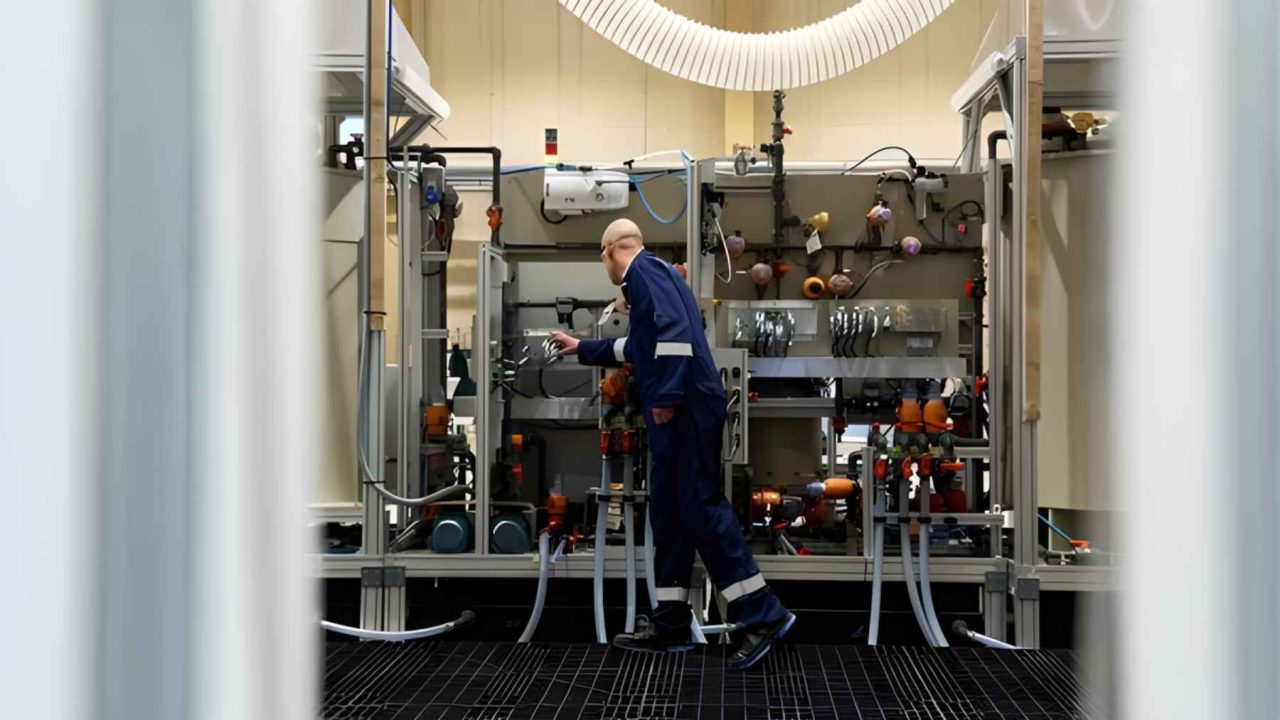
The lithium isn’t sitting in rock that needs to be blasted open. It’s dissolved in deep, hot, salty water — known as brine — that lies far underground in the same geological system that once supported the region’s gas production. The approach being studied involves drawing that brine up to the surface, extracting the lithium, and then managing the remaining fluid.
Neptune Energy says pilot tests have already produced battery-grade lithium carbonate from the Altmark brine. That’s a meaningful step. Producing lithium at the right purity level for battery manufacturing is a technical hurdle many projects fail to clear early on, and clearing it in a pilot phase matters for credibility.
Why the Altmark Lithium Find Is Significant for Europe
Lithium is one of the core materials inside the batteries that power electric vehicles, consumer electronics, and grid-scale energy storage systems. As Europe pushes to expand renewable energy and reduce dependence on fossil fuels, demand for battery materials has grown steadily — and so has the pressure to source those materials closer to home.
Right now, the global lithium supply chain runs heavily through South America and Australia, with refining concentrated in Asia. Europe has been largely dependent on imports at every stage, from raw material to processed battery-grade product. A domestic deposit of this scale, if it can be developed reliably, changes that equation.
The Altmark region’s existing infrastructure — the wells, the pipes, the industrial sites built around decades of gas production — could reduce some of the upfront costs and permitting complexity that typically slow new mining projects. Rather than building from scratch in a remote location, developers would be working in a region that already has roads, energy connections, and an industrial workforce.
Key Facts at a Glance
| Detail | Information |
|---|---|
| Announcement date | September 24, 2025 |
| Company behind the project | Neptune Energy |
| Assessment firm | Sproule ERCE |
| Estimated resource size | 43 million metric tons of lithium carbonate equivalent |
| U.S. equivalent estimate | Approximately 47 million U.S. tons |
| Location | Altmark region, Saxony-Anhalt, northern Germany |
| Extraction method being studied | Deep brine extraction (no open-pit mining) |
| Pilot test result | Battery-grade lithium carbonate successfully produced |
- The lithium is found in underground brine, not hard rock
- The region was previously developed for natural gas production
- Existing infrastructure from the gas era may support the transition
- Pilot-scale extraction has already demonstrated battery-grade output
Who This Actually Affects — and How
For European automakers and battery manufacturers, a confirmed domestic lithium resource this size is significant. The electric vehicle industry has faced repeated warnings about supply chain vulnerability, particularly around critical minerals. A deposit of this scale in Germany — the continent’s largest car-producing nation — sits in the right geography at the right moment.
For the Altmark region itself, the transition from a gas-based economy to a potential lithium-supply hub represents a real economic shift. Communities built around fossil fuel extraction have faced difficult futures as gas production winds down. A brine-based lithium operation, if it moves toward commercial scale, could preserve industrial employment in a region that might otherwise face decline.
For everyday consumers, the connection is less immediate but still real. A more stable, European-sourced lithium supply could reduce some of the cost pressures and supply disruptions that have affected battery prices in recent years. It won’t happen overnight, but the foundation for a different supply picture is being laid.
The method being studied also matters environmentally. Brine extraction avoids the landscape disruption of open-pit lithium mining, which has drawn criticism in parts of South America for its impact on water resources and ecosystems. Supporters of the Altmark approach argue it carries a lighter environmental footprint — though full-scale operations would require thorough assessment before that claim could be confirmed.
What Comes Next for the Altmark Lithium Project
The resource assessment is a key milestone, but it is not a production decision. Moving from an estimated resource to an operational lithium supply involves permitting, environmental review, engineering design, financing, and scaling up what the pilot tests have demonstrated.
Neptune Energy has not yet announced a commercial production timeline based on the available source material. What the September 2025 announcement confirmed is that the resource is real, independently assessed, and capable of producing battery-grade material at pilot scale. Those are the necessary early steps — not the finish line.
Europe’s push to build a domestic battery supply chain has accelerated in recent years, driven by both climate policy and supply security concerns. The Altmark project fits into that broader effort, but the path from geological assessment to reliable production is long, and the industry has seen promising projects stall at various stages before.
For now, Germany has confirmed something genuinely significant sits beneath its soil. What happens with it is the next chapter.
Frequently Asked Questions
Who announced the Altmark lithium discovery?
Neptune Energy announced the independent resource assessment on September 24, 2025. The assessment was conducted by Sproule ERCE.
How large is the Altmark lithium deposit?
The independent assessment put the deposit at 43 million metric tons of lithium carbonate equivalent, which is approximately 47 million U.S. tons.
Where exactly is the Altmark region?
The Altmark region is located in Saxony-Anhalt in northern Germany, an area previously known for natural gas production.
How would the lithium be extracted?
The plan involves drawing up deep underground brine — hot, salty water carrying dissolved lithium — rather than open-pit mining. The lithium is then separated from the brine at the surface.
Has any lithium actually been produced from this site yet?
Yes, at a pilot scale. Neptune Energy says pilot tests have already produced battery-grade lithium carbonate from the Altmark brine.
When could the project reach commercial production?
A commercial production timeline has not yet been confirmed in the available information. The current stage involves resource assessment and pilot testing, with full development still subject to permitting, engineering, and financing decisions.



Leave a Reply