
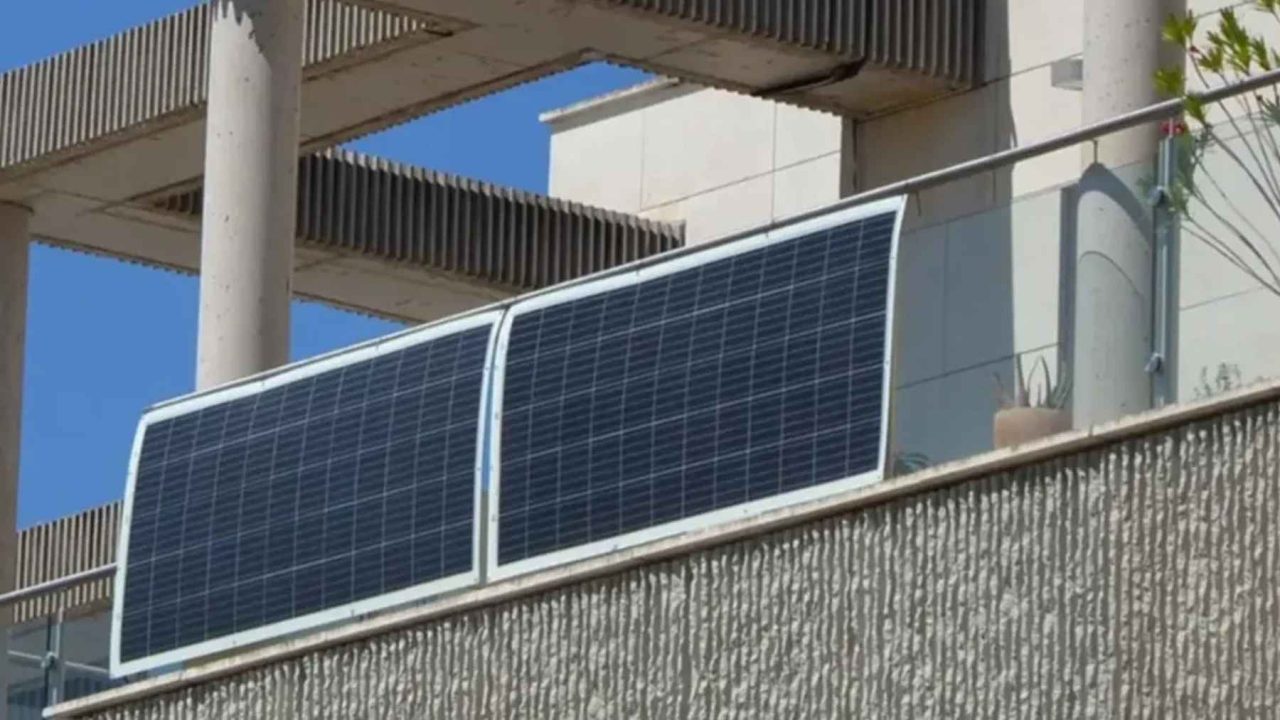
A resident cut his electricity bill by more than one-third using a small solar kit mounted on his apartment balcony. A district court in Poland then ordered him to take it down. That tension — between personal energy savings and the rules that govern shared buildings — is now drawing attention far beyond the city of Gdańsk.
The case raises a question that millions of apartment dwellers across Europe and beyond are quietly asking: does living in a building with shared walls and shared decisions mean you give up the right to make your own clean-energy choices?
The answer, at least in this instance, appears to be yes — and the details of how it happened are worth understanding.
What Happened in Gdańsk
The resident at the center of the case, identified in Polish and Spanish-language reports as Krzysztof, installed a balcony solar panel kit in a building managed by the Młyniec housing cooperative in Gdańsk, Poland. The setup worked exactly as intended. His electricity costs dropped by more than one-third, a meaningful saving by any measure.
Krzysztof did not simply put the panels up and hope no one noticed. According to local reporting, he first asked the cooperative for permission and was told he would need support from more than half of the eligible neighbors in the building. He went out and collected signatures from around 60% of them. He also submitted a technical opinion from a construction expert to support his case.
By most reasonable standards, he had done the work. The cooperative, however, later challenged the installation. A district court sided with the cooperative and ordered the panels removed.
The core legal issue was not whether the panels were dangerous or ineffective. It was about who has authority over the balcony space in a shared residential building — and whether one resident’s energy upgrade, even a popular one, can override the rules that govern collectively owned property.
The Balcony Solar Panel Debate This Case Has Sparked
What makes this story resonate beyond Gdańsk is how ordinary the situation is. Balcony solar kits — small, plug-in photovoltaic systems designed specifically for apartment residents — have become increasingly popular across Europe as energy prices have risen and people look for practical ways to lower their bills without major renovation work.
They are relatively affordable, easy to install, and do not require connection to the building’s main electrical infrastructure in the way that rooftop systems do. For renters and apartment owners who have no access to a roof or garden, they represent one of the few realistic options for generating any personal renewable energy at all.
But shared buildings come with shared rules. Housing cooperatives, homeowners’ associations, and building management bodies often have authority over what can be attached to exterior surfaces — including balconies — regardless of whether individual residents own their units. The tension between personal autonomy and collective governance is not new, but the rise of home energy technology has pushed it into unfamiliar territory.
Key Facts From the Case
| Detail | What the Source Reports |
|---|---|
| Location | Gdańsk, Poland |
| Building management | Młyniec housing cooperative |
| Resident identified as | Krzysztof |
| Reported electricity savings | More than one-third reduction in costs |
| Neighbor support obtained | Approximately 60% of eligible neighbors |
| Supporting documentation submitted | Technical opinion from a construction expert |
| Court outcome | District court ordered panels removed |
- Krzysztof proactively sought permission before installing the panels
- The cooperative set a threshold of majority neighbor support as a condition
- He exceeded that threshold, reaching approximately 60% approval
- Despite meeting the stated conditions, the cooperative still challenged the installation
- The district court ruled in favor of the cooperative, not the resident
Why This Outcome Matters to Anyone in an Apartment
If you rent or own a flat, this case is a direct signal about the limits of what you can do — even when you follow the rules as they were explained to you.
Krzysztof was told he needed majority support. He got it. He brought in an expert. He still lost. That sequence of events suggests that in buildings governed by housing cooperatives or similar bodies, meeting informal conditions may not be enough. The formal legal authority over shared structures can override individual effort, community support, and practical benefit combined.
For advocates of residential clean energy, the ruling highlights a structural problem. Building-level governance frameworks were largely designed before small-scale renewable technology existed. They were not written with balcony solar kits in mind, and they do not always have clear, fair pathways for residents who want to make energy upgrades that affect only their own unit and their own bill.
Critics of overly restrictive cooperative rules argue that blocking proven, low-impact technology — especially when a clear majority of neighbors support it — works against broader energy transition goals. Supporters of the cooperative’s position contend that consistent rules around shared property exist for good reasons, and that exceptions, however sympathetic, can create precedents that are difficult to manage.
What Comes Next in Cases Like This
It is also not confirmed whether Polish national law or European Union energy directives might provide any avenue to challenge the outcome at a higher level.
What is clear is that this case has already sparked public debate in Poland and attracted attention in other countries. As balcony solar installations become more common, legal and regulatory frameworks will increasingly be tested by situations exactly like this one — a single resident, a modest technology, a meaningful saving, and a system of shared governance that was not designed to accommodate any of it.
Whether courts, cooperatives, or legislators ultimately decide where the line sits, the Gdańsk case has made one thing harder to ignore: the rules governing apartment buildings have not kept pace with the technology available to the people living in them.
Frequently Asked Questions
Who ordered the solar panels removed?
A district court in Gdańsk, Poland issued the removal order after the Młyniec housing cooperative challenged the installation.
How much did the solar panels actually save on electricity?
According to local reporting cited in the source, the resident’s electricity costs fell by more than one-third after installing the balcony solar kit.
Did the resident get permission before installing the panels?
Yes. Krzysztof reportedly sought permission in advance, collected signatures from approximately 60% of eligible neighbors, and submitted a technical opinion from a construction expert before the cooperative challenged the installation.
Why did the court side with the cooperative if the majority of neighbors approved?
The source does not detail the court’s full legal reasoning, but the case centered on who holds legal authority over shared building structures, not on whether neighbors personally supported the installation.
Is this situation common in other countries?
The source does not provide comparative data from other countries, but the underlying tension between individual energy upgrades and shared building governance is a recognized issue across Europe as balcony solar installations become more widespread.</p




Leave a Reply