
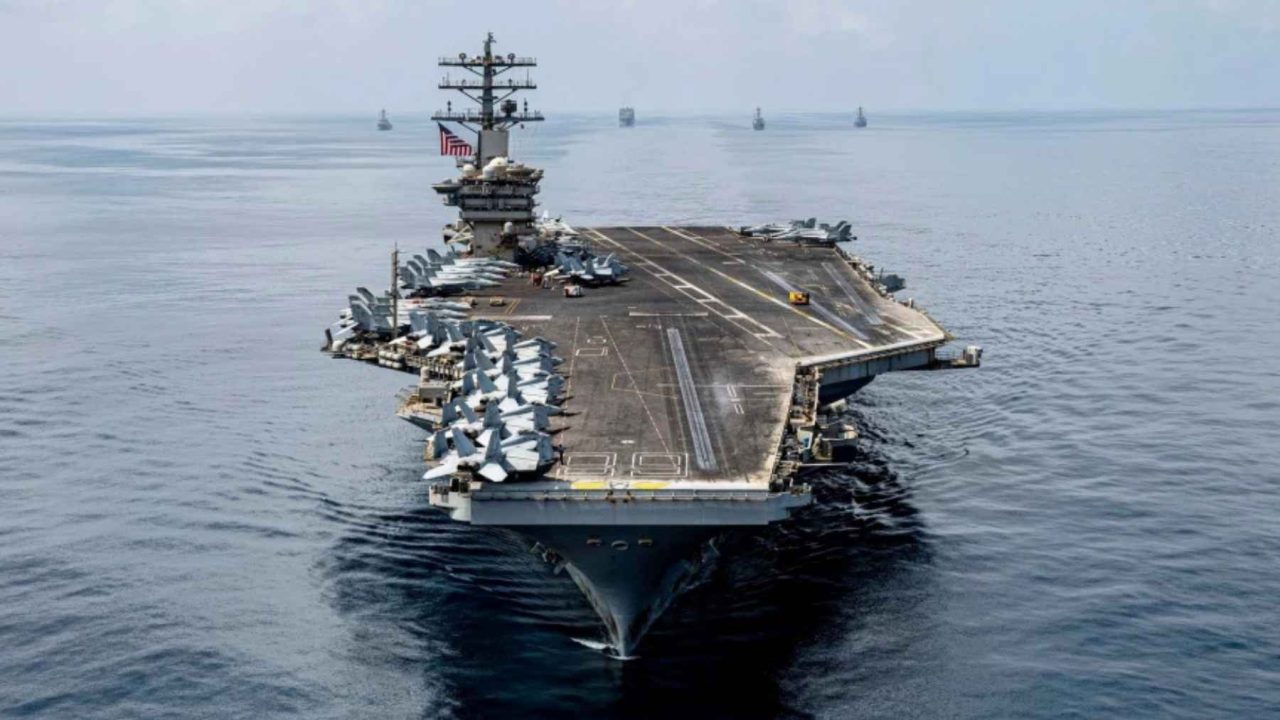
A nuclear-powered aircraft carrier anchored off Panama while a guided-missile destroyer docked in Panama City — and the timing was nearly impossible to separate from the politics swirling around one of the world’s most critical waterways.
The USS Nimitz and the USS Gridley arrived in Panamanian waters on March 29, 2026, as part of Southern Seas 2026, a regional naval tour framed around training, port visits, and diplomatic engagement. The ships were scheduled to remain in national waters through April 2, 2026 — five days beside a canal that sits at the center of a growing argument between Washington, Beijing, and Panama City over who holds real influence there.
On paper, it was a cooperation exercise. In practice, it was one of the most visible shows of American naval power in the Western Hemisphere in recent memory.
What Southern Seas 2026 Actually Was — and What It Signaled
Southern Seas 2026 is a U.S. Navy regional tour built around a combination of training operations, scheduled port visits, and military diplomacy across Latin America and the Caribbean. The arrival of the Nimitz and the Gridley in Panama was one stop on that broader tour.
But the choice of Panama as a destination was not incidental. The Panama Canal handles a staggering share of global maritime trade, making it one of the most strategically valuable chokepoints on the planet. Washington, Beijing, and Panama have been locked in a tense back-and-forth over influence near the canal, and placing a U.S. carrier group in those waters sent a message that did not require a press release to be understood.
The ships did not transit the canal itself. The Nimitz — a nuclear-powered supercarrier — anchored in open water, while the Gridley docked at the Amador Cruise Port in Panama City, according to a statement from Panama’s National Aeronaval Service. The distinction matters. The carrier’s sheer size makes a canal crossing impractical, but the visit still placed American naval muscle directly beside the waterway in a way that observers across the region would notice.
The Key Details of the USS Nimitz and USS Gridley’s Panama Visit
| Detail | Information |
|---|---|
| Ships involved | USS Nimitz (aircraft carrier), USS Gridley (guided-missile destroyer) |
| Arrival date | March 29, 2026 |
| Departure date | April 2, 2026 |
| Duration in Panamanian waters | Approximately 5 days |
| USS Nimitz position | Anchored in open water |
| USS Gridley position | Docked at Amador Cruise Port, Panama City |
| Reporting authority | Panama’s National Aeronaval Service |
| Operation name | Southern Seas 2026 |
- The USS Nimitz is a nuclear-powered aircraft carrier — one of the U.S. Navy’s most recognized symbols of sea power
- The USS Gridley is a guided-missile destroyer, typically used to escort and protect carrier strike groups
- The visit was officially described as part of a regional tour focused on cooperation, training, and diplomacy
- The ships did not transit the Panama Canal during the visit
- Panama’s National Aeronaval Service confirmed the schedule and positioning of both vessels
Why the Panama Canal Makes This Visit Impossible to Ignore
The Panama Canal is not just a shipping shortcut — it is a pressure point in the broader competition between the United States and China for influence in Latin America. The canal connects the Atlantic and Pacific Oceans and carries an enormous share of global container traffic, making it one of the most watched maritime zones on earth.
The tension between Washington and Beijing over the canal has grown more visible in recent years, with the U.S. expressing concern about Chinese commercial and strategic interests near the waterway. Panama sits in the middle of that argument, navigating relationships with both powers while managing one of the world’s most valuable pieces of infrastructure.
Sending a carrier group to Panamanian waters during a period of active diplomatic friction was not a subtle move. Officials and analysts have noted that naval presence in a region communicates intent and capability even when no shots are fired and no formal demands are made. The Nimitz anchored off Panama did exactly that — it made the United States visible at a moment when visibility was the point.
The framing of Southern Seas 2026 as a cooperative exercise also matters. Port visits are part of how the U.S. Navy builds and maintains relationships with partner nations across the region. Docking the Gridley at Amador Cruise Port allowed for formal engagement with Panamanian officials and military counterparts — the kind of relationship-building that quietly reinforces alliances without requiring a treaty or a summit.
What This Means for the Region Going Forward
The Southern Seas 2026 tour is broader than a single port call. It is a regional exercise that spans multiple countries, and the Panama stop was one component of a larger pattern of U.S. naval engagement across Latin America and the Caribbean.
The arrival of the Nimitz and Gridley signals that the U.S. intends to remain a visible presence in the waters surrounding the canal, regardless of how the diplomatic conversation between Washington, Beijing, and Panama City continues to develop. Naval tours like this one are recurring — they are not one-off gestures but part of an ongoing posture.
Whether the visit shifts the broader dynamic around the canal remains an open question. What is clear is that the U.S. chose one of its most powerful symbols — a nuclear carrier — to make its presence felt in one of the world’s most strategically loaded maritime zones, and it did so at a moment when that presence carried unmistakable meaning.
Frequently Asked Questions
What ships arrived in Panama as part of Southern Seas 2026?
The USS Nimitz, a nuclear-powered aircraft carrier, and the USS Gridley, a guided-missile destroyer, arrived in Panamanian waters on March 29, 2026.
Did the USS Nimitz transit the Panama Canal?
No. The Nimitz anchored in open water while the Gridley docked at the Amador Cruise Port in Panama City. The carrier did not cross the canal.
How long did the ships stay in Panama?
According to Panama’s National Aeronaval Service, the vessels were scheduled to remain in national waters from March 29 to April 2, 2026 — approximately five days.
What is Southern Seas 2026?
Southern Seas 2026 is a U.S. Navy regional tour focused on training, port visits, and military diplomacy across Latin America and the Caribbean.
Why does the Panama Canal matter strategically?
The canal connects the Atlantic and Pacific Oceans and carries a significant share of global maritime trade, making it one of the most strategically important waterways in the world. It has become a focal point of competition between the United States and China for regional influence.
Which Panamanian authority confirmed the visit?
Panama’s National Aeronaval Service confirmed the schedule and positioning of both vessels during the Southern Seas 2026 stop.




Leave a Reply