
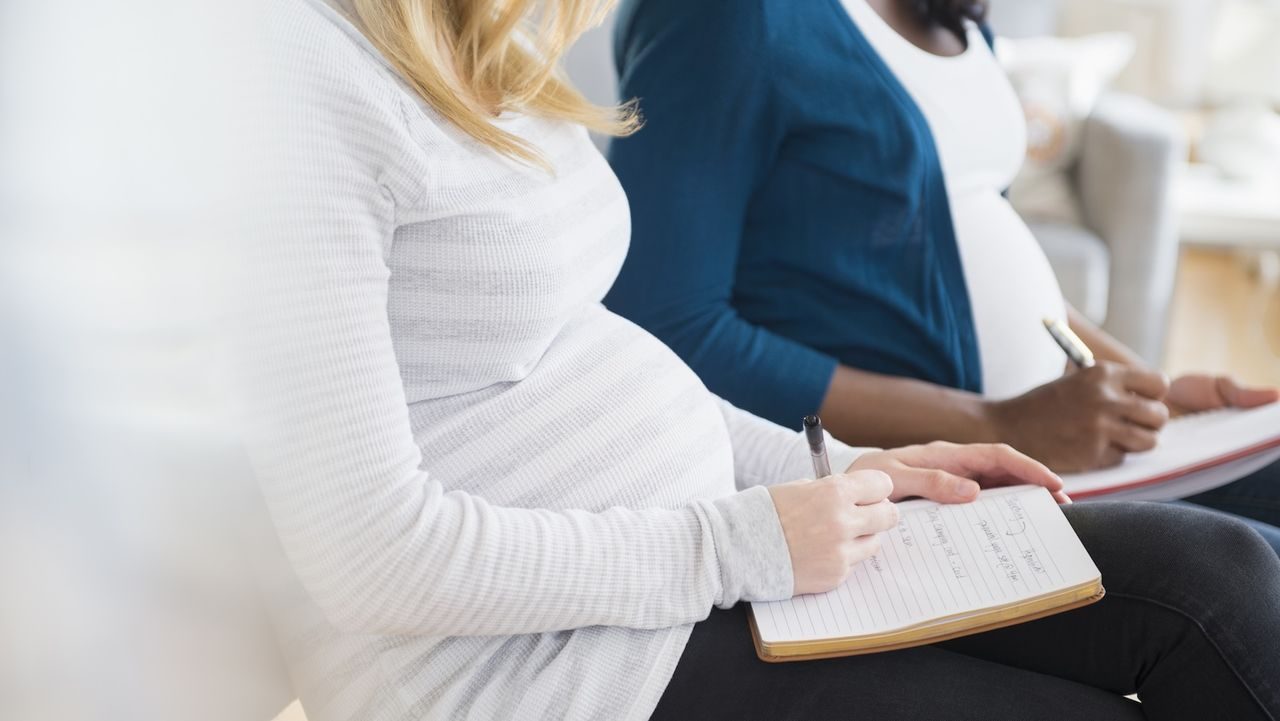
Pregnancy begins before conception even occurs — technically, on the first day of the last menstrual period, roughly two weeks before a sperm and egg ever meet. That single fact surprises most people, and it’s just the beginning of what makes human pregnancy one of the most scientifically fascinating processes in biology.
As placental mammals, humans carry and nourish developing young inside the womb, giving birth to live babies after a journey that lasts around nine months. Most of us know the broad strokes — three trimesters, a growing belly, and a lot of doctor’s appointments. But the finer details of fetal development, hormonal changes, and the biological oddities of pregnancy are far less familiar to the average person.
How well do you actually know the science of growing a human? You might be more in the dark than you think.
What Pregnancy Science Actually Looks Like
A human pregnancy is divided into three trimesters, each representing a distinct phase of development for both the baby and the pregnant person’s body. The whole process, from that technical start date at the last menstrual period to birth, runs approximately nine months — though the biology happening beneath the surface is far more complex than the calendar suggests.
One of the lesser-known aspects of pregnancy is that it produces entirely unique cell types that exist nowhere else in human biology. Certain cells appear only during pregnancy and serve specific roles in supporting fetal development before disappearing after birth. This kind of biological specialization points to just how precisely the human body adapts to the demands of carrying another life.
The hormonal shifts during pregnancy are equally striking. Most people are aware that hormones change dramatically during this period — but one of the more unexpected side effects is what happens to hair. Hormones during pregnancy typically cause hair to grow thicker and lusher than usual. It can feel like a welcome bonus. The catch? That extra hair doesn’t last. Months after giving birth, the additional hair falls out as hormone levels return to their pre-pregnancy state, a process that can feel alarming even though it’s entirely normal.
The Science of Pregnancy: Key Facts Worth Knowing
The biology of pregnancy is full of details that don’t make it into casual conversation. Here’s a breakdown of what the science confirms:
- Pregnancy starts earlier than most people assume — it is counted from the first day of the last menstrual period, not from the date of conception.
- Conception typically occurs about two weeks after that start date, meaning the first two weeks of a counted pregnancy predate fertilization entirely.
- Three trimesters structure the roughly nine-month journey, each with distinct developmental milestones.
- Some cell types exist only during pregnancy — unique biological structures that form to support fetal development and are not present at any other time in a person’s life.
- Hair typically grows thicker during pregnancy due to hormonal changes, but this effect reverses after birth, with the extra hair shedding in the months following delivery.
- Humans are placental mammals, meaning the placenta plays a central role in delivering oxygen and nutrients to the developing fetus throughout pregnancy.
| Pregnancy Feature | What Most People Think | What Science Confirms |
|---|---|---|
| When pregnancy begins | At conception | First day of last menstrual period, ~2 weeks before conception |
| Duration | Nine months | Around nine months, divided into three trimesters |
| Hair changes | Hair gets thicker and stays that way | Thicker during pregnancy due to hormones; extra hair falls out months after birth |
| Unique cell types | Not commonly known | Some cell types appear only during pregnancy |
| Human birth type | General knowledge | Live birth; humans are placental mammals |
Why These Details Matter Beyond Trivia
Understanding the science of pregnancy isn’t just an academic exercise. For people who are pregnant, planning to become pregnant, or supporting someone who is, knowing how the body actually works during this period has real practical value.
Take the hair shedding example. Postpartum hair loss is one of the most commonly reported concerns among new parents, and it frequently causes distress — not because it is dangerous, but because it is unexpected. Knowing in advance that the thicker hair of pregnancy is temporary, and that shedding afterward is a normal hormonal correction, can make a significant difference in how people experience and respond to that change.
Similarly, understanding that pregnancy is officially counted from the last menstrual period — not from conception — helps explain why gestational age calculations can seem confusing. A pregnancy described as “six weeks along” may involve an embryo that has only existed for about four weeks. This distinction matters for interpreting ultrasound results, understanding due dates, and communicating clearly with healthcare providers.
The existence of pregnancy-specific cell types also points to why pregnancy can affect the body in ways that persist long after birth, a growing area of scientific research that has implications for long-term maternal health.
What This Means for How We Talk About Pregnancy
Public understanding of pregnancy science tends to lag behind what researchers actually know. The gap between common assumptions and confirmed biology is wide enough that even well-informed people are regularly surprised by the basics.
The fact that some cell types emerge exclusively during pregnancy, for instance, underscores that pregnancy is not simply a passive state of waiting — it is an active biological transformation involving processes that have no equivalent elsewhere in human physiology.
Greater scientific literacy around pregnancy benefits everyone: it supports better conversations between patients and providers, reduces unnecessary anxiety about normal physical changes, and builds a more accurate picture of what the human body is capable of. The science here is genuinely remarkable, and it deserves more than a footnote in the standard conversation about reproductive health.
Frequently Asked Questions
When does pregnancy officially begin?
Pregnancy is counted from the first day of the last menstrual period before conception, which is approximately two weeks before fertilization actually occurs.
How long does a human pregnancy last?
A human pregnancy generally lasts around nine months and is divided into three trimesters.
Why does hair get thicker during pregnancy?
Hormonal changes during pregnancy typically cause hair to grow thicker and lusher than usual, though this extra hair falls out in the months following birth as hormone levels normalize.
Are there cell types that only exist during pregnancy?
Yes — according to
Are humans placental mammals?
Yes. Humans are placental mammals, meaning the placenta supports fetal development throughout pregnancy and humans give birth to live young.
Is postpartum hair loss permanent?



Leave a Reply