
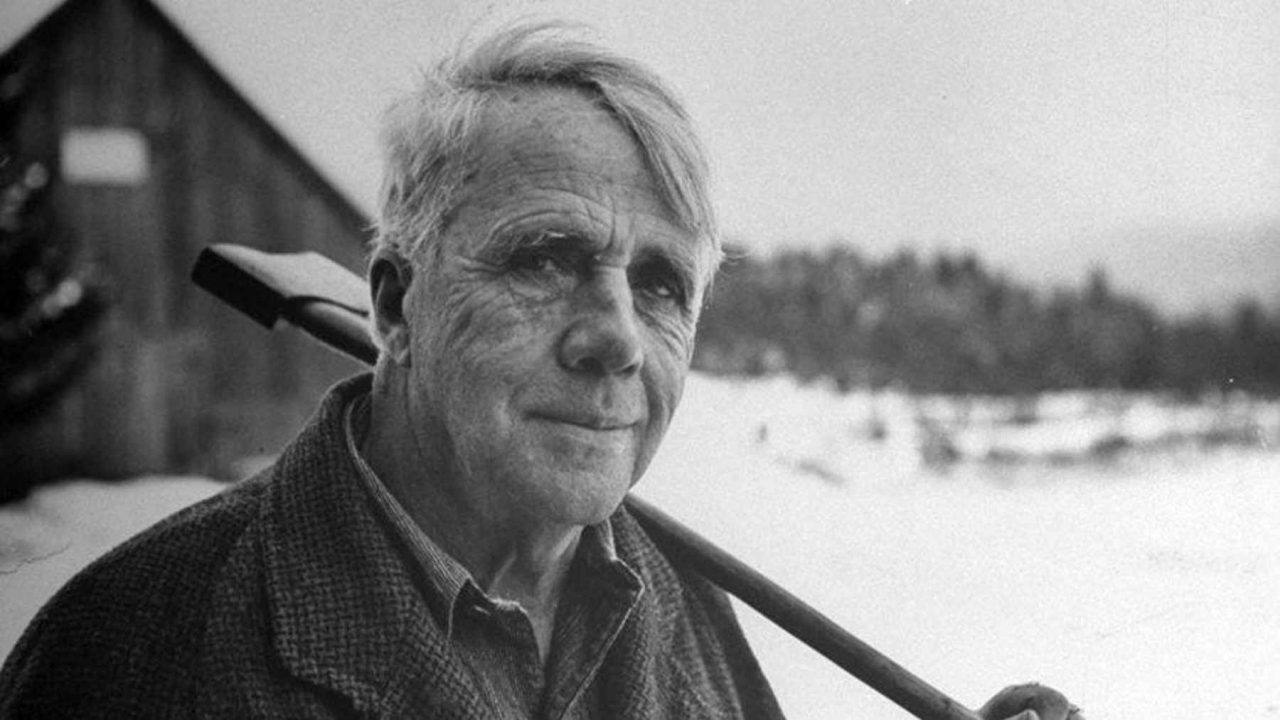
A single line of workplace humor has been quietly making the rounds for decades — pinned to office bulletin boards, dropped into Monday morning emails, and shared across social media feeds with a knowing laugh. The quote, often attributed to the American poet Robert Frost, goes like this: “The brain is a wonderful organ; it starts working the moment you get up in the morning and does not stop until you get into the office.”
It is a joke, obviously. But the reason it keeps resurfacing — in classrooms, break rooms, and motivation posts around the world — is that it does not feel entirely like one. There is something in that line that catches people off guard, because so many of them have lived exactly that feeling.
The quote has outlasted trends, survived the shift from paper memos to Slack notifications, and still lands with the same quiet sting it always did. That kind of staying power is worth examining.
Why a Decades-Old Joke Still Feels Uncomfortably Accurate
The line works because it captures a real and recognizable contrast. Before the workday begins, thinking tends to feel open and self-directed. You might be planning your week, turning over a problem from yesterday, or simply letting your mind wander while the coffee brews. There is a looseness to it.
Then the office — or the laptop, or the first notification — arrives. Suddenly your attention is no longer yours. You are answering someone else’s question, reacting to someone else’s deadline, trying to hold your place in a task while three other requests stack up behind it.
That shift is what the Frost quote is really describing. Not a brain that stops working, but a brain that stops working for you. And that distinction, even if the joke never spells it out, is exactly why people keep sharing it.
What Science Actually Says About Thinking at Work
Taken literally, the quote is not accurate. The brain does not power down when you walk through a door or open a work application. It keeps processing, reacting, and problem-solving throughout the day.
But the feeling the quote describes does have a real basis. The difference between morning thinking and mid-workday thinking is not about brain activity — it is about the type of thinking being asked of you, and how much of it is self-initiated versus reactive.
Mornings, for many people, carry a sense of possibility. The day has not yet made its demands. That open window tends to feel sharper, more creative, more personal. Once routines, deadlines, and constant interruptions take over, the brain shifts into a different mode — one that is still fully engaged, but in a narrower, more reactive way.
The contrast between those two states is easy to laugh at. It is also, for a lot of people, genuinely frustrating.
The Real Reason This Quote Keeps Circulating
Most viral quotes fade. They get their moment, cycle through social feeds, and disappear. The Frost quote has not done that. It keeps coming back, and the reason is straightforward: the experience it describes has not changed.
Offices have transformed dramatically over the decades — open floor plans replaced cubicles, email replaced memos, remote work reshaped what “the office” even means. But the fundamental dynamic of arriving somewhere and having your attention immediately claimed by external demands? That part has stayed constant, and in many ways intensified.
The quote also benefits from being attributed to a serious literary figure. Robert Frost is known for poems about nature, solitude, and the quiet weight of choices. A dry joke about office life feels unexpected coming from that voice, which makes it more memorable. Whether or not Frost actually said it — and the attribution, like many famous quotes, is difficult to verify — the connection adds a layer of irony that sharpens the punchline.
What the Quote Reveals About Attention and Routine
There is a broader observation buried in the humor. Many people find that their clearest, most independent thinking happens before the structured part of their day begins. That is not a coincidence or a personality quirk — it reflects something real about how attention works when it is self-directed versus externally managed.
The office, in this reading, is less a physical place and more a symbol for any environment where your time and focus are allocated to other people’s priorities. That is why the quote translates so easily to remote workers, students, and anyone who has ever felt the particular fog that settles in once a busy day gets underway.
| State of Mind | Typical Context | Type of Thinking |
|---|---|---|
| Before work begins | Morning routine, personal time | Open-ended, self-directed |
| Once work begins | Deadlines, notifications, meetings | Reactive, externally structured |
Neither state is better or worse in absolute terms. Reactive thinking is necessary and valuable. But the gap between them — the sense that something shifts the moment the workday starts — is what the Frost quote captures, and why it keeps resonating with people who have never read a word of his poetry.
Why Humor Is Sometimes the Most Honest Response
There is a reason workplace humor endures. It gives people a way to acknowledge frustrations that are real but hard to articulate without sounding like a complaint. A joke does the work without requiring anyone to file a grievance or sit through a meeting about it.
The Frost quote does exactly that. It names a feeling that millions of people recognize, wraps it in enough absurdity to be shareable, and leaves the reader with the small but genuine satisfaction of feeling understood. That combination — recognition, humor, and a hint of truth — is a formula that does not expire.
Which is probably why it is still showing up on office walls in 2025, just as it was decades ago. Some observations, it turns out, are evergreen.
Frequently Asked Questions
Did Robert Frost actually say this quote?
The attribution to Robert Frost is widely circulated but difficult to verify. Like many famous quotes, the original source is uncertain.
What does the quote mean?
The quote humorously suggests that independent, creative thinking tends to happen before the structured demands of the workday take over — not that the brain literally stops functioning at work.
Why does this quote keep resurfacing?
It describes a feeling that remains recognizable across generations and work environments — the sense that arriving at work means surrendering your attention to other people’s priorities.
Is there any scientific truth behind the joke?
The brain does not stop working at the office, but science does support the idea that the type of thinking shifts from open-ended and self-directed to reactive and externally structured once workplace demands begin.
Why do people find the quote funny even when it frustrates them?
Humor about shared workplace frustrations gives people a way to acknowledge real feelings without framing them as complaints, which makes the joke both relatable and repeatable.
Does the quote still apply to remote workers?
Yes — the quote resonates beyond physical office settings because it describes any environment where your time and focus become assigned to external demands, regardless of where you are sitting.



Leave a Reply