

Snakes have conquered six continents, the Indian Ocean, and the Pacific Ocean — and one evolutionary biologist suspects their fossils may yet turn up in Antarctica too. That kind of global dominance, achieved over more than 100 million years of evolution, raises a deceptively simple question: where did snakes actually come from, and how did they end up losing their legs along the way?
The honest answer is that science still doesn’t fully know. The snake fossil record is famously incomplete — long and thin, much like the animals themselves — leaving major gaps in the story. But new fossils and modern research techniques are beginning to fill those gaps in ways that are reshaping what scientists thought they understood about one of Earth’s most successful reptile lineages.
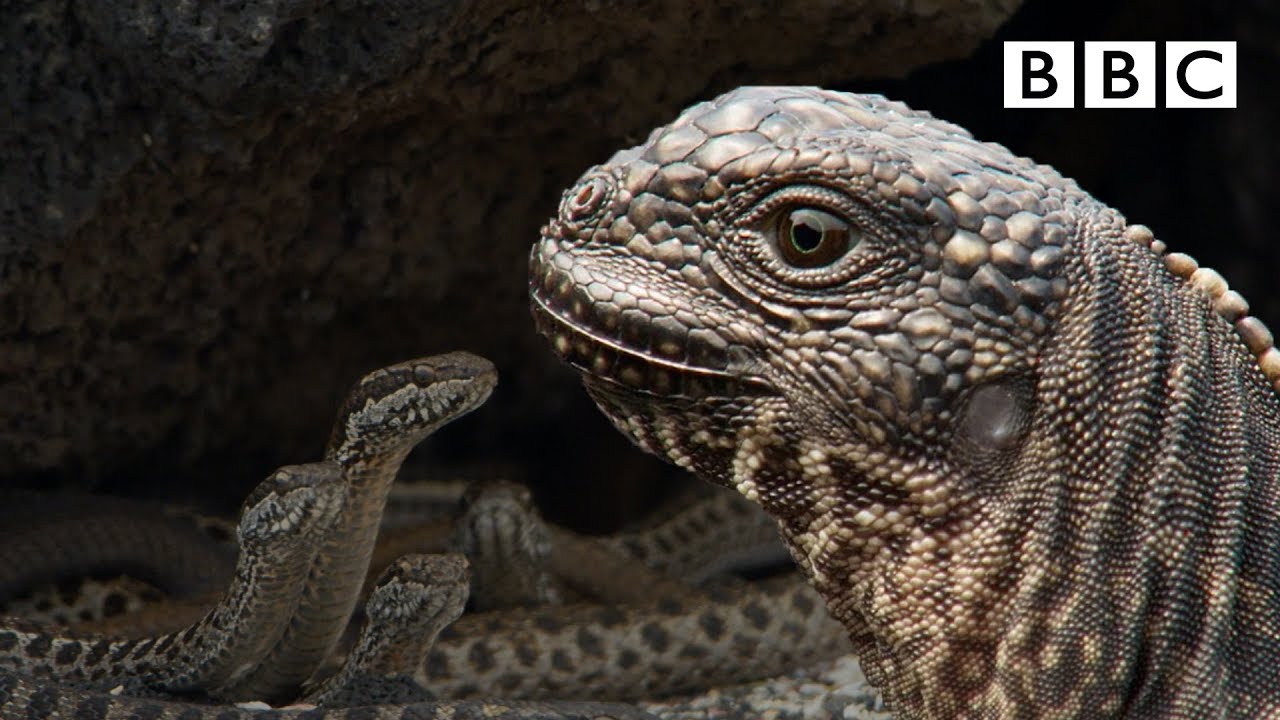
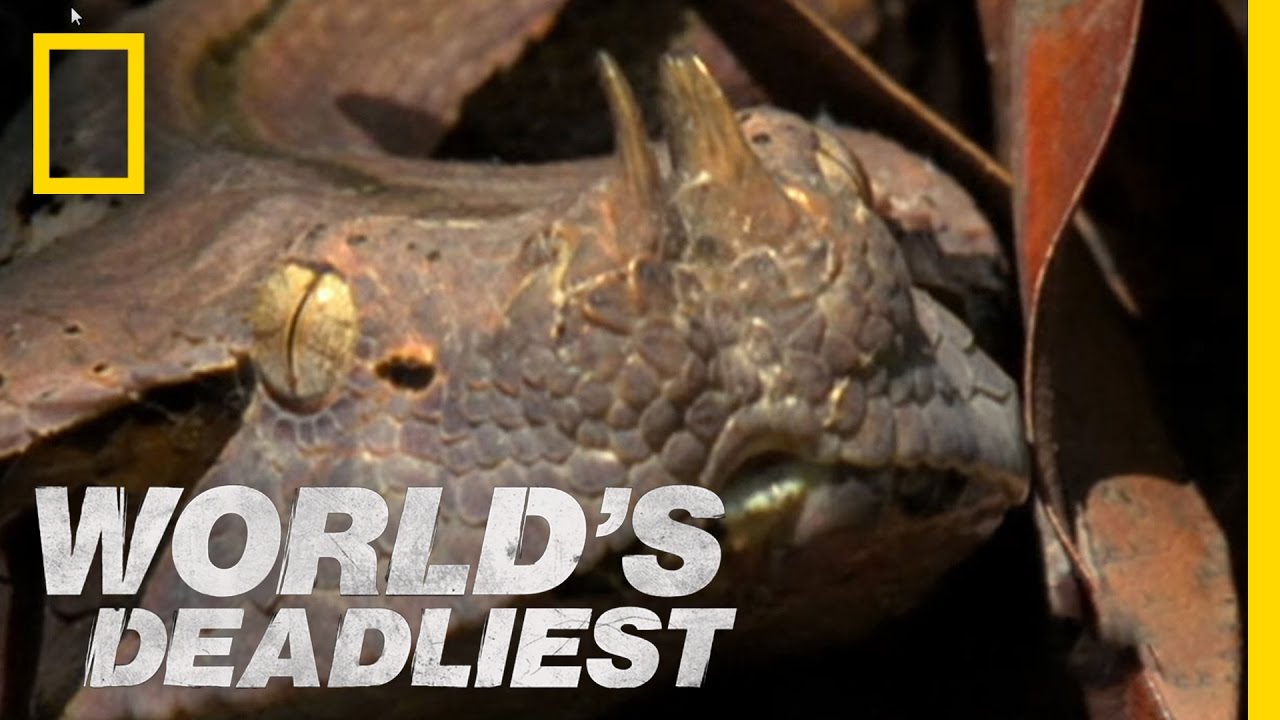
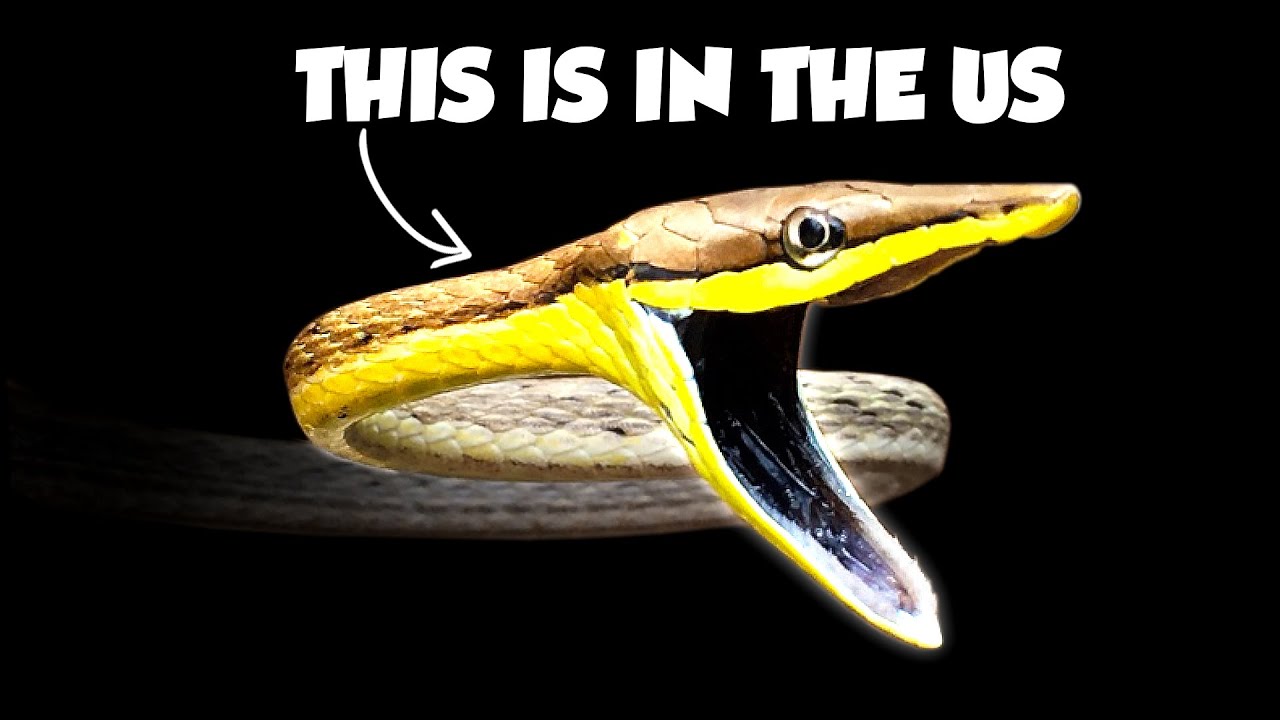


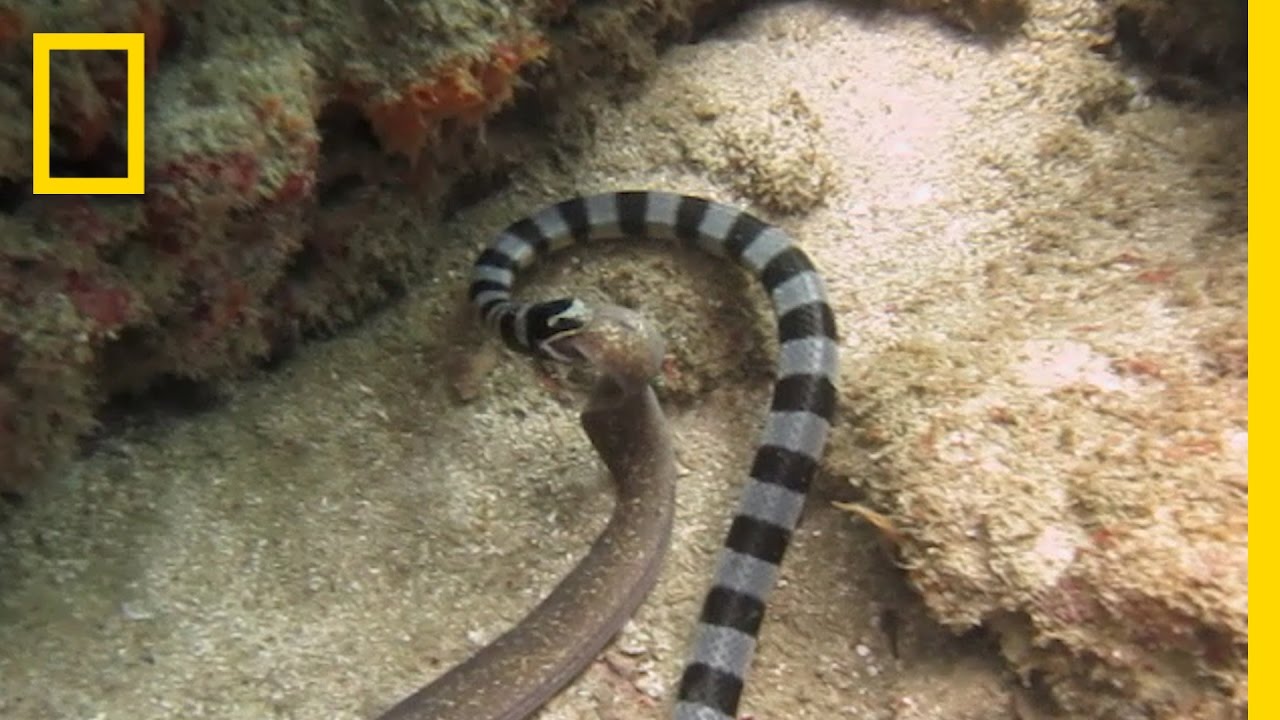
What researchers do know is striking enough on its own. Starting around 125 million years ago, snakes began diversifying at a remarkable pace, spreading across landscapes that would eventually become the continents and ocean regions we recognize today. The story of how they got there, and what they lost along the way, is one of evolutionary biology’s most compelling puzzles.
How Snakes Evolved: The Leading Theories
One vivid hypothesis about snake origins centers on the age of dinosaurs. Back when massive dinosaurs dominated the landscape, small mammals survived by burrowing underground and staying out of sight. According to Marc Tollis, an evolutionary biologist at Northern Arizona University in Flagstaff, those underground burrows may have created a brand new ecological opportunity — one that a slim, legless reptile was perfectly positioned to exploit.
The idea is that early snakes, slender enough to squeeze through tight spaces, could follow small mammals directly into their burrows and prey on them there. It’s a neat explanation for why a long, flexible, limbless body plan would be so advantageous. But Tollis is careful to frame it as an imaginative reconstruction, not settled fact. The fossil record simply doesn’t yet provide the kind of detailed evidence needed to confirm it.
What is clear is that snakes belong to the reptile family tree, though precisely where remains debated. Their closest relatives have not been definitively identified, and the geographic origin of the first snakes — whether they emerged in what is now Asia, Africa, or somewhere else entirely — is still an open question among researchers.
What Made Snakes So Successful
Whatever their origins, snakes turned out to be extraordinarily adaptable. Their flexible body plans allowed them to move into ecological niches that other animals couldn’t easily access, and they ran with it. Over tens of millions of years, they diversified into an astonishing range of lifestyles and habitats.
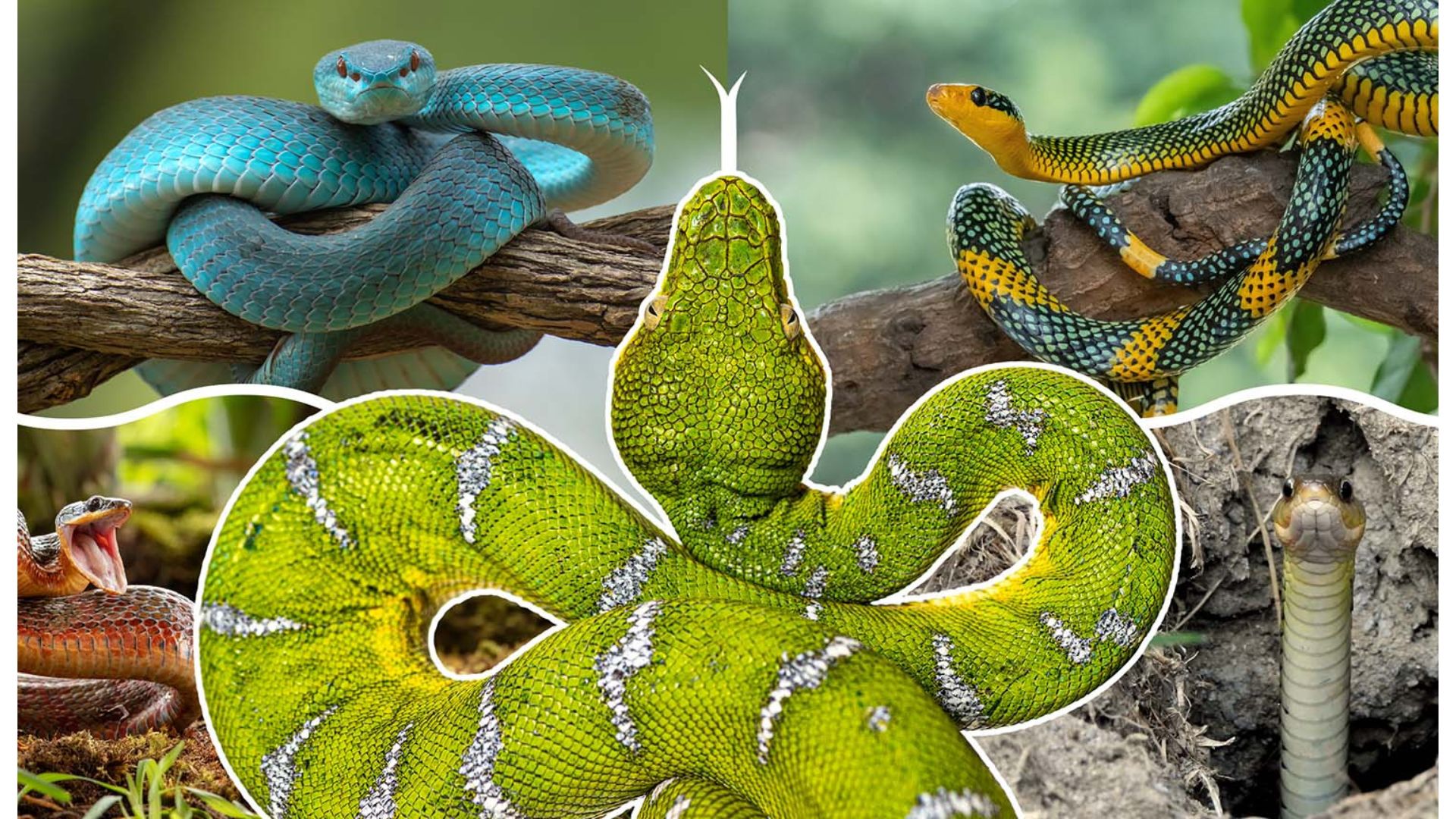
Today, snakes occupy nearly every corner of the planet. They slither across dry land, burrow through soil, swim through oceans, and glide between trees in forest canopies. They’ve even managed to hitch rides on human transportation — including, famously, trains and planes.
The range of sizes alone tells the story of how thoroughly snakes have adapted. There are tiny species small enough to hold in one hand, and massive constrictors that rank among the largest reptiles alive. Each body type reflects a different evolutionary solution to the challenge of surviving and reproducing in a particular environment.
The Snake Family’s Reach: By the Numbers
| Category | Detail |
|---|---|
| Estimated start of snake diversification | Approximately 125 million years ago |
| Continents colonized | Six (fossil evidence may yet extend to Antarctica) |
| Ocean regions inhabited | Indian Ocean and Pacific Ocean |
| Habitats occupied | Land, underground burrows, ocean, tree canopy |
| Key researcher cited | Marc Tollis, Northern Arizona University, Flagstaff |
The geographic spread alone is remarkable. Six continents and two major ocean systems represent an almost unparalleled range for a single reptile lineage — and researchers believe the full picture may be even broader once more fossil sites are explored.
The Mystery of the Missing Legs
Perhaps the most fascinating part of snake evolution is the question of their limbs. Snakes are descended from lizard-like ancestors that had legs, and the evolutionary transition to a fully limbless body represents one of the more dramatic physical transformations in vertebrate history.
Some snake species today still carry tiny remnant structures — vestigial traces of the hind limbs their ancestors once had. These physical echoes of a legged past are one of the clearest pieces of evidence that snakes didn’t simply appear limbless; they lost their legs over evolutionary time, gradually, as the limbless body plan proved more and more useful in the environments they were exploiting.
The exact mechanism and timeline of that transition remain subjects of active research. New fossil discoveries and genomic analysis tools are giving scientists better ways to reconstruct the sequence of events, but the picture is still being assembled piece by piece.
What New Research Is Changing About the Story
The field is moving faster than it has in decades. Modern techniques — including advances in ancient DNA analysis and more precise fossil dating methods — are allowing researchers to ask questions that simply couldn’t be answered before. Every new fossil find has the potential to shift the timeline or reframe the geographic origins debate entirely.
Tollis has noted that he would not be surprised to find snake fossils in Antarctica, a continent that was once far warmer than it is today. If such fossils are discovered, they would extend the known range of ancient snakes even further and add another chapter to a story that is still very much being written.
What’s already clear is that snakes represent one of evolution’s most successful experiments — a body plan so effective that it spread across nearly the entire planet and persisted for well over 100 million years. The gaps in the fossil record aren’t a sign that the story is uninteresting. They’re an invitation for the next discovery to change everything.
Frequently Asked Questions
When did snakes first begin to diversify?
Research suggests snakes began diversifying at a significant pace starting around 125 million years ago, during the age of dinosaurs.
Where did snakes originally evolve?
This remains an open question. The geographic origin of the first snakes has not been definitively confirmed, and it is one of the major unresolved questions in the field.
Who are snakes’ closest relatives?
This is another question that researchers have not yet definitively answered. Snakes belong to the reptile family tree, but their closest relatives remain a subject of ongoing scientific debate.
How many continents have snakes colonized?
Snakes have spread across six continents, as well as the Indian and Pacific Oceans. Researchers have suggested fossil evidence may eventually be found in Antarctica as well.
Why did snakes lose their legs?
The exact mechanism is still being studied, but the leading idea is that a slim, limbless body proved highly advantageous for exploiting specific ecological niches — such as burrowing into the underground homes of small mammals.
Are any traces of snake legs still visible today?
Some snake species retain vestigial structures that are remnants of the hind limbs their ancestors possessed, offering physical evidence of their legged evolutionary past.




Leave a Reply