
More than 390 suspected cases. Over 100 deaths. No approved vaccine. No licensed treatment. That is the grim reality facing the Democratic Republic of the Congo right now — and as of Sunday, May 17, the World Health Organization has declared this Ebola outbreak a public health emergency of international concern, the most serious designation the agency can issue.
The declaration sends a clear signal to the rest of the world: this is no longer just a regional crisis. It is a global health threat that demands an immediate, coordinated international response.
Two cases have already been confirmed across the border in Uganda, raising fears that the outbreak is spreading beyond the DRC’s boundaries. Health officials are racing to contain a virus for which, right now, there are no approved medical tools to fight it.
What Is Driving This Ebola Outbreak — and Why This One Is Different
Not all Ebola outbreaks are caused by the same virus. This one is caused by the Bundibugyo virus, one of three viral species known to trigger large-scale Ebola disease outbreaks. And that distinction matters enormously.
While other strains of Ebola have seen significant investment in vaccine and treatment development — particularly following the devastating West Africa outbreak of 2014 to 2016 — the Bundibugyo virus remains without any licensed therapeutics or approved vaccines. That means doctors and health workers on the ground are largely limited to supportive care: treating symptoms, stabilizing patients’ vital signs, and hoping the body can fight back on its own.
According to the WHO, prompt medical care focused on symptom management and stabilizing patients can improve survival rates. But with historical case fatality rates ranging from 30% to 50% in previous Bundibugyo outbreaks, the odds are sobering.
Dr. Jean Kaseya, Director General of the Africa Centres for Disease Control and Prevention, told BBC News:
“We have more than 100 people already passed on, and we don’t have a vaccine, we don’t have medicine available to support. This is my biggest worry because we need to see how to stop the transmission.”
The Key Numbers Behind the WHO Emergency Declaration
The scale of this outbreak, combined with the absence of medical countermeasures and the confirmed spread into a neighboring country, is what pushed the WHO to act. Here is what the confirmed data shows so far:
| Category | Figures |
|---|---|
| Suspected cases (DRC) | More than 390 |
| Deaths reported (DRC) | Over 100 |
| Cases confirmed in Uganda | 2 |
| Approved vaccines for Bundibugyo | None |
| Licensed treatments for Bundibugyo | None |
| Case fatality rate (previous outbreaks) | 30%–50% |
| WHO emergency declaration date | May 17, 2025 |
Key facts about the Bundibugyo virus and this outbreak:
- It is one of three viral species capable of causing large Ebola disease outbreaks
- No licensed vaccines or therapeutics currently exist for this specific strain
- Previous Bundibugyo outbreaks recorded fatality rates of 30% to 50%
- The WHO’s public health emergency of international concern is its highest-level alert
- Cross-border spread has already been detected, with two cases reported in Uganda
What a “Public Health Emergency of International Concern” Actually Means
The WHO does not use this designation lightly. A public health emergency of international concern — often shortened to PHEIC — is reserved for events that are considered extraordinary, that pose a risk to other countries through international spread, and that may require a coordinated international response.
Previous PHEICs have included COVID-19, the 2014 West Africa Ebola outbreak, and the mpox emergency declared in 2022. The designation typically triggers increased funding, accelerated research efforts, and greater international cooperation on containment measures.
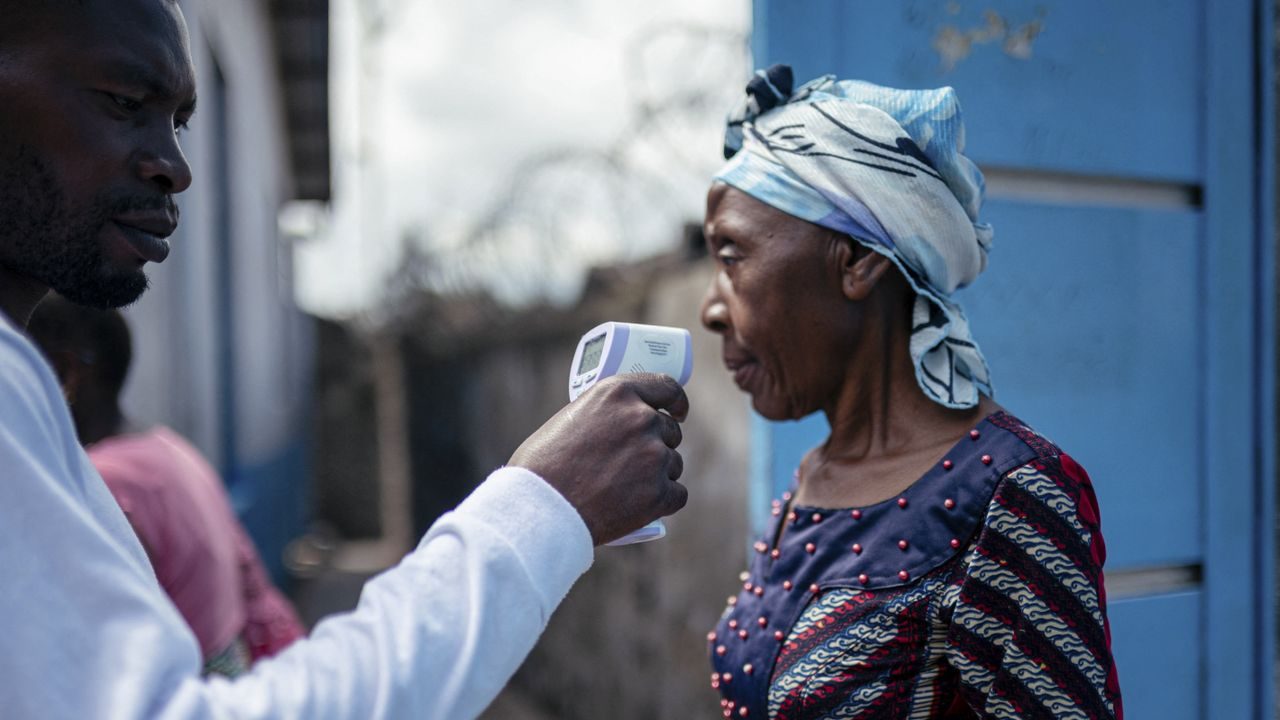
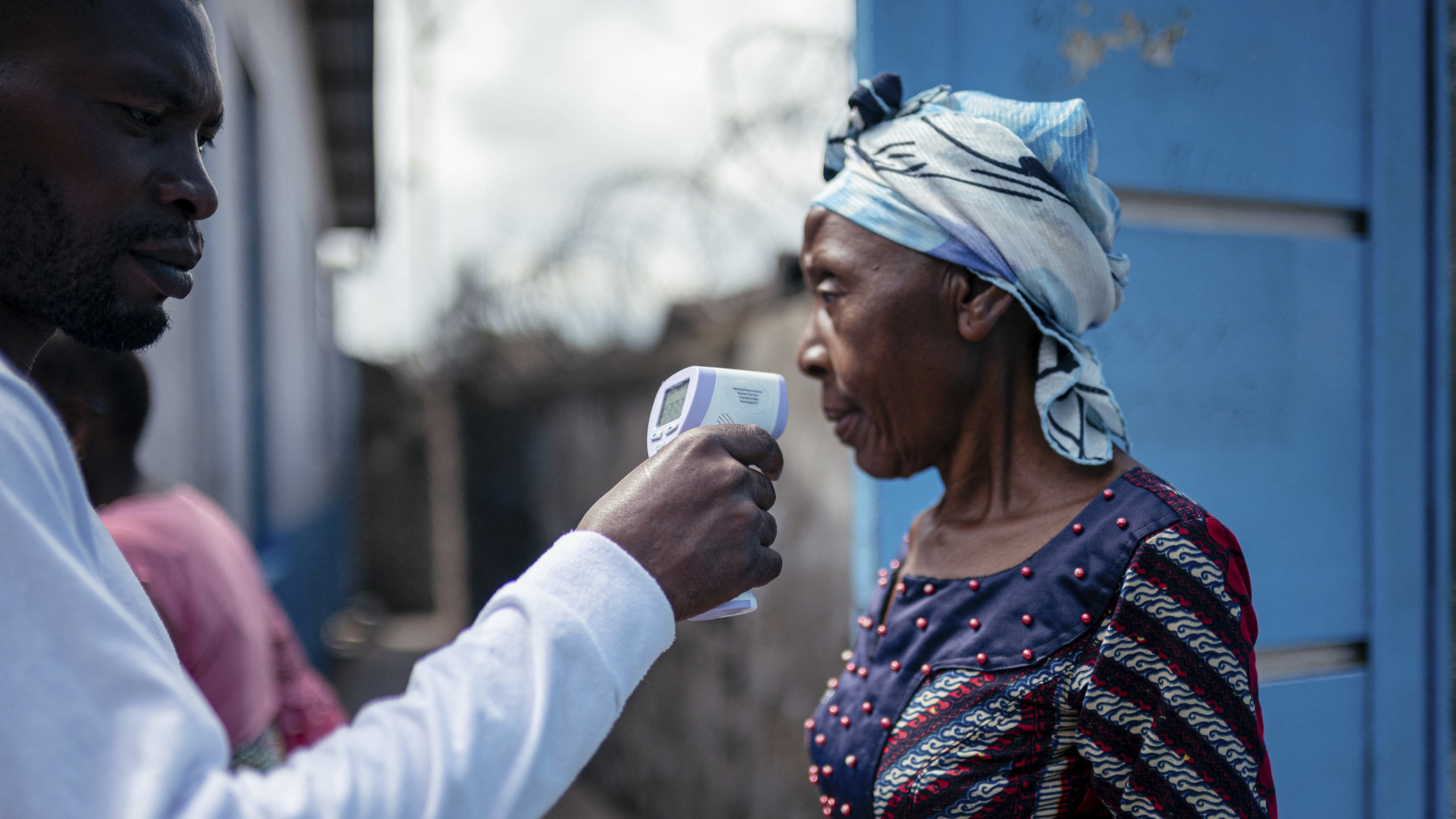
For the DRC, a country that has dealt with multiple Ebola outbreaks over the decades, the challenge is compounded by the specific nature of the Bundibugyo strain. Unlike some other Ebola variants where experimental treatments and vaccines have been developed and stockpiled, there is no equivalent arsenal available here. Health workers at facilities like the CBCA Virunga Hospital in the DRC have been conducting temperature checks on visitors as a basic frontline measure, but containment requires far more than temperature screening alone.
Who Is Most at Risk Right Now
The immediate danger is concentrated in the DRC, where the majority of cases and deaths have been recorded. But the confirmed spread into Uganda underscores that no border is a guaranteed barrier against an outbreak of this scale.
Ebola viruses spread through direct contact with the blood, secretions, or bodily fluids of infected people, making healthcare workers, family members caring for the sick, and those involved in burial practices particularly vulnerable. Without a vaccine to offer frontline health workers, the risk to those trying to contain the outbreak is especially acute.
For people outside the region, the risk remains low at this stage — but health authorities stress that the situation requires close monitoring. International travelers and diaspora communities connected to affected areas are being advised to follow guidance from local health authorities.
What Happens Next in the Fight to Stop the Outbreak
Dr. Kaseya and the Africa CDC are working directly with the DRC government to strengthen the response. The WHO’s emergency declaration is expected to accelerate international support, mobilize additional funding, and fast-track efforts to develop or adapt potential treatments and vaccines for the Bundibugyo strain.
Stopping transmission is the immediate priority. That means aggressive contact tracing, isolation of confirmed and suspected cases, and supporting healthcare infrastructure in affected areas. Given that no licensed medical countermeasures exist, public health measures — quarantine, surveillance, community engagement — are currently the most powerful tools available.
The situation in Uganda will also be closely watched. Two confirmed cases crossing an international border is precisely the kind of development that the PHEIC designation is designed to address, prompting neighboring countries and international partners to heighten their own surveillance and preparedness.
Frequently Asked Questions
What is a public health emergency of international concern?
It is the WHO’s highest-level alert, reserved for extraordinary events that pose an international risk and may require a coordinated global response.
What is the Bundibugyo virus?
It is one of three viral species known to cause large Ebola disease outbreaks, and unlike some other Ebola strains, it currently has no licensed vaccines or treatments.
How deadly is this outbreak?
Previous outbreaks caused by the Bundibugyo virus had case fatality rates ranging from 30% to 50%, and the current outbreak has already recorded over 100 deaths from more than 390 suspected cases.
Has the outbreak spread beyond the DRC?
Yes. Two cases have been confirmed in Uganda, indicating the virus has crossed at least one international border.
Is there a vaccine available for this strain of Ebola?
No. There are currently no licensed vaccines or therapeutics specifically for the Bundibugyo virus.
What is being done to treat patients?
According to the WHO, prompt supportive medical care — treating symptoms and stabilizing vital signs — can improve survival in the absence of specific treatments.


Leave a Reply