
The Pacific Ocean off Japan is no longer behaving the way scientists expect it to — and researchers say the word “surprised” may not even cover it anymore. A powerful current system called the Kuroshio Extension has shifted onto an unusual northward path, pushing warm tropical water into parts of northeastern Japan that are normally kept cool by subarctic currents. The effects are already showing up in fishing nets, kelp beds, weather patterns, and dinner tables across the region.
This is not a minor fluctuation buried in a dataset. It is a visible, measurable shift in one of the most important ocean current systems in the Pacific — and scientists at Tohoku University say the Kuroshio Extension’s northward bend has broken recent records.
When the ocean changes course at this scale, it does not stay an ocean problem for long. It becomes a weather problem, a food problem, and a climate problem all at once.
Japan’s Climate Conveyor Belt Has Gone Off Script
The Kuroshio is often described as the Pacific equivalent of the Atlantic’s Gulf Stream. It carries warm, tropical water northward along Japan’s coastline, and that steady flow of heat and moisture plays a defining role in shaping the country’s coastal climate.
Off the Sanriku coast — a stretch of northeastern Japan known for its productive fishing grounds — the warm Kuroshio waters historically meet colder subarctic waters. That collision creates what oceanographers call an ocean “front,” a boundary zone where the mixing of warm and cold water produces some of the most biologically rich conditions in the Pacific.
That boundary has now shifted. The Kuroshio Extension has bent noticeably northward, pushing warm water into zones that are typically cold. And when that boundary moves, everything that depends on it moves too — or struggles to survive in place.
What the Northward Shift Actually Means
The consequences of the Kuroshio’s unusual path are not abstract. Researchers have identified effects across multiple systems, from marine ecosystems to land-based weather events.
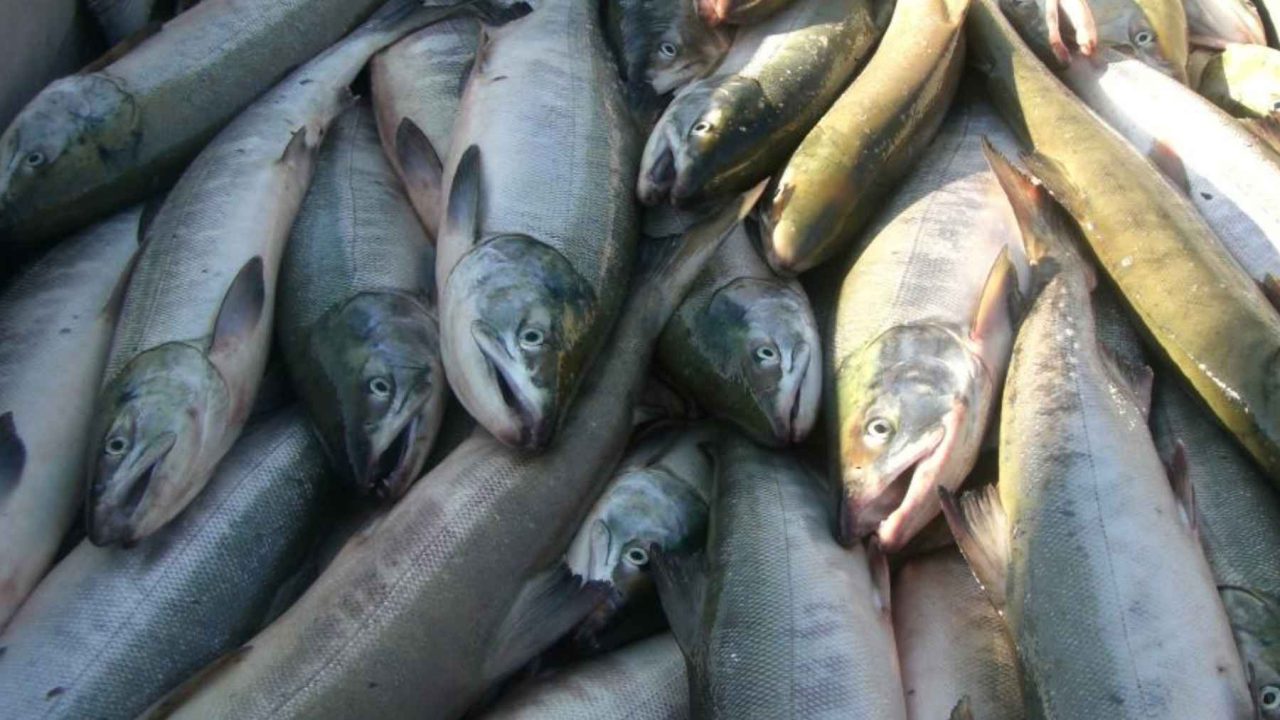
- Fish catches are shifting — Species that follow temperature gradients are moving as the ocean front relocates, disrupting established fishing patterns along the northeastern coast.
- Kelp harvests are under stress — Kelp is highly sensitive to water temperature. Warmer water pushing into traditionally cold zones puts kelp beds at risk, threatening both the ecosystem and the livelihoods tied to it.
- Extreme summer heat on land — The warm ocean temperatures associated with the shifted current are contributing to intense heat events in coastal and inland areas of northeastern Japan.
- Heavy rainfall events — The additional heat and moisture fed into the atmosphere by the displaced warm water is linked to heavier precipitation patterns in the region.
The chain of cause and effect here is direct. A current shifts, the ocean warms where it should be cold, moisture rises into the atmosphere, and communities experience weather they were not built to expect.
A Snapshot of What Has Changed
| System Affected | Normal Condition | Observed Change |
|---|---|---|
| Kuroshio Extension path | Follows established eastward route | Unusual northward bend, record-breaking shift |
| Sanriku coast waters | Cold subarctic temperatures | Warm Kuroshio water pushing into the zone |
| Fish catches | Stable species distribution | Shifting catches as species follow temperature |
| Kelp harvests | Productive cold-water beds | Stress and decline from warmer intrusions |
| Summer weather on land | Moderate coastal temperatures | Extreme heat and heavy rain events |
Why This Hits Closer to Home Than Most Ocean Stories
Ocean current stories can feel distant — something happening far offshore that belongs in a scientific journal rather than a news feed. This one is different, because the Kuroshio’s shift is already translating into real-world consequences that communities feel directly.
When fish migrate away from traditional fishing grounds, fishing families lose reliable income. When kelp beds fail, the entire food web that depends on them — including commercially important species — begins to fray. When ocean heat fuels more intense summer storms and heavier rain, infrastructure, agriculture, and public safety all take the hit.
Researchers note that the ocean front off Sanriku is not just an ecological boundary. It is an economic one. The mixing zone between warm and cold water has historically made this one of the most productive fishing regions in the Pacific. A sustained northward shift of the Kuroshio Extension puts that productivity at genuine risk.
Scientists are also careful to point out that this is not a story about a single bad season. The Kuroshio Extension’s northward turn has been dramatic enough that researchers at Tohoku University say it has broken recent records — suggesting this is not routine variability that will quietly correct itself.
What Researchers Are Watching For Next
Tohoku University researchers are actively monitoring the Kuroshio Extension’s behavior, tracking how far north the warm water intrusion extends and how long the unusual configuration persists. The core concern is whether this represents a temporary anomaly or a sign of a longer-term reorganization of one of the Pacific’s most consequential current systems.
Scientists are paying close attention to the ocean front’s position off the Sanriku coast, the temperature profiles of water that should be cold, and the downstream effects on both marine life and atmospheric conditions over land. Each data point adds to a picture that researchers describe as increasingly difficult to explain away as normal.
The broader scientific community has noted that ocean systems globally are showing behavior that strains the usual vocabulary of climate research. When a researcher says that “surprised” may no longer be the right word for what they are witnessing, it signals that observed changes are outpacing the models and expectations built on decades of prior data.
For coastal communities in northeastern Japan, the question is not just scientific. It is practical: how do you plan a fishing season, manage a kelp harvest, or prepare for summer weather when the ocean itself has stopped following the rules it kept for generations?
Frequently Asked Questions
What is the Kuroshio Extension and why does it matter?
The Kuroshio Extension is a major Pacific current that carries warm tropical water northward along Japan’s coast, shaping the region’s climate, fisheries, and weather patterns in ways similar to how the Gulf Stream influences the Atlantic.
What unusual behavior has the Kuroshio Extension shown recently?
According to Tohoku University researchers, the Kuroshio Extension has taken an unusual northward path that has broken recent records, pushing warm water into parts of northeastern Japan that are normally kept cool by subarctic currents.
How is the current shift affecting fishing and food production?
The shift is disrupting fish catches as species follow changing temperature zones, and it is stressing kelp harvests in areas where warmer water is intruding into traditionally cold fishing grounds.
Is the ocean current change also affecting weather on land?
Yes — researchers have linked the Kuroshio’s unusual northward position to extreme summer heat and heavy rainfall events in northeastern Japan, as the displaced warm water feeds additional heat and moisture into the atmosphere.
Is this a temporary anomaly or a long-term change?
This has not yet been confirmed either way, but the scale of the shift — described as record-breaking by Tohoku University — has led researchers to treat it as something more serious than routine seasonal variability.
Which research institution is leading the monitoring of this change?
Tohoku University researchers are among those actively tracking the Kuroshio Extension’s unusual behavior and its effects on the Sanriku coast and surrounding region.



Leave a Reply