
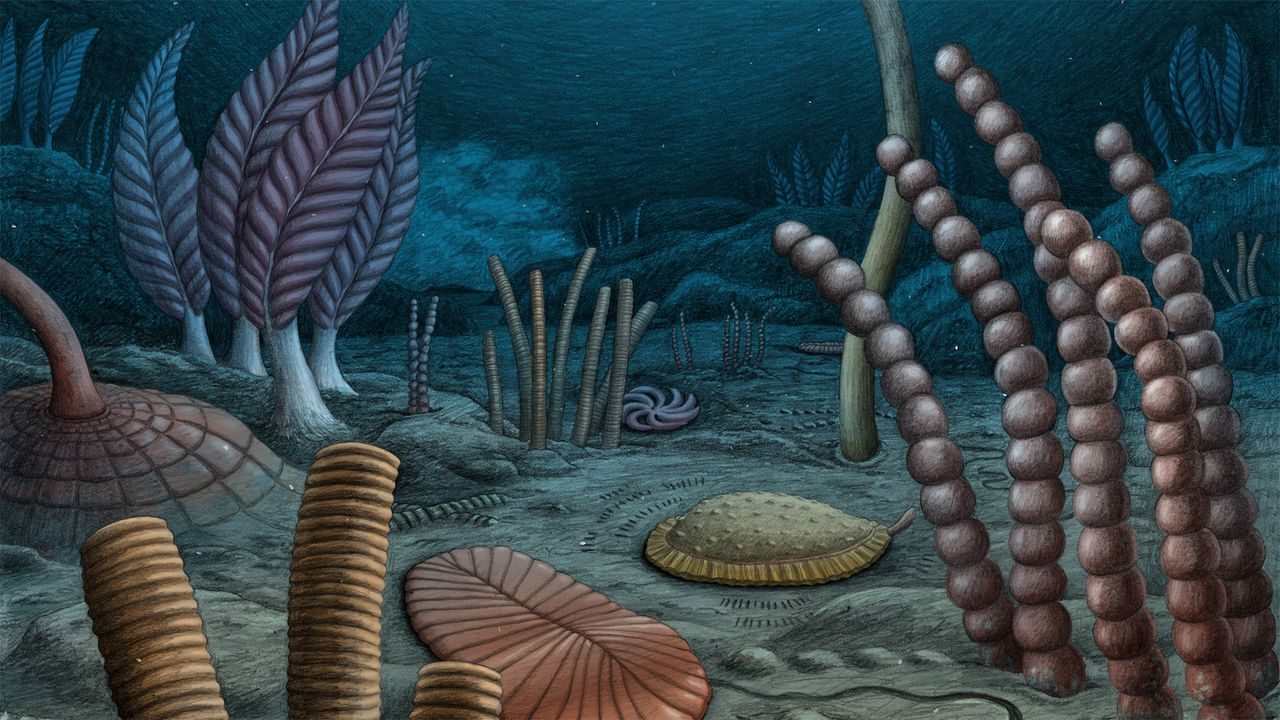
For three billion years, life on Earth was essentially invisible — a world of microbes too small to see, too simple to leave much of a trace. Then something changed. Complex, multicellular animals appeared, large enough to observe and capable of behavior we would recognize today. A remarkable new fossil discovery in Canada suggests that shift happened even earlier than scientists had realized.
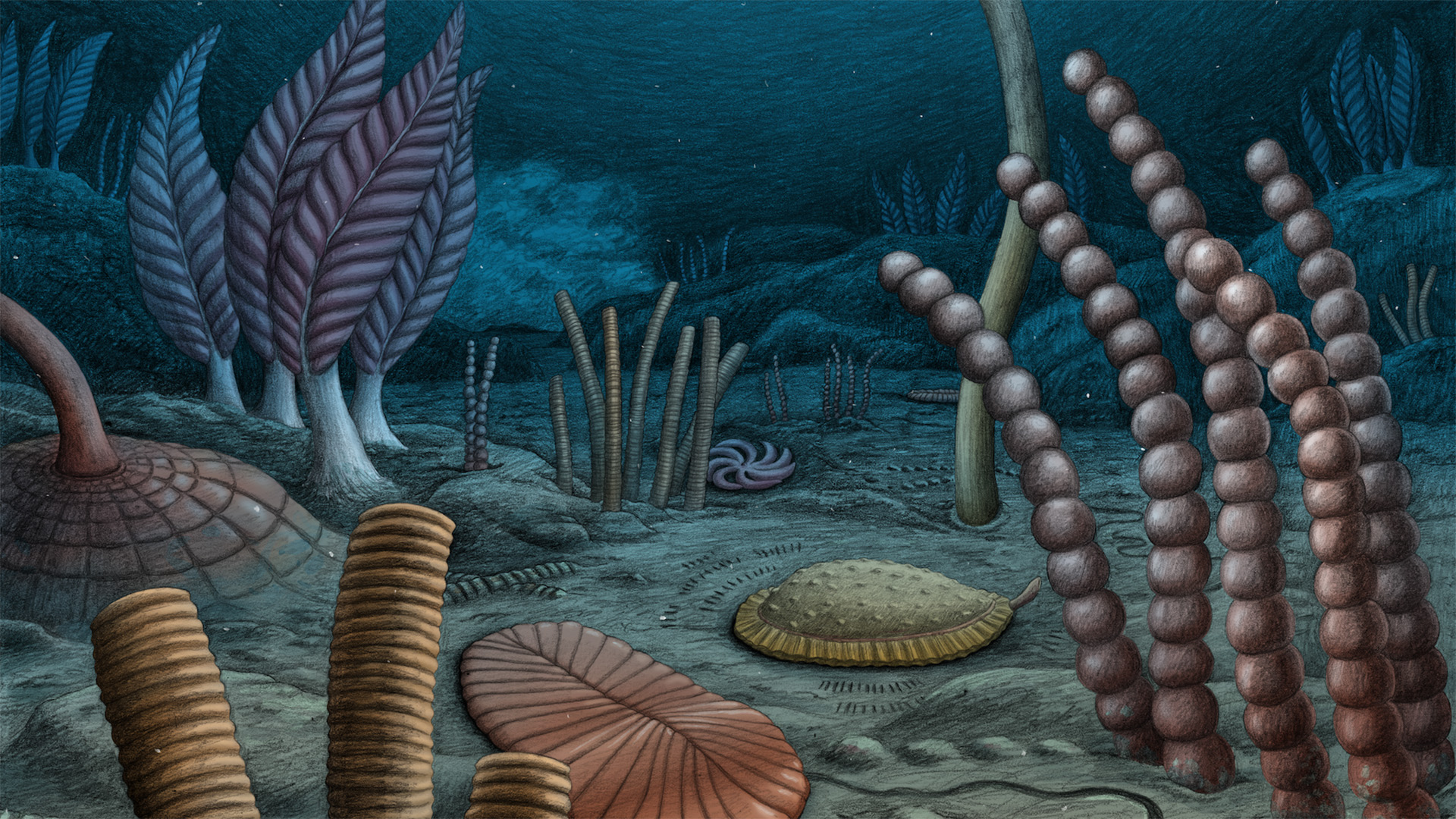
A trove of more than 100 fossils unearthed in Canada’s Northwest Territories is pushing back the known origins of complex animal life by several million years. Some of the specimens date back 567 million years — a finding that challenges the existing timeline of when and where sophisticated animal life first took hold on our planet.
The research was published on May 20 in the journal Science Advances, and the implications reach far beyond one dig site. This discovery is reshaping how scientists understand one of the most consequential transitions in the history of life on Earth.
What Was Found — and Why the Location Matters
The fossil site in Canada’s Northwest Territories has yielded more than 100 specimens, including six taxa never previously found in North America. These organisms lived during the Ediacaran period, a stretch of geological time running from roughly 635 million to 541 million years ago, when complex multicellular animals first began to emerge.
What makes this site particularly significant is not just the age of the fossils, but the diversity. Finding six taxa with no prior North American record in a single location suggests that complex animal life was more widespread across the ancient planet — and arrived earlier on this continent — than the fossil record had previously indicated.
The animals preserved here were capable of moving themselves in search of food, a behavior that marks a fundamental leap from the passive, microbial world that dominated Earth for billions of years before them.
The Fossil Evidence That Changes the Timeline
Before this discovery, the picture of early complex animal evolution in North America was incomplete. The new site fills in a critical gap, pushing the known origins of motile, complex animals back by several million years — potentially up to 10 million years earlier than previously documented.
| Detail | What the Source Confirms |
|---|---|
| Fossil site location | Canada’s Northwest Territories |
| Number of fossils found | More than 100 |
| New taxa for North America | Six taxa never previously found on the continent |
| Age of oldest specimens | 567 million years old |
| Geological period | Ediacaran (635–541 million years ago) |
| Study published | May 20, in Science Advances |
| How far back origins pushed | Several million years, potentially up to 10 million |
Scott D. Evans, assistant curator of invertebrate paleontology at the American Museum of Natural History in New York City and a co-author of the study, described the significance of the transition these animals represent.
“For 3 billion years, life on Earth was dominated by microbes,” Evans said in a statement. Then, all of a sudden, “we get these strange-looking marine animals big enough to see and capable of behaviors we would find familiar today. If we want to understand this transition, when life first became large, complex and unmistakably animal, this new site has tremendous potential.”
What These Ancient Animals Actually Were
The creatures preserved in these fossils were marine animals — ocean dwellers that lived in a world utterly unlike the one we know. There were no fish, no insects, no plants on land. The continents looked nothing like they do today. And yet these animals were already doing something recognizably animal: moving through their environment, seeking food.
That capacity for self-directed movement is what separates these organisms from the microbial mats and simpler life forms that came before. It represents a crossing of a threshold — the moment life stopped simply reacting to its environment and began actively navigating it.
- The animals lived during the Ediacaran period, between 635 and 541 million years ago
- They were multicellular — far more structurally complex than the microbes that preceded them
- They were large enough to see with the naked eye
- They were capable of moving in search of food — a behavior familiar to us today
- Six of the taxa found at this site had never been recorded in North America before
Why This Discovery Matters Beyond the Headlines
Fossil discoveries of this kind do more than add data points to a timeline. They force a reassessment of the conditions that allowed complex life to emerge — and where. If sophisticated animals were present in North America 567 million years ago, it suggests the environmental conditions necessary for that complexity were more broadly distributed across the ancient Earth than previously understood.
It also raises questions about what else might be out there, buried and undiscovered. The Ediacaran fossil record is fragmentary by nature — soft-bodied organisms rarely preserve well. Each new site that does preserve them is genuinely rare, which is part of why researchers describe this one in Canada’s Northwest Territories as having “tremendous potential” for future study.
The more sites scientists find, the more clearly they can map the spread of complex life across the ancient world — and the better they can understand the environmental triggers that made the leap from microbes to animals possible in the first place.
What Researchers Are Watching Next
The publication of this study in Science Advances marks the beginning of deeper investigation, not the end of one. With more than 100 fossils already catalogued and six taxa new to North America identified, researchers have substantial material to continue analyzing.
The site’s full extent has not yet been publicly detailed, and further excavation could yield additional specimens that refine or extend the timeline further. Scientists will also be working to understand the ecological relationships between the organisms found there — not just when they lived, but how they interacted with one another in that ancient marine environment.
For now, the discovery stands as a reminder that Earth’s deep past still holds major surprises — and that the story of how life became complex is still being written, one fossil at a time.
Frequently Asked Questions
Where were these fossils discovered?
The fossils were found at a site in Canada’s Northwest Territories.
How old are the oldest fossils from this site?
Some of the fossils date back approximately 567 million years, placing them in the Ediacaran period.
How many fossils were found, and what makes them significant?
More than 100 fossils were recovered, including six taxa that had never previously been found in North America.
By how much does this discovery push back the origins of complex animals?
According to the study, the findings push back the known origins of complex, motile animals in North America by several million years — potentially up to 10 million years.
Where was the study published?
The research was published on May 20 in the journal Science Advances.
Who was involved in the research?
Scott D. Evans, assistant curator of invertebrate paleontology at the American Museum of Natural History in New York City, is listed as a co-author of the study.


Leave a Reply