
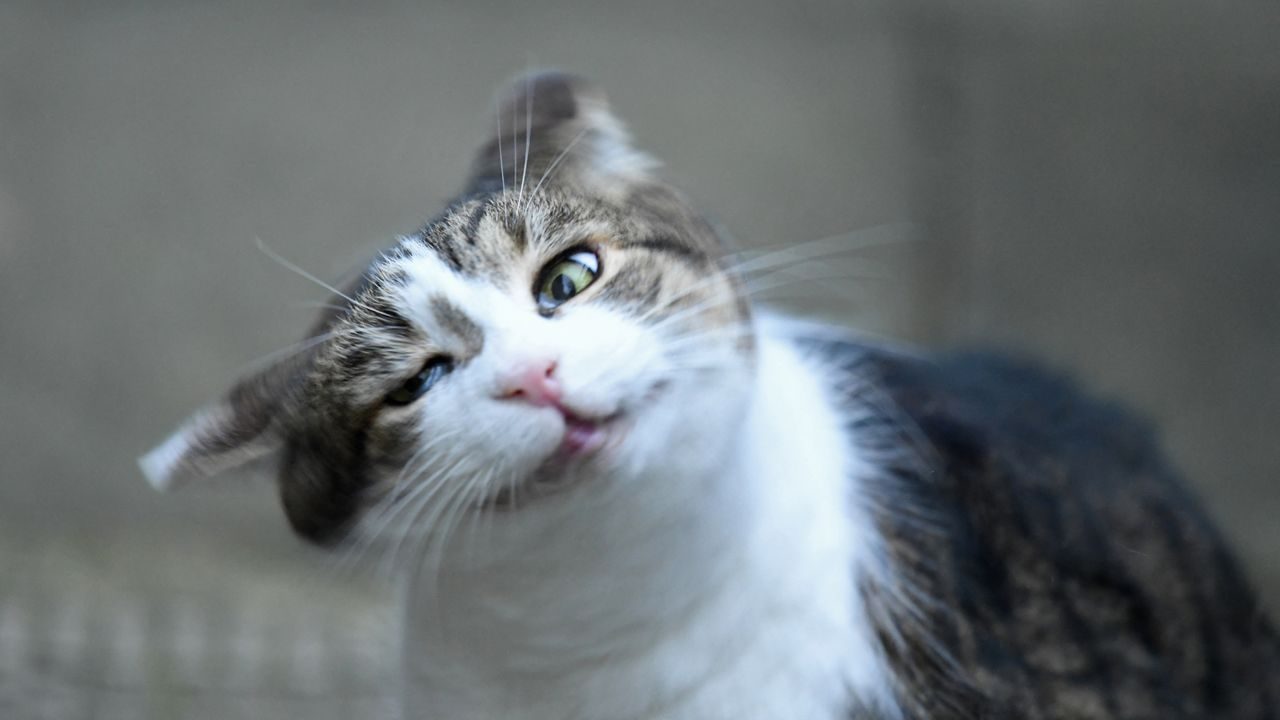
If you’ve ever watched your cat finish a meal or enjoy a good ear scratch and then suddenly whip their head back and forth like they’re trying to shake something loose — you’re not imagining things. It’s one of those small, quirky behaviors that pet owners notice all the time but rarely think to question. Dogs do it too. So do plenty of other mammals.
So what’s actually going on when your pet shakes their head? Is it a reflex? A sign of discomfort? Or just something animals do? According to experts, the answer is almost always reassuring — but there are times when it’s worth paying closer attention.
Here’s what we know about why cats and dogs shake their heads, and when that behavior crosses from normal into something that might need a vet’s attention.
Why Cats and Dogs Shake Their Heads — The Normal Reasons
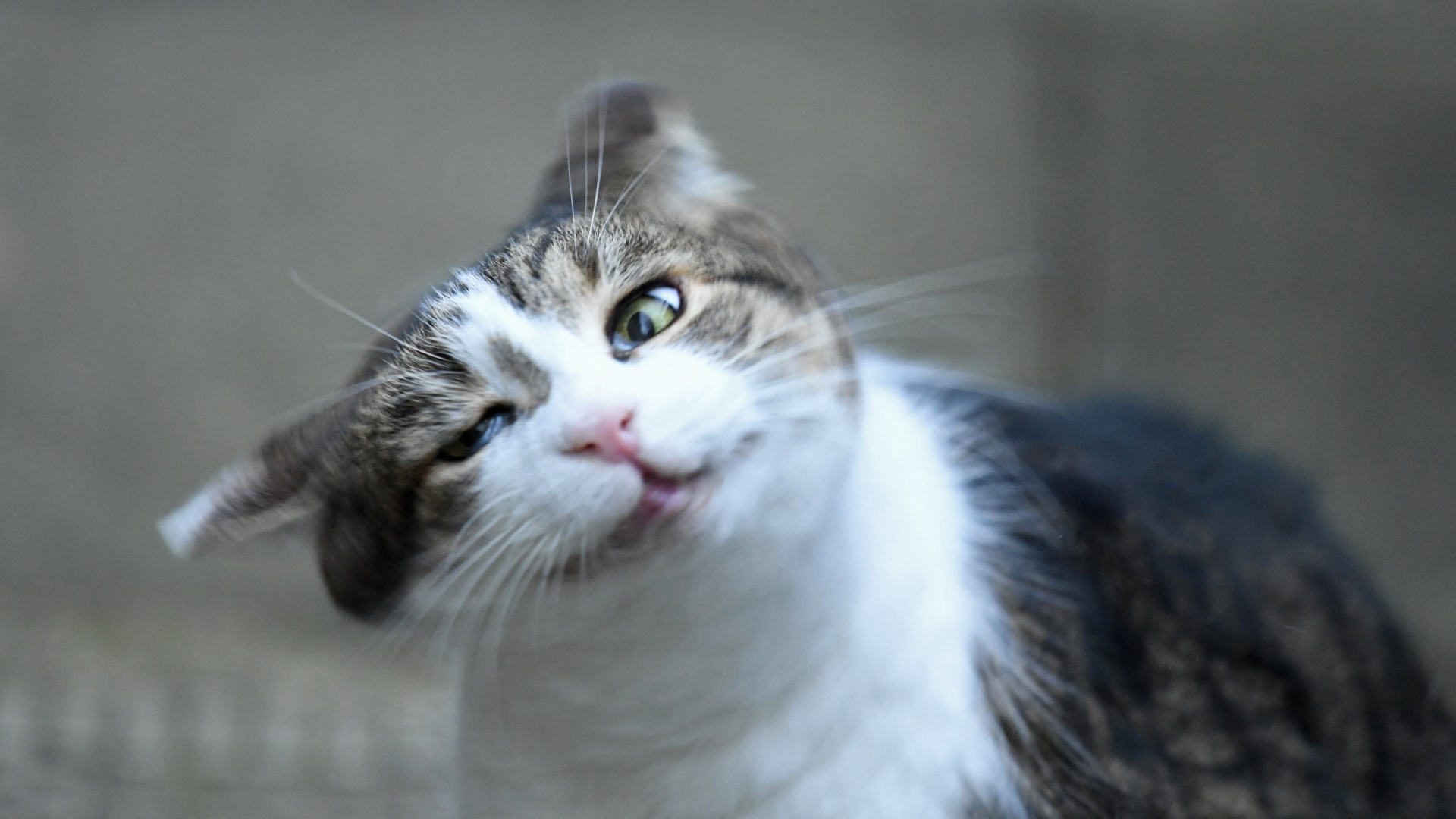
Most of the time, head shaking in cats and dogs is completely normal behavior. Experts note that it’s especially common after eating, drinking, or receiving physical affection like a cheek scratch. That rapid, side-to-side flick you see is typically just your pet’s way of resetting — a brief physical response to sensory stimulation.
Think about it from a purely physical standpoint. When a cat gets a good scratch behind the ears or along the cheeks, the nerve endings in that area are being stimulated. A quick head shake is essentially the body’s natural response to that burst of sensation — not unlike how a person might shiver after a sudden chill or twitch at an unexpected touch.
After eating or drinking, the same logic applies. Food, liquid, or even the texture of a bowl against their whiskers can trigger a brief shake. Cats, in particular, are famously sensitive around their whiskers — those long facial hairs are packed with nerve endings and serve as important sensory tools. Any significant contact or stimulation in that area can prompt a reflexive shake of the head.
This kind of head shaking is seen across many mammals, not just household pets. It appears to be a broadly shared physical response rather than something unique to cats or dogs.
When Head Shaking Is Something More
While the behavior is usually harmless, there are situations where frequent or persistent head shaking can signal an underlying issue. The key distinction is between an occasional, brief shake and repeated, vigorous, or ongoing shaking that seems to cause the animal distress.
Some of the more common reasons a pet might shake their head more than usual include ear-related issues — things like infections, mites, trapped debris, or excessive moisture. The ear canal in dogs and cats is shaped differently from a human’s, making it easier for things to get stuck or for infections to develop, particularly in dogs with floppy ears.
Shaking that’s accompanied by scratching at the ears, tilting the head to one side, a bad smell, or visible discharge is worth bringing up with a veterinarian. These can all be signs that something in the ear canal needs attention.
A Quick Guide to Head Shaking Behavior in Pets
To make it easier to understand when head shaking is normal versus potentially concerning, here’s a straightforward breakdown:
| Situation | Type of Head Shaking | Likely Meaning |
|---|---|---|
| After eating or drinking | Brief, occasional | Normal sensory response |
| After a cheek scratch or petting | Quick, side-to-side flick | Normal nerve stimulation response |
| Frequent shaking throughout the day | Repeated, persistent | Possible ear irritation or infection |
| Shaking with scratching at ears | Vigorous, accompanied by distress | Warrants veterinary attention |
| Head tilt combined with shaking | Ongoing, one-sided | Possible inner ear issue — see a vet |
The pattern and frequency matter far more than any single instance. One head shake after dinner? Perfectly normal. Ten head shakes before breakfast with a lot of ear pawing? Time to make a call.
What This Means for You as a Pet Owner
For the vast majority of cat and dog owners, watching their pet shake their head is nothing to worry about. It’s one of those endearing little animal behaviors that’s easy to notice once you start paying attention — and once you know it’s usually tied to eating, drinking, or affection, it starts to make a lot of intuitive sense.
That said, knowing your individual pet’s baseline is genuinely useful. If your cat has never been a frequent head shaker and suddenly starts doing it constantly, that change in behavior is worth noting. Animals can’t tell you when something feels off, so behavioral shifts — even small ones — are often the first signal that something has changed.
Regular ear checks are also a simple habit that can catch problems early. Gently looking inside your pet’s ears every week or two, and noting any unusual smell, redness, or buildup, can help you catch an infection before it becomes a bigger issue.
The Bigger Picture on Animal Behavior
Head shaking is just one of dozens of small behaviors that mammals share across species. The fact that cats, dogs, and many other animals all display similar reflexive responses to sensory stimulation points to something deep in how nervous systems are wired — responses that evolved long before any of these animals ended up living in our homes.
It’s a good reminder that a lot of what our pets do isn’t random or mysterious — it has a biological logic behind it, even when it looks a little silly from across the room.
Frequently Asked Questions
Why does my cat shake their head after I scratch their cheeks?
This is a normal response to sensory stimulation. The cheek and ear area is rich in nerve endings, and a quick head shake is the body’s natural reaction to that burst of sensation.
Is head shaking in dogs and cats always normal?
Occasional head shaking — especially after eating, drinking, or being petted — is generally considered normal by experts. Persistent or frequent shaking, particularly with other symptoms, may indicate an underlying issue.
When should I take my pet to the vet for head shaking?
If your pet is shaking their head repeatedly, scratching at their ears, tilting their head to one side, or showing signs of discomfort, a veterinary visit is a good idea to rule out ear infections or other conditions.
Do other animals shake their heads the same way?
Yes — dogs, cats, and other mammals are all known to display similar head-shaking behaviors, suggesting it is a broadly shared physical response across species.
Why does my cat shake their head after eating?
Contact with food, water, or even a food bowl around the sensitive whisker area can trigger a reflexive head shake. It’s typically a harmless and brief response to physical stimulation.
Could head shaking mean my pet has ear mites?
Ear mites are one possible cause of frequent or persistent head shaking, along with ear infections or trapped debris. A vet can examine the ear canal and confirm whether mites or another condition is involved.



Leave a Reply