
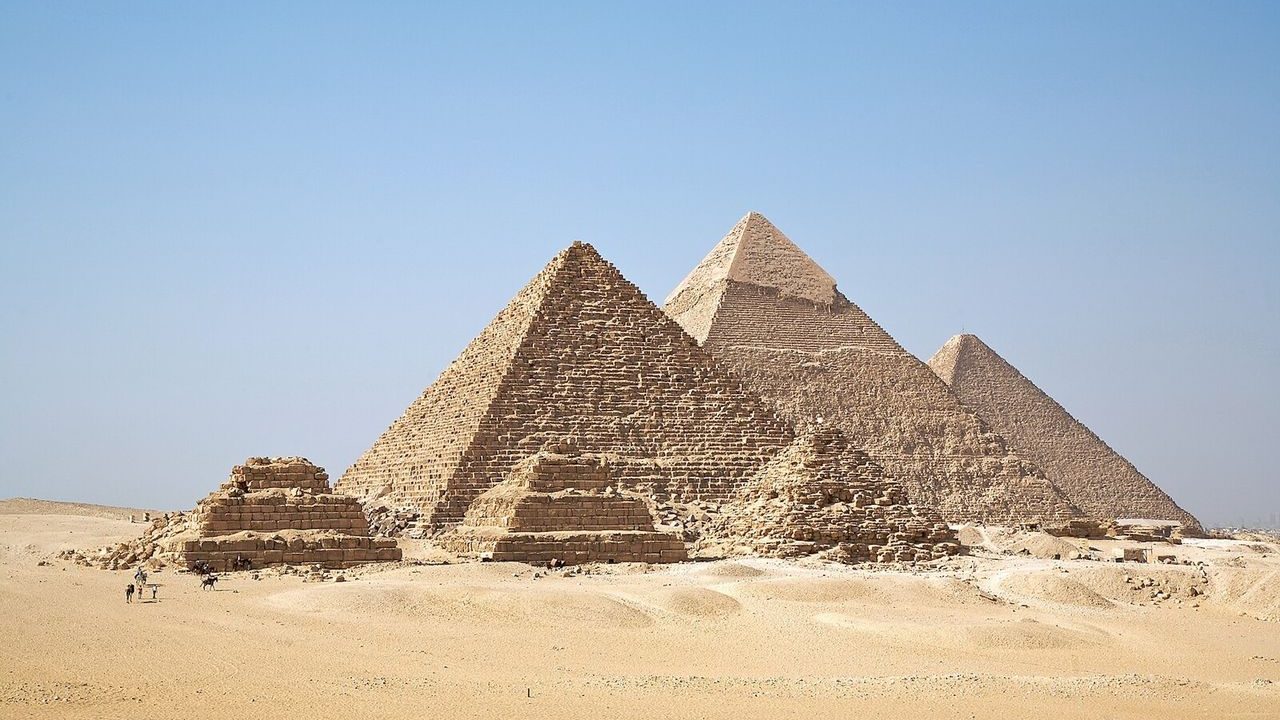
For more than 4,600 years, the Great Pyramid of Giza has stood virtually intact — surviving wars, weather, and the grinding force of earthquakes that have toppled far younger structures. Now, new research is finally explaining how it managed to do that, and the answer points directly to the brilliance of the people who built it.
The pyramid, also known as the Great Pyramid of Khufu, has lost only about 33 feet (10 meters) of height since it was first constructed during Egypt’s Old Kingdom, roughly between 2649 and 2150 B.C. For a structure that has endured millennia of seismic activity — including significant modern earthquakes — that is a remarkable figure. Researchers studying vibrations throughout the pyramid’s structure now believe they understand the architectural secrets behind that extraordinary durability.
The findings suggest this wasn’t luck. Ancient Egyptian builders appear to have understood, through long experience, how to construct a monument that could absorb and redirect the violent energy of an earthquake rather than simply crumbling under it.
What the New Research Actually Found
The study focused on how vibrations move through the pyramid’s massive stone body. What researchers discovered is that specific architectural features work together to dampen seismic movement — particularly toward the top of the structure, where earthquakes tend to do the most damage.
One of the most significant features identified is a series of spaces known as pressure-relieving chambers, located directly above the chamber where the pharaoh Khufu was once laid to rest. These chambers appear to play a key role in absorbing and redirecting energy that would otherwise travel upward through the structure and cause catastrophic damage at its peak.
Study co-author Asem Salama, a geoscientist, noted that the findings highlight what he described as the “extraordinary practical engineering knowledge of ancient Egyptian builders, who developed highly effective construction practices through centuries of experimentation and refinement.”
That framing matters. This wasn’t a civilization that stumbled into a lucky design. The research suggests the builders refined their techniques over generations, arriving at solutions that modern engineers are only now beginning to fully appreciate.
The Earthquakes the Pyramid Has Already Survived
To understand why this research matters, it helps to look at the seismic history the pyramid has already weathered. Egypt is not immune to earthquakes — the region sits near active fault systems, and the historical record includes some notable events centered disturbingly close to the Giza plateau.
| Year | Location | Estimated Magnitude | Notable Impact |
|---|---|---|---|
| 1847 | Fayum (south of Cairo) | 6.8 | Strong earthquake near the Giza region |
| 1992 | Egypt | 5.9 | Knocked some of the pyramid’s topmost stones to the ground |
The 1992 earthquake caused visible damage — toppling stones from the pyramid’s upper section — but the core structure held. The 1847 event, at an estimated magnitude of 6.8, was significantly more powerful and struck south of Cairo in the city of Fayum. The fact that the pyramid emerged from both events without fundamental structural failure speaks directly to what this new research is trying to explain.
Why the Pressure-Relieving Chambers Are the Key
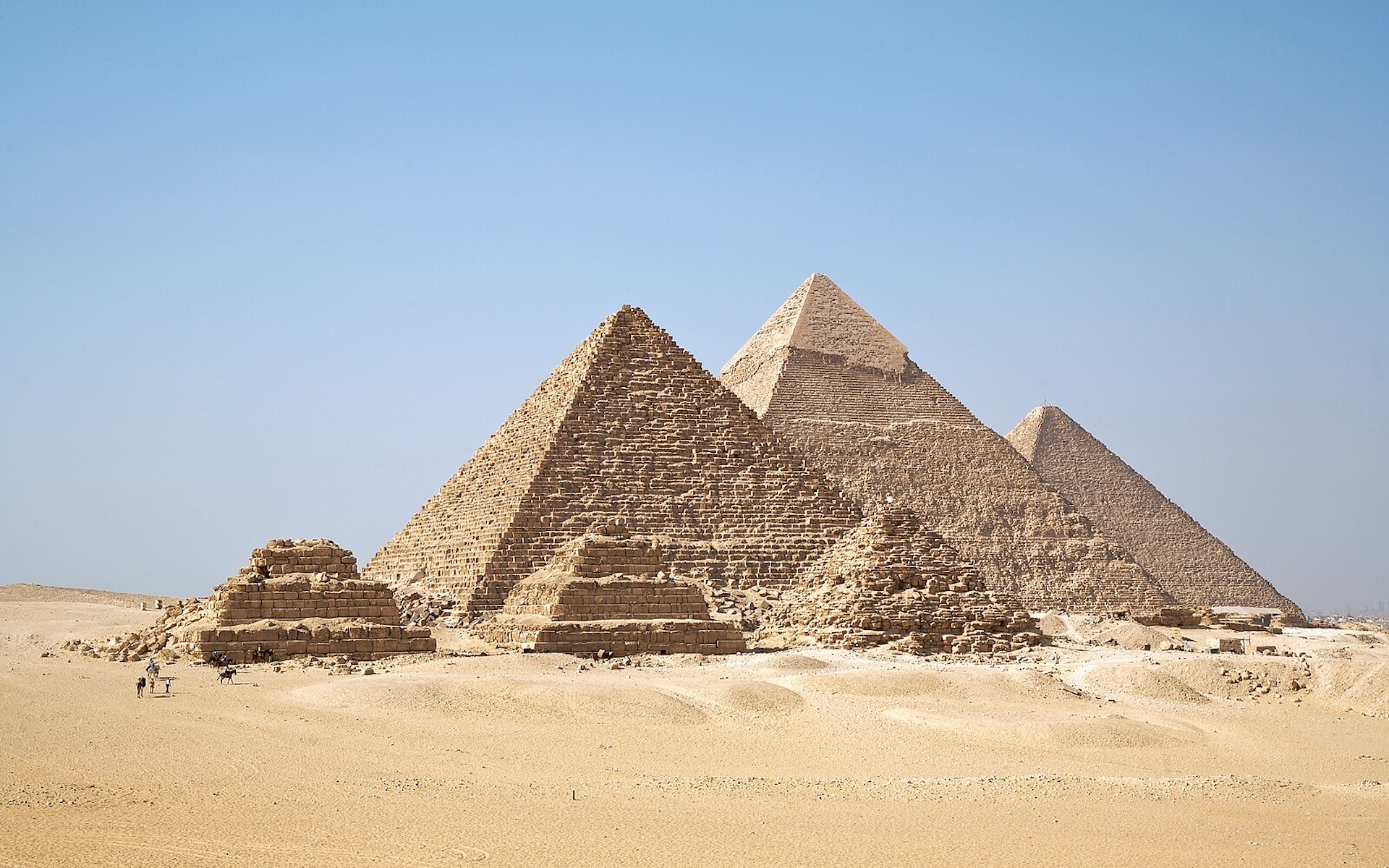
The pressure-relieving chambers above Khufu’s burial chamber aren’t a new discovery — archaeologists have known about them for some time. What’s new is the understanding of how they function dynamically during seismic events.
Rather than allowing vibration to travel straight up through the dense stone mass and amplify as it reaches the narrowing peak, these chambers interrupt that energy transfer. Think of them as a kind of architectural shock absorber built directly into the monument’s core.
The positioning is deliberate. The chambers sit above one of the most structurally sensitive points in the entire pyramid — the royal burial chamber — and their presence appears to protect both that interior space and the sections of the structure above it.
Researchers argue this reflects a level of structural intuition that is genuinely impressive for any era, let alone one predating modern engineering by more than four and a half millennia.
What This Tells Us About Ancient Egyptian Engineering
There’s a tendency to treat ancient construction achievements as mysterious or inexplicable. This research pushes back against that framing. The pyramid’s earthquake resilience wasn’t accidental — it was the product of accumulated knowledge, trial, and refinement across generations of builders.
The study’s findings suggest that ancient Egyptian architects were effectively conducting what we would now call structural engineering, even without the mathematical frameworks modern engineers rely on. They observed what worked, discarded what didn’t, and embedded their solutions into stone on a scale that has lasted longer than almost any other human-made structure on Earth.
That context changes how we should think about these monuments. They are not just tombs or symbols of power. They are, in a very real sense, engineering documents — records of a civilization’s accumulated understanding of how to build something that lasts.
What Comes Next for Pyramid Research
This study adds a significant new dimension to ongoing research into the pyramid’s construction and long-term stability. Understanding the seismic behavior of the structure could also inform future preservation efforts, particularly as climate change and urban development around Cairo continue to place new pressures on the site.
The research also raises questions about other ancient Egyptian structures — whether similar design principles were applied elsewhere, and whether the pressure-relieving chamber concept was unique to Khufu’s pyramid or part of a broader architectural tradition that has yet to be fully mapped.
For now, the Great Pyramid of Giza continues to stand as it has for more than four millennia — a monument not just to ambition, but to the quiet, enduring power of good engineering.
Frequently Asked Questions
How old is the Great Pyramid of Giza?
The Great Pyramid of Giza was built during Egypt’s Old Kingdom, roughly between 2649 and 2150 B.C., making it more than 4,600 years old.
How much height has the Great Pyramid lost over time?
Despite thousands of years of exposure to earthquakes and the elements, the pyramid has lost only about 33 feet (10 meters) of its original height.
What architectural feature helps protect the pyramid from earthquakes?
Researchers identified a series of pressure-relieving chambers above the pharaoh Khufu’s burial chamber as a key feature that dampens seismic vibrations moving upward through the structure.
What is the largest earthquake the pyramid has survived?
Based on 8 struck south of Cairo near Fayum in 1847, and the pyramid withstood it. A 5.9 magnitude earthquake in 1992 knocked some of the topmost stones to the ground but left the core structure intact.
Who conducted this research?
The study was co-authored by Asem Salama, identified as a geoscientist, though the full research team has not been detailed in the available source material.
Does this research change how experts view ancient Egyptian builders?
The study reinforces the view that ancient Egyptian builders possessed sophisticated, practical engineering knowledge developed through centuries of experimentation — not simply instinct or chance.




Leave a Reply