
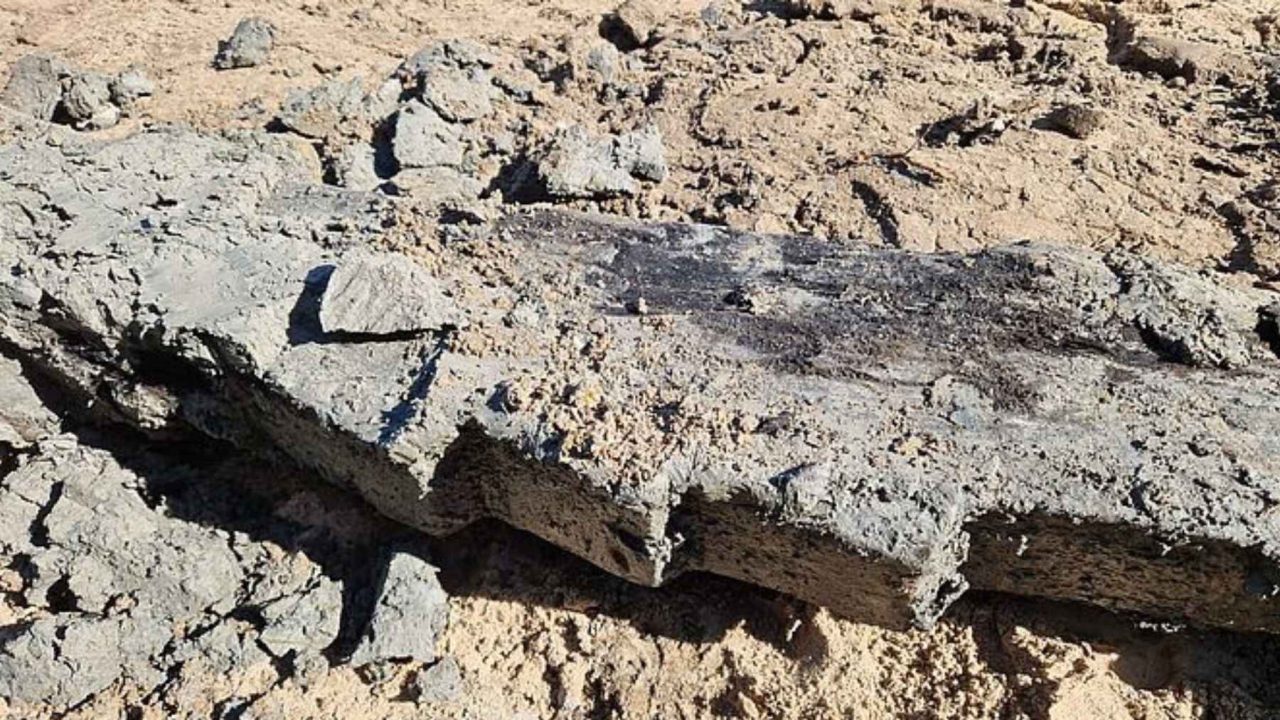
Beneath an ordinary street in the Dutch town of Wijk bij Duurstede, a routine sewer replacement project just became something far more significant. Workers digging through the ground uncovered a large, carefully shaped piece of wood — and specialists believe it may be the remains of a medieval ship.
What makes this find genuinely remarkable isn’t just the object itself. It’s where it was found. The town sits on the site of old Dorestad, one of northern Europe’s most important trading hubs during the early Middle Ages. A ship buried beneath that ground isn’t just an archaeological curiosity — it could be a direct physical link to a world of Viking-era commerce and long-distance trade that historians have pieced together largely from written records and scattered artifacts.
Experts are being careful not to overstate what they know. But they’re not downplaying it either. This discovery, still in its early stages, has the potential to reshape what we understand about how goods, people, and power moved across northern Europe more than a thousand years ago.
How a Sewer Project Became an Archaeological Find
The discovery happened during construction work on the Promenade in Wijk bij Duurstede, where crews were replacing the sewer system and building a new rainwater drainage area. It was the kind of project that happens in towns across Europe every year — unglamorous, functional, largely unnoticed.
What changed everything was a worked wooden beam sticking out of the ground. The beam caught the eye of Danny van Basten, a volunteer with ArcheoTeam Wijk bij Duurstede, who recognized it as something worth a closer look.
Specialists from Museum Dorestad and Stichting Beheer Vikingschip were then called in to examine the timber. Shipbuilder Kees Sterrenburg assessed the object and noted that its shape, cut marks, and notches suggest it may be a ship frame — one of the curved structural ribs that give a vessel its hull shape.
That assessment matters. Ship frames aren’t accidental pieces of wood. They’re precision-cut, purpose-built components. Finding one buried in the ground at this location raises serious questions — and serious possibilities.
Why the Site of Old Dorestad Changes Everything
Dorestad wasn’t just any medieval settlement. During the early Middle Ages, it was one of the largest and most active trading centers in all of northern Europe. Located at the confluence of major waterways, it functioned as a commercial gateway — a place where merchants, goods, and ships converged from across the region.
The town’s significance during the Viking Age makes the discovery especially compelling. Dorestad was known to have had connections to Frankish trade networks and was referenced in historical sources as a place of considerable economic activity. A ship found in its soil could represent direct physical evidence of those networks in action.
Experts currently see two broad possibilities for what this timber represents:
- A vessel connected to Viking-era movement and trade, which would place it within the early medieval period when Dorestad was at the height of its commercial power
- A later cargo vessel from a different chapter of medieval history, which would shift the context considerably but remain historically significant
Determining which of those two possibilities is correct will require further analysis — and that work is still ongoing.
What We Know — and What Remains Uncertain
Here is what has been confirmed versus what is still under investigation:
| Detail | Status |
|---|---|
| Location of discovery | Confirmed — Promenade, Wijk bij Duurstede, Netherlands |
| Context of discovery | Confirmed — sewer replacement and rainwater drainage construction |
| Nature of the object | Confirmed — large, shaped timber with cut marks and notches |
| Possible identification | Assessed by specialists as potentially a ship frame |
| Historical period | Under investigation — could be Viking-era or later medieval |
| Connection to Dorestad trade networks | Possible but not yet confirmed |
| Full extent of the remains | Not yet determined |
The professionals involved — from Museum Dorestad, Stichting Beheer Vikingschip, and the volunteer archaeology group — are approaching the find methodically. That caution is the right call. Premature conclusions about objects like this have led researchers astray before.
The Bigger Picture: What a Medieval Ship Could Tell Us
If the timber is confirmed as part of a ship, and if that ship can be dated to the early medieval period, the implications extend well beyond one town in the Netherlands.
Medieval trade routes across northern Europe are largely reconstructed from written records, coins, and smaller portable artifacts. Physical evidence of the vessels that actually carried goods along those routes is rare. Ships decay. They sink, they’re broken up for parts, they disappear into riverbeds and silted harbors over centuries.
Finding a ship — or even a significant portion of one — at a known major trading site like Dorestad would provide tangible, structural evidence of the maritime technology and commercial infrastructure of the era. It could inform researchers about how ships were built, how large trading vessels were at that time, and potentially where the timber itself originated — which can sometimes be traced through dendrochronology, the science of dating wood by its growth rings.
That kind of information doesn’t just fill in historical gaps. It can genuinely shift how historians understand the scale and sophistication of early medieval commerce in northern Europe.
What Happens Next at the Discovery Site
The immediate priority for specialists will be careful excavation and preservation of the timber. Wood that has been buried for centuries in waterlogged or semi-waterlogged soil can deteriorate rapidly once exposed to air, so how the object is handled in the coming days and weeks is critical.
Beyond preservation, researchers will likely pursue dating analysis to establish when the wood was cut and shaped. That single data point could resolve the core question of whether this object belongs to the Viking Age or to a later period of medieval history.
The involvement of Museum Dorestad and Stichting Beheer Vikingschip suggests the find is being taken seriously at an institutional level. Whether the excavation expands — and whether more of the vessel might still be underground — has not yet been confirmed.
For now, what started as a sewer job has handed archaeologists something they rarely get: an unexpected window into a world that left behind far fewer traces than the people who lived in it probably imagined.
Frequently Asked Questions
Where exactly was the medieval ship discovered?
The timber was found on the Promenade in Wijk bij Duurstede in the Netherlands, during sewer replacement and rainwater drainage construction work.
Who found the wooden beam?
Danny van Basten, a volunteer with ArcheoTeam Wijk bij Duurstede, spotted the worked wooden beam sticking out of the ground during the construction work.
Is it definitely a ship?
Not yet confirmed. Shipbuilder Kees Sterrenburg assessed the shape, cut marks, and notches and suggested it may be a ship frame, but experts are still being cautious about drawing firm conclusions.
How old could the ship be?
Specialists have identified two possibilities — it could date to the Viking era or belong to a later medieval period. Formal dating analysis has not yet been publicly confirmed.
Why does the location make this find significant?
Wijk bij Duurstede sits on the site of old Dorestad, one of northern Europe’s major trading centers during the early Middle Ages, making any ship found there potentially linked to historically important trade networks.
Which organizations are involved in the investigation?
Museum Dorestad and Stichting Beheer Vikingschip were called in to examine the find alongside the volunteer archaeology group ArcheoTeam Wijk bij Duurstede.




Leave a Reply