
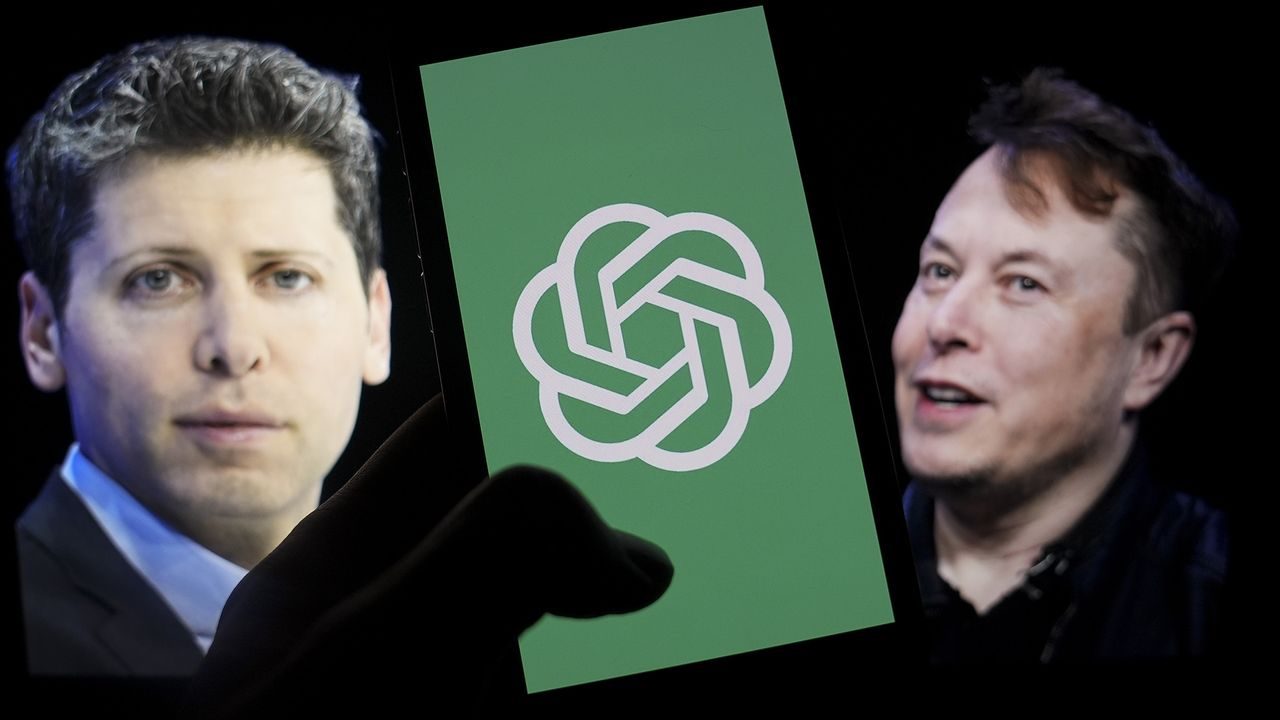
What happens when two of the world’s most powerful tech billionaires — once allies, now bitter rivals — take their feud into a courtroom? The answer, experts believe, could shape the future of artificial intelligence itself.
The legal battle between Elon Musk and Sam Altman is now playing out before a California court, and it is far more than a personal grudge match between two wealthy men. At its core, this case challenges the very soul of how AI is built, funded, and governed — and the outcome could reverberate through the technology sector for years to come.
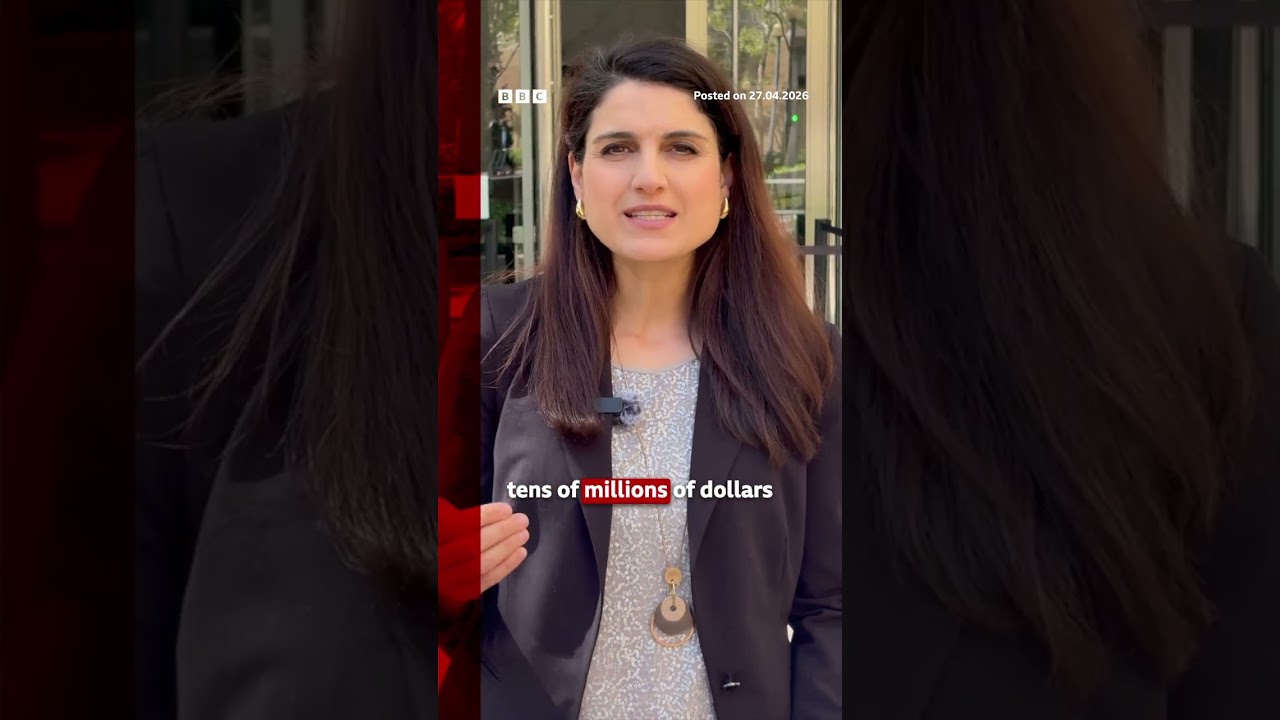
The trial, which kicked off this week, is expected to last roughly three weeks. But the questions it raises are likely to outlast any verdict.
How Two Friends Ended Up in a Courtroom
Musk and Altman were not always enemies. The two co-founded OpenAI together in 2015, alongside Greg Brockman, who served as technical co-founder. The organization was launched as a non-profit with a clear mission: to develop artificial intelligence safely and for the benefit of humanity, not shareholders.
Musk was a significant early backer, contributing approximately $44 million in funding. By his own account from the witness stand this week, his involvement went well beyond writing checks. He testified that he “came up with the idea, the name, recruited the key people, taught them everything I know, provided all of the initial funding.”
Altman became chief executive of OpenAI in 2019. What followed was a gradual but dramatic transformation — the organization shifted from a non-profit to a for-profit enterprise. That shift, Musk argues, is a fundamental betrayal of everything OpenAI was supposed to stand for.
Musk launched the lawsuit in 2024. It names not only Altman and Brockman, but OpenAI itself and Microsoft, the company’s largest financial backer.
What the Musk vs. Altman Lawsuit Actually Argues
The case is, at its heart, a dispute about mission versus money. Musk’s position is that OpenAI was founded on a specific promise — that it would remain a non-profit organization dedicated to safe, open AI development. The conversion to a for-profit model, he contends, breaks that founding agreement.
The defendants — Altman, Brockman, OpenAI, and Microsoft — represent the other side of that argument. OpenAI and its backers have maintained that the structural changes were necessary to raise the capital required to compete in an increasingly expensive AI race.
What makes this case particularly significant is that it isn’t just about who gets what. It asks a broader legal and ethical question: can the founding principles of an AI organization be contractually binding, and what happens when commercial pressures push that organization in a different direction?
The Key Players and What They Stand to Lose
| Name | Role | Position in the Case |
|---|---|---|
| Elon Musk | Co-founder, early funder (~$44M) | Plaintiff |
| Sam Altman | CEO of OpenAI (since 2019) | Defendant |
| Greg Brockman | Technical co-founder, OpenAI president | Defendant |
| OpenAI | AI organization behind ChatGPT | Defendant |
| Microsoft | OpenAI’s largest financial backer | Defendant |
The stakes for each party are enormous. For Musk, this is partly about principle and partly about power — he has his own AI venture and has been openly critical of the direction OpenAI has taken. For Altman and OpenAI, a ruling against them could threaten the organization’s entire commercial structure. For Microsoft, the implications touch billions of dollars in investment and deep integration of OpenAI technology across its product ecosystem.
Why This Trial Could Reshape AI Regulation
Beyond the personalities involved, experts believe the legal battle could have lasting consequences for how artificial intelligence is regulated in the United States and beyond.
The case forces courts to grapple with questions that lawmakers have largely avoided: What obligations do AI companies have to their founding missions? Can a non-profit AI organization ethically transition into a commercial enterprise? And who has the legal standing to hold powerful AI developers accountable?
These are not abstract questions. The answers could set precedents that affect every AI company currently navigating the tension between public-interest goals and investor expectations. As AI becomes more embedded in daily life — through tools like ChatGPT, which OpenAI launched to global prominence — the governance structures behind these systems matter enormously.
Critics of OpenAI’s transformation argue that the shift to a for-profit model concentrates power in the hands of investors rather than the broader public. Supporters counter that without commercial investment, the research needed to develop safe and capable AI simply cannot be funded at the necessary scale.
What Happens After the Three-Week Trial
The trial is expected to run for approximately three weeks in California. Whatever verdict emerges, the ripple effects are likely to extend far beyond the courtroom.
If the court sides with Musk, it could place real legal constraints on how AI companies are allowed to restructure themselves — and potentially open the door to challenges against other organizations that have shifted away from non-profit or open-access models. It could also embolden regulators who have been watching the AI industry’s rapid commercialization with growing unease.
If the court sides with Altman and OpenAI, it would effectively affirm that tech organizations have broad freedom to evolve their structures in response to market conditions — even when those changes conflict with their founding principles.
Either way, the AI industry is watching closely. This is not just a fight between two feuding billionaires. It is a proxy battle over what kind of future artificial intelligence will build — and who gets to decide.
Frequently Asked Questions
When did Elon Musk and Sam Altman co-found OpenAI?
Musk and Altman co-founded OpenAI in 2015, along with Greg Brockman, who served as technical co-founder.
How much money did Elon Musk contribute to OpenAI?
According to
What is the Musk vs. Altman lawsuit about?
The lawsuit centers on OpenAI’s transition from a non-profit organization to a for-profit enterprise, which Musk argues betrays the company’s founding mission.
Who are the defendants in the case?
The defendants include Sam Altman, Greg Brockman, OpenAI itself, and Microsoft, which is OpenAI’s largest financial backer.
How long is the trial expected to last?
The trial is expected to last approximately three weeks, having kicked off in California this week.
Could this case affect AI regulation more broadly?
Experts believe it could — the outcome may set legal precedents that shape how AI companies are governed and what obligations they have to their founding principles.



Leave a Reply