
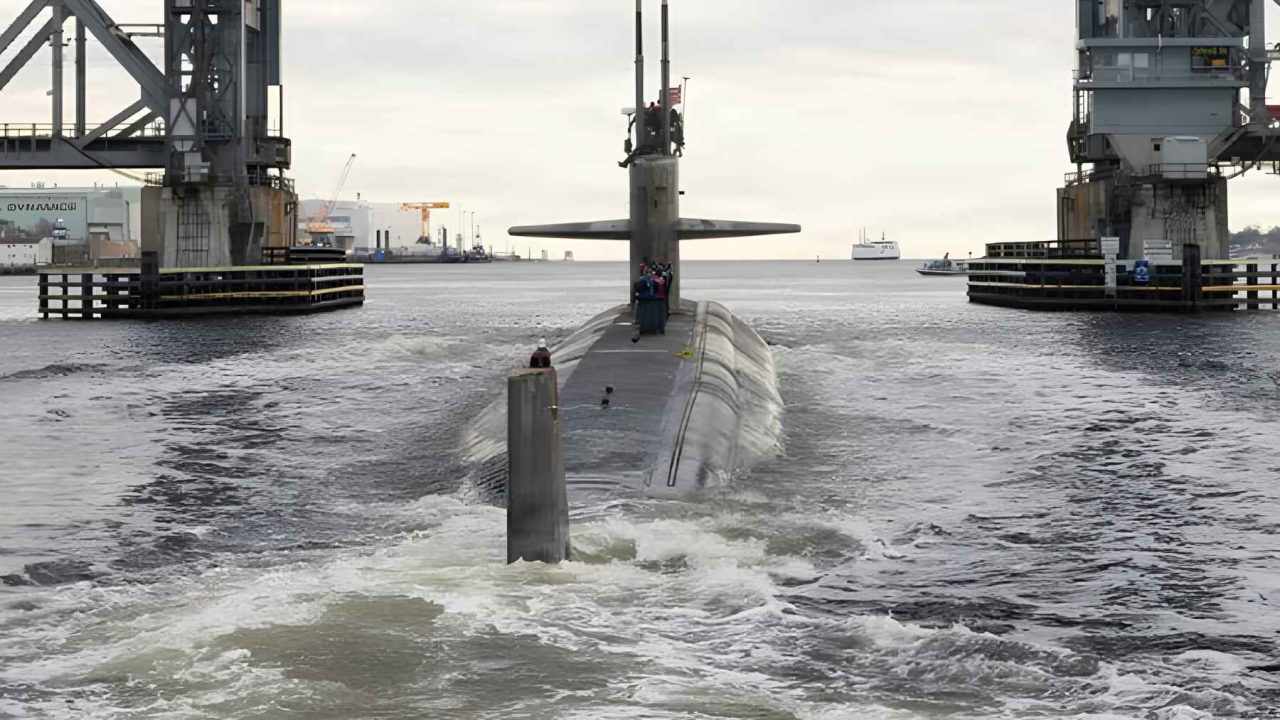
Fourteen U.S. Navy ships are being removed from active service in fiscal year 2026 — and the number alone barely tells the story. What matters more is what the vessels being retired reveal about the direction the Navy is heading, and what happens to aging, hazardous, and in some cases nuclear-powered hardware once the farewell ceremonies are over.
The official count grew from early budget estimates of 13 ships to 14 after the Navy released an updated administrative message, NAVADMIN 099/26, which superseded earlier guidance. The list spans a striking range of vessel types: submarines, cruisers, an amphibious landing ship, a littoral combat ship, oilers, cargo ships, and additional support vessels. That variety is not accidental — it reflects a deliberate effort to reshape the fleet, not simply clear out the oldest hardware.
For the Navy, the framing is straightforward: modernization. For everyone watching from the outside, the questions are harder. What does retiring this many ships at once say about where the fleet is going? And what actually happens to these vessels after they leave service?
What NAVADMIN 099/26 Actually Says
The Department of the Navy’s fiscal 2026 budget materials initially flagged 13 decommissionings, citing ships that had either reached the end of their expected service lives or were being retired early because the cost of keeping them operational had become difficult to justify. The updated administrative message revised that figure upward to 14 vessels marked for inactivation.
The ships named in the updated list include: USS Newport News, USS Alexandria, USS Georgia, USS Shiloh, USS Lake Erie, USS Fort Worth, USS Germantown, USNS Red Cloud, USNS Watkins, USNS Pomeroy, and USNS VADM K. R. Wheeler, among others.
The mix is telling. You have attack submarines alongside guided-missile cruisers. A littoral combat ship — a vessel class that has already faced serious criticism over cost and reliability — sits on the same list as oilers and cargo ships that handle the unglamorous but essential work of keeping the fleet supplied at sea.
The Ships Being Retired in Fiscal 2026
| Ship Name | Type |
|---|---|
| USS Newport News | Submarine |
| USS Alexandria | Submarine |
| USS Georgia | Submarine |
| USS Shiloh | Cruiser |
| USS Lake Erie | Cruiser |
| USS Fort Worth | Littoral Combat Ship |
| USS Germantown | Amphibious Landing Ship |
| USNS Red Cloud | Cargo/Support Vessel |
| USNS Watkins | Cargo/Support Vessel |
| USNS Pomeroy | Cargo/Support Vessel |
| USNS VADM K. R. Wheeler | Support Vessel |
| Additional vessels | Various (per NAVADMIN 099/26) |
The Part of This Story Most Reports Are Missing
Retirement ceremonies are clean, dignified events. What comes after them is considerably more complicated.
These vessels carry with them decades of accumulated material challenges: aging steel, old fuel systems, hazardous materials, and reusable equipment that needs to be carefully extracted before disposal begins. For nuclear-powered vessels — and several submarines are on this list — the process is even more demanding, requiring specialized handling that goes well beyond what a conventional ship scrapping operation involves.
Officials have noted that the real story of a ship’s retirement begins after the flags come down. The Navy’s decommissioning pipeline has to manage not just the logistics of removing vessels from active service, but the environmental and safety obligations that come with dismantling hardware built decades ago under different standards. Getting that process wrong doesn’t just create a waste problem — it creates a liability that outlasts the ship itself.
Hazardous materials, nuclear components, and old fuel systems don’t disappear because a ship is no longer commissioned. They have to go somewhere, and how they’re handled is a genuine question of public and environmental concern.
Why the Fleet’s Direction Is the Real Concern
Retiring 14 ships in a single fiscal year is not unprecedented for the U.S. Navy, but the composition of this particular list raises questions that go beyond simple fleet management.
Cruisers like USS Shiloh and USS Lake Erie represent a class of warship the Navy has been slowly stepping away from for years. Their retirement accelerates a shift away from large surface combatants that were designed for a Cold War-era threat environment. The inclusion of a littoral combat ship — USS Fort Worth — continues a pattern of the Navy walking back its investment in a vessel class that was supposed to represent the future of coastal and shallow-water operations but delivered mixed results in practice.
At the same time, retiring multiple submarines in a single year is notable. Submarines are among the most strategically valuable assets in the fleet, and the timing of their removal from service relative to the delivery of replacement vessels matters enormously. Officials have described the broader decommissioning wave as part of a modernization push, but critics of such moves argue that reducing current capability before next-generation systems are fully operational creates real gaps in readiness.
Support vessels — the oilers and cargo ships on the USNS side of the list — are easy to overlook, but their role in sustaining fleet operations at sea is fundamental. A Navy that loses logistical capacity loses reach, regardless of how capable its combat vessels are.
What Happens Next for These Vessels
Once inactivation is formally completed, each vessel follows a path determined by its type, condition, and the materials it carries. Conventional ships may be transferred, sold for scrapping, used as artificial reefs, or retained as training hulks depending on their condition. Nuclear-powered submarines require a separate and far more involved process managed by specialized Navy facilities.
The fiscal 2026 schedule is now confirmed at 14 vessels following the release of NAVADMIN 099/26. The full administrative message supersedes earlier Navy guidance and represents the current official record. How quickly each vessel moves through the post-decommissioning pipeline will depend on resources, facility availability, and the complexity of what each ship carries.
For those watching the broader trajectory of American sea power, the list is worth paying attention to — not because losing 14 ships is a crisis in isolation, but because of what it signals about which capabilities the Navy is choosing to move away from, and how carefully the transition is being managed.
Frequently Asked Questions
How many U.S. Navy ships are being decommissioned in fiscal year 2026?
The latest official count, per NAVADMIN 099/26, is 14 ships — up from the initial budget estimate of 13.
Which ships are on the fiscal 2026 decommissioning list?
Named vessels include USS Newport News, USS Alexandria, USS Georgia, USS Shiloh, USS Lake Erie, USS Fort Worth, USS Germantown, USNS Red Cloud, USNS Watkins, USNS Pomeroy, and USNS VADM K. R. Wheeler, among others listed in the full administrative message.
Why is the Navy retiring so many ships at once?
Officials have described the move as part of a broader modernization effort, with ships being retired either at the end of their service lives or because maintaining them had become costly.
What happens to nuclear-powered submarines after decommissioning?
Nuclear vessels require specialized handling distinct from conventional ship disposal, due to the hazardous and radioactive materials involved — though specific facility details were not confirmed in
Is retiring 14 ships a sign the U.S. Navy is getting smaller?
The Navy frames the retirements as modernization rather than reduction, though the gap between retiring existing vessels and fielding replacements is a concern that observers have raised based on the vessel types involved.
What environmental concerns come with decommissioning these ships?



Leave a Reply