
A place called “Corpse Point” holds the remains of hundreds of whalers who died at the edge of the known world — and now, centuries later, climate change is erasing the evidence of their lives before scientists can fully read it.
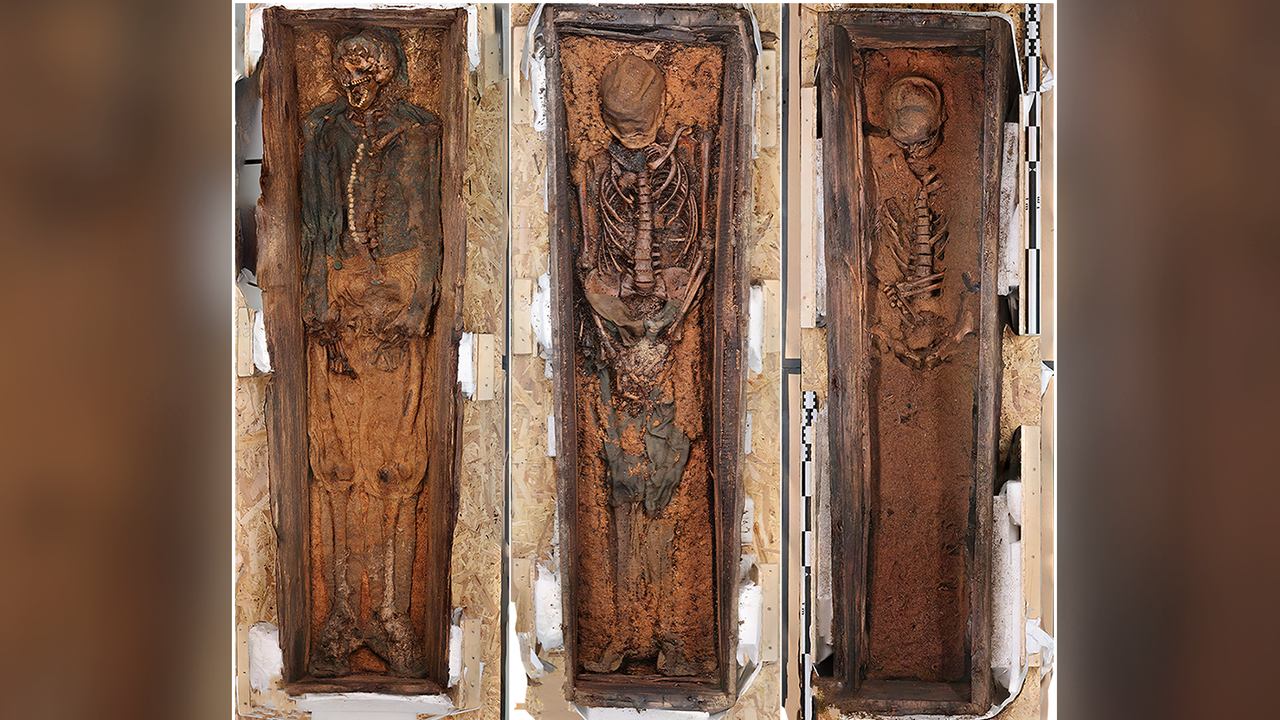
On the remote Norwegian archipelago of Svalbard, halfway between the North Pole and the northern coast of Norway, archaeologists are working against the clock at a site called Likneset — a name that translates directly to “Corpse Point.” It is the largest known whaling burial site in the High Arctic, and the stories buried there are only now beginning to come to light.
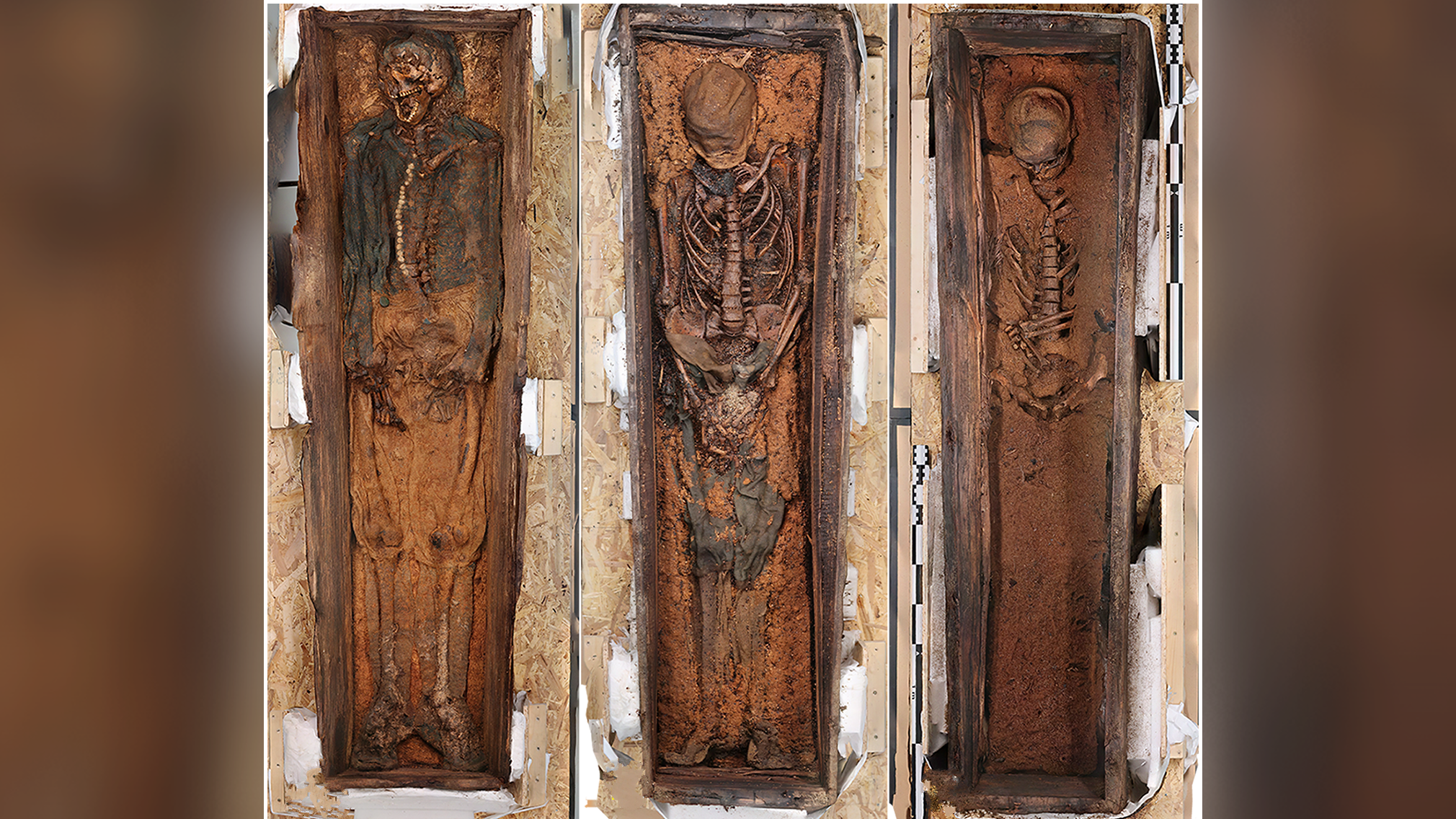
A study published on May 20, 2025, in the journal PLOS One examined 20 burials from the site and found that the men interred there endured short, grueling lives marked by brutal physical labor and disease. The findings offer a rare window into one of Europe’s earliest large-scale industrial operations — and a warning that the window may not stay open much longer.
What Archaeologists Found at Likneset
The cemetery at Likneset dates to the 17th and 18th centuries, a period when Arctic whaling was booming across northern Europe. Hundreds of shallow graves, each marked with stone cairns, have been identified at the site. The men buried there were part of an industry that sent crews into some of the most hostile waters on Earth in pursuit of whales for their oil and other products.
The new research, led by study first author Lise Loktu, an archaeologist at the Norwegian Institute, examined 20 of those burials in detail. What emerged was a portrait of lives defined by hardship from beginning to end.
The skeletal remains showed clear signs of scurvy, the vitamin C deficiency disease that devastated sailors and laborers throughout the age of exploration. Extended voyages with limited access to fresh food made scurvy a constant threat, and the evidence found at Likneset confirms it claimed some of these whalers before they ever made it home.
Beyond disease, the bones reflected the toll of the work itself. Early modern Arctic whaling was described by the researchers as one of Europe’s first large-scale extractive industries, and the labor was highly manual. Processing a whale required enormous physical effort — hauling, cutting, boiling blubber — performed in freezing conditions with limited tools and no modern safety protections.
What the Evidence Tells Us About These Men’s Lives
The 20 burials examined in the study paint a consistent picture. These were not men who lived long or comfortably. The physical markers left on their skeletons speak to years of repetitive, strenuous work and the consequences of poor nutrition at sea.
| Detail | Finding |
|---|---|
| Site name | Likneset (“Corpse Point”), Svalbard |
| Location | Norwegian archipelago, halfway between the North Pole and northern Norway |
| Cemetery period | 17th to 18th century |
| Total graves identified | Hundreds of shallow graves marked with stone cairns |
| Burials examined in study | 20 |
| Key health findings | Evidence of scurvy; signs of extensive physical labor |
| Study published | May 20, 2025, in PLOS One |
| Lead researcher | Lise Loktu, Norwegian Institute |
The graves themselves are simple — shallow depressions in the Arctic ground, marked by stones rather than formal monuments. These were working men, not wealthy merchants or ship captains. Their burials reflect their status: practical, unadorned, and far from home.
Why Climate Change Is Making This a Race Against Time
The urgency behind this research is not just academic. The burial site at Likneset is disappearing.
Arctic environments are warming at a rate significantly faster than the global average. As permafrost thaws and coastal erosion accelerates, sites like Likneset face physical destruction. The shallow graves — already vulnerable by nature of how they were constructed — are particularly at risk. Bones and artifacts that survived for four centuries in frozen ground can deteriorate rapidly once that ground begins to shift and melt.
The researchers made clear in the study that these burials are at risk of disintegrating due to climate change, and that archaeological excavations at the site represent a direct race against environmental loss. Every season of delay potentially means fewer burials left to study.
This is a problem playing out across the Arctic. Archaeological sites from Siberia to Alaska to northern Canada are facing similar threats as the climate shifts. What makes Likneset particularly significant is its scale — as the largest whaling burial site on Svalbard, it holds irreplaceable information about a formative period in European economic and maritime history.
Why This Chapter of History Matters Beyond the Graves
Early Arctic whaling was not a minor footnote. Researchers describe it as one of Europe’s first large-scale extractive industries — a precursor to the industrial resource extraction that would define the centuries that followed. The men who worked these voyages were, in a sense, early industrial laborers, operating at the frontier of a global trade system that was just beginning to take shape.
Understanding how they lived, how they suffered, and how they died adds important human texture to a period that tends to be remembered in terms of economics and exploration rather than individual experience. The bones at Likneset are a direct record of what that industry actually cost the people who made it run.
The scurvy evidence is particularly telling. It was a known risk, a preventable disease even by the standards of the era if fresh food was available — and yet these men died from it anyway. That detail alone says something significant about how workers were valued in early modern industry.
What Comes Next for the Likneset Site
The publication of this study is a step forward, but the work at Likneset is ongoing. With hundreds of graves still unexamined and the site actively eroding, researchers face decisions about how to prioritize excavations and what can realistically be preserved or documented before conditions deteriorate further.
The findings from the 20 burials already studied will help inform those decisions, establishing what kinds of evidence survive and what questions the site can answer. Future excavations may expand the picture of who these men were — where they came from, how old they were when they died, and what the full range of health conditions looked like across the cemetery.
What is certain is that the window is closing. The Arctic is not waiting for the research to catch up.
Frequently Asked Questions
Where is Likneset, and what does the name mean?
Likneset is located on Svalbard, a Norwegian archipelago situated halfway between the North Pole and the northern coast of Norway. The name translates to “Corpse Point” in Norwegian.
How many graves are at the Likneset whaling burial site?
Hundreds of shallow graves marked with stone cairns have been found at the site, which dates to the 17th and 18th centuries. The new study examined 20 of those burials in detail.
What diseases did the whalers buried at Likneset suffer from?
The skeletal remains showed evidence of scurvy, a disease caused by vitamin C deficiency that was common among sailors and workers on extended voyages with limited access to fresh food.
Why is the burial site at risk?
Climate change is accelerating permafrost thaw and coastal erosion in the Arctic, putting the shallow graves at Likneset at risk of physical disintegration. Researchers have described ongoing excavations as a race against environmental loss.
Who led the research published in PLOS One?
The study was led by Lise Loktu, an archaeologist at the Norwegian Institute, and was published on May 20, 2025.
Why is early Arctic whaling considered historically significant?
Researchers describe early modern Arctic whaling as one of Europe’s first large-scale extractive industries, making it a formative chapter in the history of industrial labor and global trade.



Leave a Reply