
A routine biopsy procedure triggered something doctors almost never see: a cancerous tumor that appeared to shrink and disappear on its own. The case, documented in a published medical report, has reignited scientific interest in one of oncology’s most puzzling phenomena — spontaneous regression of soft tissue sarcoma.
The patient was a 59-year-old woman in Wisconsin who noticed a rapidly growing mass in her right arm. What followed was a diagnostic journey that ended in a result so unusual, researchers felt compelled to document it in the medical literature and conduct a systematic review of similar cases.
Sarcomas are already rare — accounting for only about 1% of all cancer diagnoses. A sarcoma that regresses on its own, apparently triggered by a biopsy needle, is rarer still. This case raises real questions about what the immune system is capable of doing, and what doctors might be missing about the biology of certain tumors.
How the Tumor Was Discovered and What Doctors Found
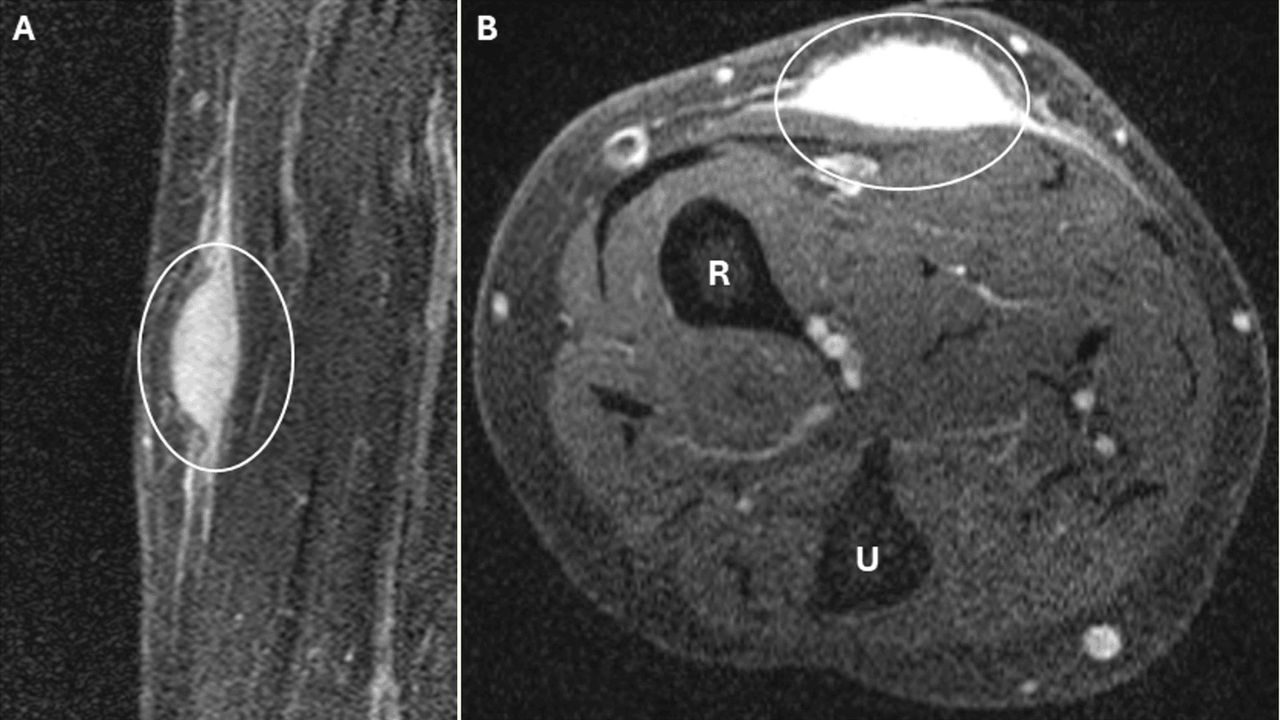
When the woman sought medical care, doctors examined her right forearm and found a firm mass measuring approximately 0.8 by 0.8 inches — or 2 by 2 centimeters. It was visible on an X-ray, and on MRI imaging it appeared as a bright white, roughly oval-shaped lump just beneath the skin.
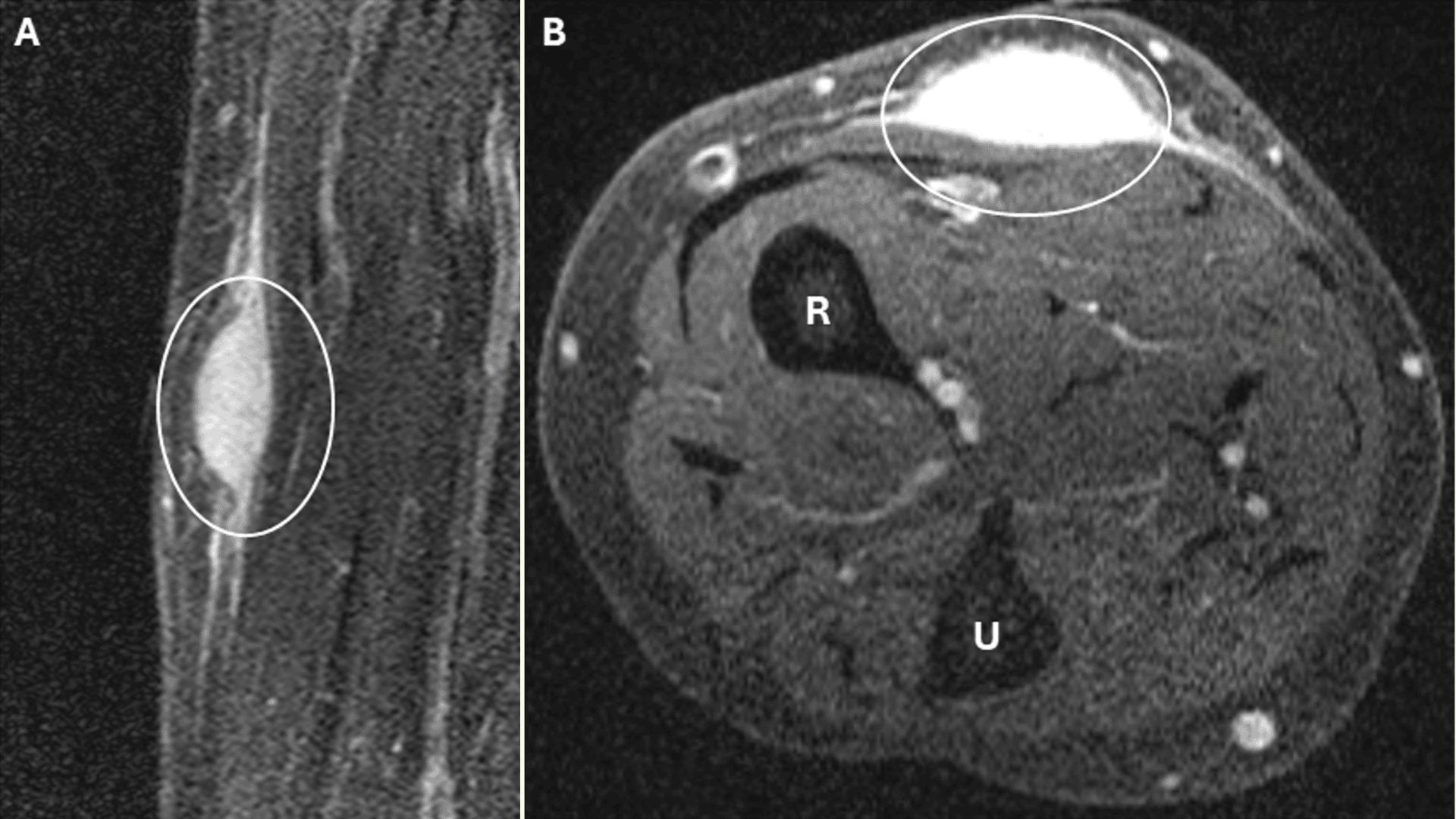
That MRI appearance raised immediate concern. The imaging characteristics were consistent with a sarcoma — a category of cancer that originates in soft tissues like muscle, fat, and cartilage, or in bone. Sarcomas are not common, but when they do appear, they can be aggressive and are typically treated with surgery, radiation, or chemotherapy.
To get a definitive diagnosis, physicians performed two types of biopsies. The first was a core needle biopsy, which uses a small hollow tube inserted into the tissue to extract a physical sample. The second involved fine needle aspirates — a technique using a smaller needle and syringe to collect cells and fluid from the mass.
What the biopsy analysis revealed confirmed the clinical suspicion. But what happened after the biopsy is what made this case extraordinary.
What Makes Spontaneous Tumor Regression So Rare
Spontaneous regression — when a tumor shrinks or disappears without conventional treatment — is one of the most debated and least understood events in cancer medicine. It has been observed across different cancer types over the decades, but documented cases remain exceptionally scarce, particularly in soft tissue sarcomas.
The prevailing theory in cases like this one is that the biopsy itself may have triggered an immune response. Introducing a needle into tumor tissue can cause localized trauma, bleeding, and inflammation. In some patients, that disruption appears to alert the immune system in a way that prompts it to attack the tumor cells — something it had apparently failed to do before the procedure.
Researchers who documented this Wisconsin case also conducted a systematic review of the existing medical literature, examining other reported instances of soft tissue sarcoma regression following biopsy. The published case report was released in April 2026 in the journal Cureus.
Key Facts From This Case at a Glance
| Detail | Information |
|---|---|
| Patient | 59-year-old woman, Wisconsin |
| Presenting symptom | Rapidly growing mass in the right arm |
| Mass size on examination | 0.8 × 0.8 inches (2 × 2 centimeters) |
| Mass characteristics | Firm to the touch; bright white, oval-shaped on MRI |
| Location of mass | Right forearm, just under the skin |
| Biopsy methods used | Core needle biopsy and fine needle aspirates |
| Suspected diagnosis | Soft tissue sarcoma |
| Sarcoma frequency | Approximately 1% of all cancer diagnoses |
| Published report date | April 15, 2026, in Cureus |
- The mass was visible on both X-ray and MRI imaging before biopsy
- Two separate biopsy techniques were used to collect tissue samples
- The case was accompanied by a systematic review of similar documented cases in the medical literature
- Sarcomas originate in soft tissues including cartilage, fat, and muscle — or in bone
Why This Case Matters Beyond One Patient’s Experience
For most people, a cancer diagnosis leads to a clear, if difficult, treatment path. Surgery, chemotherapy, radiation — the options are well established. But cases like this one suggest the immune system may sometimes do something that medicine cannot yet reliably replicate or predict.
The significance isn’t that patients should avoid biopsies or hope for spontaneous regression. That would be a dangerous misreading of a single unusual case. The significance is what it might reveal about tumor immunology — specifically, why some tumors evade immune detection for months or years, and what conditions might cause that evasion to suddenly fail.
Medical researchers have long sought to harness the immune system against cancer, which is the foundation of the rapidly growing field of immunotherapy. Documented cases of spontaneous regression, while rare, provide real-world examples of the immune system doing exactly what immunotherapy drugs are designed to do — and studying them can offer clues about how to trigger that response more deliberately.
For patients diagnosed with soft tissue sarcomas, this case is a reminder that these tumors — though rare and often serious — are not uniformly predictable in their behavior.
What Researchers Are Examining Going Forward
The authors of the published report did not simply document one unusual outcome. They also conducted a systematic review of the broader medical literature, pulling together previously reported cases of soft tissue sarcoma regression following biopsy. That kind of aggregated analysis is important because individual case reports, by themselves, can only suggest a pattern — not confirm one.
The hope is that by cataloguing these rare events, researchers can identify common factors: tumor type, patient immune profile, biopsy method, or other variables that might explain why regression occurs in some patients and not others.
Whether this line of research eventually informs treatment protocols remains to be seen. For now, the Wisconsin case stands as a documented medical curiosity — and a genuine reminder that the human body can still surprise the people who study it most closely.
Frequently Asked Questions
What is a soft tissue sarcoma?
A soft tissue sarcoma is a type of cancer that begins in soft tissues such as muscle, fat, cartilage, or other connective tissues, and accounts for roughly 1% of all cancer diagnoses.
What caused the tumor to regress in this case?
The exact mechanism has not been confirmed, but researchers suspect the biopsy procedure may have triggered an immune response that attacked the tumor.
What biopsy methods were used on the Wisconsin patient?
Doctors performed a core needle biopsy, which extracts a tissue sample using a hollow tube, and fine needle aspirates, which collect cells and fluid using a smaller needle and syringe.
How rare is spontaneous tumor regression?
Spontaneous regression is considered extremely rare across all cancer types, and documented cases involving soft tissue sarcoma following biopsy are particularly uncommon.
Where was this case published?
The case report and accompanying systematic literature review were published on April 15, 2026, in the peer-reviewed journal Cureus.
Should patients avoid biopsies to trigger tumor regression?
No — this was a single documented case and spontaneous regression cannot be predicted or reliably induced; biopsies remain a standard and necessary diagnostic tool.




Leave a Reply