
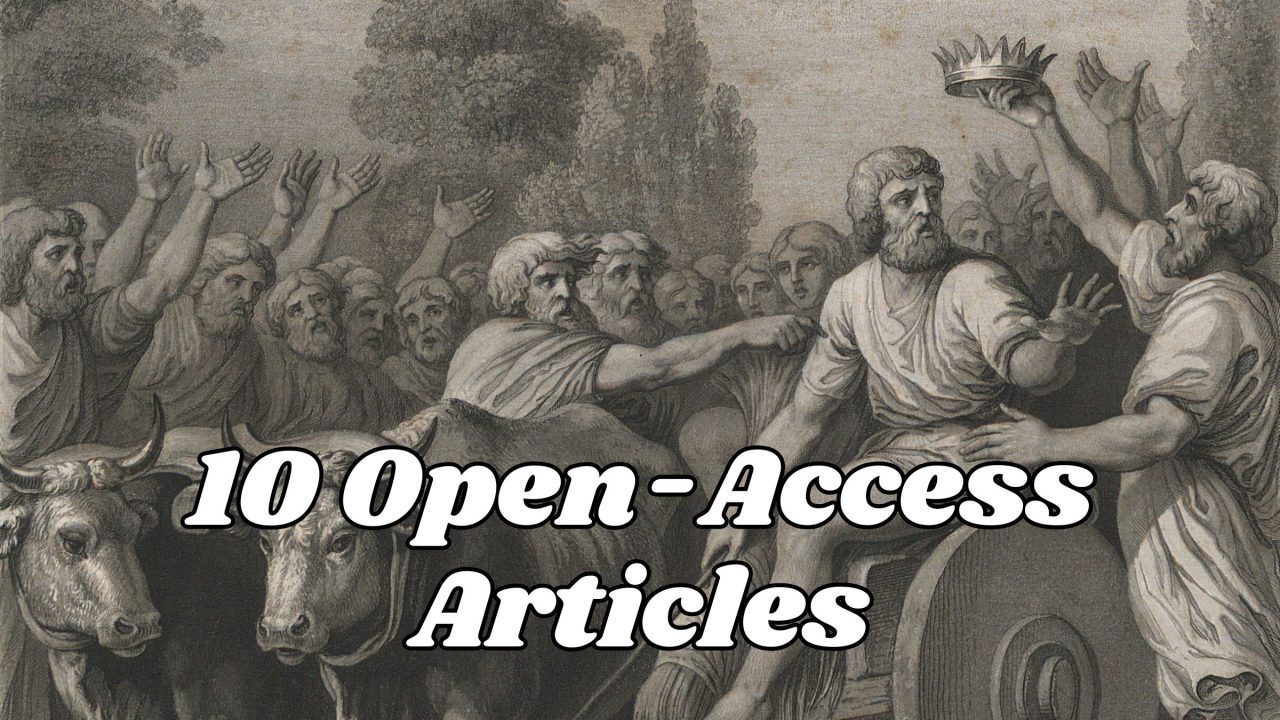
More than 70 open-access medieval studies articles were published in April 2026 — and researchers are now using DNA, archaeology, and even the science of smell to rewrite what we thought we knew about the Middle Ages.
That figure comes from Medievalists.net, which tracked the month’s scholarly output and highlighted ten standout studies available to read without a paywall. The range is striking: from the genetic origins of a Polish royal dynasty to a Viking ship burial that may rewrite the timeline of Scandinavian funeral traditions.
Whether you’re a history enthusiast or a casual reader curious about how the medieval world actually worked, these studies offer some genuinely surprising answers.
Why Open-Access Medieval Research Matters Right Now
Academic research has historically sat behind expensive paywalls, making it inaccessible to anyone outside a university library. The growing open-access movement is changing that — and medieval studies is one field benefiting significantly.
April 2026’s output, as catalogued by Medievalists.net, spans literature, religion, warfare, manuscripts, trade, kingship, and archaeology. The ten highlighted studies represent just a fraction of what was published, but they give a clear picture of where the field is heading: toward harder scientific evidence, cross-disciplinary methods, and questions that challenge long-held assumptions about early European history.
Two studies in particular are drawing attention for the scale of their findings.
The Medieval Studies Articles Generating the Most Buzz
The first is a genetic study of the Piast dynasty, published in Nature Communications. The Piasts were the ruling family that shaped the early Polish kingdom, and this research used archaeogenomics — the analysis of ancient DNA — to investigate their origins.
Researchers examined remains from Piast burial sites across Poland, successfully identifying several individuals as members of the dynasty and tracing both their paternal and maternal lineages. The findings suggest the Piasts may have had non-local origins, adding significant new evidence to ongoing debates about state formation in tenth-century East-Central Europe.
The study was authored by Michal Zenczak, Luiza Handschuh, Małgorzata Marcinkowska-Swojak, and additional co-authors, and represents one of the most detailed genetic genealogies of any medieval European royal family to date.
The second high-profile study focuses on a large burial mound on the island of Leka in Norway — known as the Herlaugshaugen ship burial. Long associated with Herlaug, a legendary pre-Viking king, the site was excavated in 2023. The research, published in Antiquity, examines what these findings reveal about the relationship between East Anglian and Scandinavian ship burial traditions — potentially closing a significant gap between the two.
That study was authored by Geir Grønnesby, Hanne Bryn, Lars Forseth, Bente Philippsen, Knut Paasche, Christian Løchsen Rødsrud, and Arne Abel Stamnes.
A Snapshot of April 2026’s Open-Access Medieval Research
Here’s a structured look at the two most detailed studies confirmed in
Beyond these two, the broader list of April’s open-access articles covers topics including:
- Medieval trade networks
- Concepts of kingship
- Archaeological discoveries
- The history of medieval smells
- Literature, religion, and warfare
- Manuscript studies
What These Findings Mean for How We Understand Early Europe
The Piast dynasty study is particularly significant for historians of Central and Eastern Europe. If DNA evidence continues to support the theory that the Piasts had non-local origins, it raises deeper questions about who founded the Polish state, where they came from, and how early medieval kingdoms were actually built — often by mobile, interconnected elites rather than settled local populations.
The Herlaugshaugen findings matter for a different reason. Ship burials are among the most dramatic and studied forms of early medieval ritual, and the connection between Scandinavian and East Anglian traditions — think Sutton Hoo — has long been theorized but difficult to pin down with hard archaeological evidence. Excavations at Leka in 2023 appear to be adding weight to that connection.
Together, these studies reflect a broader shift in medieval scholarship: away from purely textual analysis and toward scientific methods that can produce concrete, testable results.
How to Access These Articles Yourself
All ten highlighted articles are freely available online — no subscription or university login required. Medievalists.net provides direct links to each study, making them accessible to anyone with an internet connection.
For readers who want the full list of more than 70 open-access articles published in April 2026, Medievalists.net notes that Patreon supporters can access the complete catalogue, which includes research across literature, religion, warfare, manuscripts, and additional topics not covered in the public highlights.
The site publishes these monthly roundups regularly, making it a useful bookmark for anyone trying to follow medieval research without navigating academic databases.
Frequently Asked Questions
How many open-access medieval studies articles were published in April 2026?
Medievalists.net tracked more than 70 open-access medieval studies articles published in April 2026, with ten highlighted publicly and the full list available to Patreon supporters.
What did the Piast dynasty DNA study find?
The study, published in Nature Communications, used archaeogenomics to examine remains from Piast burial sites across Poland. Researchers identified several individuals as dynasty members and found evidence suggesting the Piasts may have had non-local origins.
What is the Herlaugshaugen ship burial?
It is a large burial mound on the island of Leka in Norway, long associated with a legendary pre-Viking king named Herlaug. Excavations conducted in 2023 are the subject of a new study published in Antiquity.
What topics does the full April 2026 medieval studies list cover?
According to Medievalists.net, the full list includes research on literature, religion, warfare, manuscripts, trade, kingship, archaeology, and more.
Do I need a subscription to read these articles?
No. All articles highlighted by Medievalists.net are open-access, meaning they are freely available to read online without a paywall or university login.
Where can I find the complete list of April 2026 open-access medieval articles?
The full list of more than 70 articles is available to Patreon supporters of Medievalists.net, while the ten highlighted studies are publicly accessible through the site.

Leave a Reply